 MyDogBreeds
 Gully Terrier is originated from India but Alapaha Blue Blood Bulldog is originated from United States. Both Gully Terrier and Alapaha Blue Blood Bulldog are having almost same height. Gully Terrier may weigh 12 kg / 26 pounds lesser than Alapaha Blue Blood Bulldog. Both Gully Terrier and Alapaha Blue Blood Bulldog has same life span. Both Gully Terrier and Alapaha Blue Blood Bulldog has same litter size. Both Gully Terrier and Alapaha Blue Blood Bulldog requires Moderate maintenance.
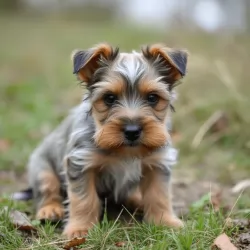 The Gully Terrier originated in India as a street dog, a mix of indigenous Indian Pariah Dogs and bully breeds like Pit Bulls and American Bulldogs.
Developed primarily for protection and hunting, they were used as guard dogs in urban and semi-urban areas. The name "Gully" refers to the narrow alleys and streets where these dogs were often found, while "Bully" highlights their muscular, strong build inherited from bully breeds.
Known for their loyalty, alertness, and protective instincts, Gully Terriers became valued companions for families in need of a strong, resilient dog that could thrive in tough environments.
 Alapaha has a very interesting history. Their origin dates from one family that lived near Alapaha river in Georgia, in the USA 200 years ago. The family rescued dying breed of Plantation Bulldog. They actually had this breed for 80 years and every dog was named Otto. This breed was not just saved, but the family created a perfect guard dog. Alapaha Blue Blood Bulldog started to expand and by 1980s they spread through the country.
 The Gully Terrier is a medium-sized, muscular dog known for its agility, loyalty, and protective nature. With a short, dense coat that comes in various colors, including black, brown, tan, and white, this breed has a distinctive appearance, often with a strong, powerful build.
The Gully Terrier is highly energetic and requires regular exercise to stay happy and healthy. Its intelligent, alert, and sometimes independent nature makes it a great guard dog and companion, although consistent training is necessary to manage its strong-willed personality.
This breed is well-suited for active families or individuals looking for a devoted and protective dog with a loving but protective demeanor.
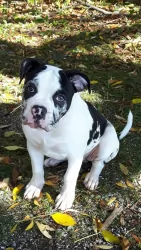 Alapaha Blue Blood Bulldog height is approximately 61 cm, while their weight variates from 34-47kg. Have in mind that females are slightly smaller than males.
A lifespan of Alapaha Blue Blood Bulldog is approximately 11-13 years, but it depends from dog to dog, and with proper care, they can live much longer.
Litter Size of this breed depends but average is 4-8 puppies.
Other Names for Alapaha Blue Blood Bulldogs are Alapaha, Otto, Otto Bulldog.
 The Gully Terrier is a loyal, energetic, and intelligent breed with a strong, muscular build. Known for their protective nature, they make excellent guard dogs, staying alert and watchful of their surroundings.
While they are friendly and devoted to their family, they can also be independent and sometimes stubborn, requiring consistent training. Their short, dense coat is easy to groom, needing only regular brushing and ear cleaning.
Gully Terriers are active dogs that thrive on daily exercise and mental stimulation, making them great companions for those with an active lifestyle.
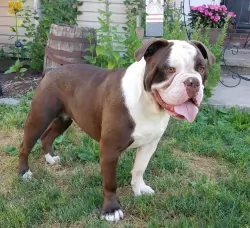 Alapaha breed is not just beautiful and unique breed, but they are also great family dogs. They are very loyal, but also very protective and sometimes possessive. Alapaha will require a lot of attention. It is very important to train your dog properly from the early age. A steady and firm hand is important so if you are first time owner, consider having this breed twice. You should not punish your dog, or implement any types of old-fashioned way of training. They do not respond well to that. Overall, they are very smart and quick learners. Alapaha needs to be socialized with other animals from the early age. They can be aggressive towards dogs that they don’t know. At first, you can train them around the house with family and friends, and after the puppy receives all the vaccines, you can start with socialization with other dogs. If you are first time owner and you want this beautiful breed, you should advise with more experienced breed owner. They simply have more experience than you and they know and understand the puppies, so you will receive more accurate advice. Have in mind that every dog has its own personality. Overall, if you train your dog properly you will have a happy and healthy dog that will be amazing with other animals and especially family members.
 Like many medium to large-sized dogs, Gully Terriers can be prone to hip dysplasia, a condition where the hip joint doesn't develop properly, leading to arthritis and discomfort.
Due to their floppy or semi-erect ears, Gully Terriers can be more susceptible to ear infections. Regular ear cleaning and checking can help prevent this.
Their short coat can sometimes be prone to skin irritations, especially if they are exposed to harsh weather or poor hygiene. Allergies or parasite infestations (like fleas) can cause skin problems.
Gully Terriers are highly energetic, but they can be prone to obesity if they don't get enough exercise or are overfed. A balanced diet and regular activity are essential.
Some dogs in this breed may experience congenital eye issues like cataracts or progressive retinal atrophy (PRA), which can affect vision.
Regular vet check-ups to monitor joints, ears, and skin Consistent exercise to maintain a healthy weight Proper grooming to reduce risk of skin issues and ear infections
 Almost every breed has health issues. That doesn’t mean that your dog will have the same health problems that are typical of the breed. If you choose puppy carefully, from the right breed owners, and if you take them to the regular vet checks with proper diet, most likely that you won’t be having any problems. Alapaha’s usual health problems are hip dysplasia, congenital deafness, entropion- this is an eye related problem, and sometimes they can have skin problems too. Again have in mind that this breed is very healthy and they do not have as many problems as regular bulldogs. The best way to protect yourself from getting a sick dog, you can require tests from the breed owners. If they are reluctant to do that, or they are assuring you that they have healthy dogs, have in mind that something is probably wrong. It is the best to choose a puppy with someone who has more experience with this breed.
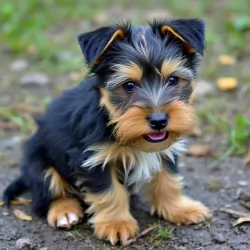 Caring for a Gully Terrier is straightforward but requires attention to their exercise, grooming, and training needs:
Gully Terriers are energetic and need daily exercise. Regular walks, runs, or play sessions will keep them happy and healthy.
They are smart and need activities that challenge their minds, like puzzle toys or training sessions.
Their short coat requires minimal care. Brush them once or twice a week and clean their ears regularly to prevent infections. Trim nails as needed.
Gully Terriers can be a bit independent, so start training early with positive reinforcement. Socialize them with people and other animals to avoid territorial behavior.
Feed them a balanced diet and control their portions to avoid weight gain. Regular vet check-ups will help keep them healthy.
 Feeding of this breed variates on the size of the dog and activity. If your dog is big and very active, you will have to feed it more. Overall, 2-4 cups of high-quality dry food would be enough. It is the best if you divide that into 2 meals per day.
If you have a puppy, it is the best to feed it 3-5 times per day in smaller portions. That is the best way to develop your dog into a healthy and happy adult. In the first year, you should feed your dog this way.
Grooming Alapaha dog is very easy actually. They have a short coat, so occasional grooming is all that this breed needs. Of course, you can bath your dog when gets dirty, but not too often. With occasional bath and semi-regular brushing, you will have a perfectly clean dog.