 MyDogBreeds
 Gully Terrier is originated from India but American Mastiff is originated from United States. Gully Terrier may grow 35 cm / 13 inches shorter than American Mastiff. Gully Terrier may weigh 55 kg / 121 pounds lesser than American Mastiff. Gully Terrier may live 3 years more than American Mastiff. Gully Terrier may have more litter size than American Mastiff. Gully Terrier requires Moderate maintenance. But American Mastiff requires Low maintenance
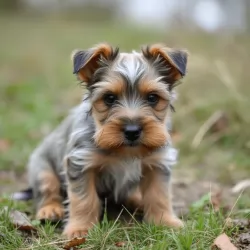 The Gully Terrier originated in India as a street dog, a mix of indigenous Indian Pariah Dogs and bully breeds like Pit Bulls and American Bulldogs.
Developed primarily for protection and hunting, they were used as guard dogs in urban and semi-urban areas. The name "Gully" refers to the narrow alleys and streets where these dogs were often found, while "Bully" highlights their muscular, strong build inherited from bully breeds.
Known for their loyalty, alertness, and protective instincts, Gully Terriers became valued companions for families in need of a strong, resilient dog that could thrive in tough environments.
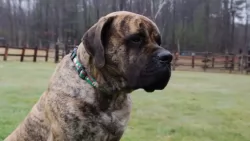 The history of the American Mastiff is entirely tied to the old European Mastiffs but in particular the English Mastiff. The developers of the American Mastiff crossed the English Mastiff with the Anatolian Mastiff at the Ohio kennel, Flying W Farms. The founder of this breed is Fredricka Wagner. Because of this the English Mastiff and the American Mastiff look very much alike. The difference between the two is that the American Mastiff was bred to have less health concerns than the English Mastiff and without the drooling. In 2000 the CKC acknowledged that the American Mastiff and the English Mastiff were separate breeds.
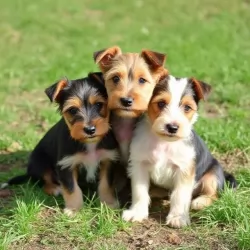 The Gully Terrier is a medium-sized, muscular dog known for its agility, loyalty, and protective nature. With a short, dense coat that comes in various colors, including black, brown, tan, and white, this breed has a distinctive appearance, often with a strong, powerful build.
The Gully Terrier is highly energetic and requires regular exercise to stay happy and healthy. Its intelligent, alert, and sometimes independent nature makes it a great guard dog and companion, although consistent training is necessary to manage its strong-willed personality.
This breed is well-suited for active families or individuals looking for a devoted and protective dog with a loving but protective demeanor.
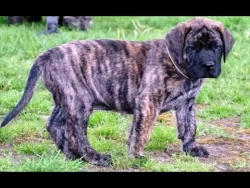 This crossing of the English Mastiff and the Anatolian Mastiff resulted in a Mastiff with a much drier, less drooling mouth than the other Mastiffs. This is a giant, massive dog – powerful and muscular. With a wide head that is rectangular rather than square. Their eyes are dark amber, and their ears are high on their head and rounded. With a medium size muzzle, black mask and heavy head, the American Mastiff is a handsome dog.
Their chest is broad, deep with ribs that extended backward. He has strong legs that are parallel and wide set. He also has a long tail. Puppies of the American Mastiff are born almost black and as they grow their coat color lightens. In addition, it is important that they have a wrinkled forehead as well and a scissors bite is preferred.
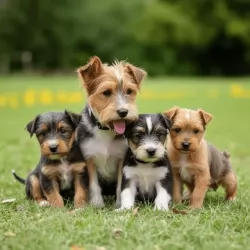 The Gully Terrier is a loyal, energetic, and intelligent breed with a strong, muscular build. Known for their protective nature, they make excellent guard dogs, staying alert and watchful of their surroundings.
While they are friendly and devoted to their family, they can also be independent and sometimes stubborn, requiring consistent training. Their short, dense coat is easy to groom, needing only regular brushing and ear cleaning.
Gully Terriers are active dogs that thrive on daily exercise and mental stimulation, making them great companions for those with an active lifestyle.
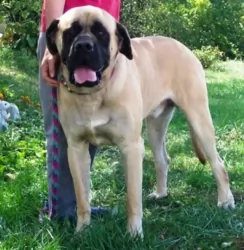 A love of children and devotion to his pack (family) is bred into the American Mastiff. He is non-aggressive unless you threaten his family or his children. Then he becomes courageous, protective and defensive. This is a gentle giant most of the time, however due to size and the need for strong leadership, the American Mastiff should be socialized and trained early. If they are socialized and trained they will be calm, gentle dogs. They will remain protective and alert, but they will be friendly with strangers. They love to please their people and being highly intelligent they learn fast.
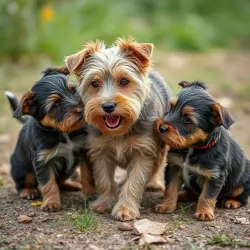 Like many medium to large-sized dogs, Gully Terriers can be prone to hip dysplasia, a condition where the hip joint doesn't develop properly, leading to arthritis and discomfort.
Due to their floppy or semi-erect ears, Gully Terriers can be more susceptible to ear infections. Regular ear cleaning and checking can help prevent this.
Their short coat can sometimes be prone to skin irritations, especially if they are exposed to harsh weather or poor hygiene. Allergies or parasite infestations (like fleas) can cause skin problems.
Gully Terriers are highly energetic, but they can be prone to obesity if they don't get enough exercise or are overfed. A balanced diet and regular activity are essential.
Some dogs in this breed may experience congenital eye issues like cataracts or progressive retinal atrophy (PRA), which can affect vision.
Regular vet check-ups to monitor joints, ears, and skin Consistent exercise to maintain a healthy weight Proper grooming to reduce risk of skin issues and ear infections
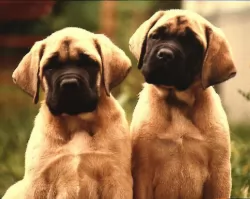 American Mastiffs seem to have fewer health issues than other larger giant breed dogs. However, they can experience allergies as many large, wrinkled dogs do. They also might have a tendency toward eye issues, hip dysplasia, cancer and heart disease. Bloat might be the most life-threatening issue many American Mastiffs experience.
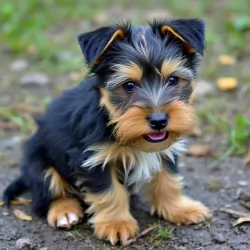 Caring for a Gully Terrier is straightforward but requires attention to their exercise, grooming, and training needs:
Gully Terriers are energetic and need daily exercise. Regular walks, runs, or play sessions will keep them happy and healthy.
They are smart and need activities that challenge their minds, like puzzle toys or training sessions.
Their short coat requires minimal care. Brush them once or twice a week and clean their ears regularly to prevent infections. Trim nails as needed.
Gully Terriers can be a bit independent, so start training early with positive reinforcement. Socialize them with people and other animals to avoid territorial behavior.
Feed them a balanced diet and control their portions to avoid weight gain. Regular vet check-ups will help keep them healthy.
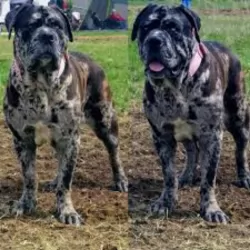 Giant breeds like the American Mastiff are known for growing rapidly as a puppy and therefore proper feeding and nutrition is essential. The slower your American Mastiff grows, the better. Make sure your puppies get enough phosphorous and calcium in their high calorie diet. Free feeding is not recommended. Feed puppies up to 4 small meals per day and feed adults twice a day.
As previously mentioned this breed is a fairly healthy one, There, are however, certain evaluations you should do with your American Mastiff puppy to be sure she is in good health. These tests would include an elbow and hip evaluation to check for dysplasia. He should have an ophthalmologist and cardiologist examine him as well. Most American Mastiffs will not have any problems, but these evaluations will help to prepare you if they do. The wrinkles in your dogs; face, around the eyes and muzzle must be kept clean as they can become infected if you don’t.
Unlike the way he looks, the American Mastiff is not a couch potato, but neither are they a high energy, exercise machine. They do well living in apartments or homes, with or without a fenced in yard. They need a long walk every day. They need mental stimulation through exercise and games. Make sure they learn to love to play so that they don’t become lazy as they age.