 MyDogBreeds
 Gully Terrier is originated from India but Austrailian Blue Heeler is originated from Australia. Gully Terrier may grow 6 cm / 3 inches higher than Austrailian Blue Heeler. Gully Terrier may weigh 19 kg / 42 pounds more than Austrailian Blue Heeler. Both Gully Terrier and Austrailian Blue Heeler has almost same life span. Both Gully Terrier and Austrailian Blue Heeler has almost same litter size. Gully Terrier requires Moderate maintenance. But Austrailian Blue Heeler requires High maintenance
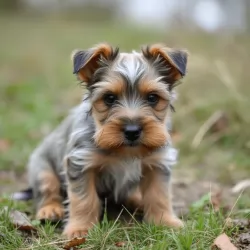 The Gully Terrier originated in India as a street dog, a mix of indigenous Indian Pariah Dogs and bully breeds like Pit Bulls and American Bulldogs.
Developed primarily for protection and hunting, they were used as guard dogs in urban and semi-urban areas. The name "Gully" refers to the narrow alleys and streets where these dogs were often found, while "Bully" highlights their muscular, strong build inherited from bully breeds.
Known for their loyalty, alertness, and protective instincts, Gully Terriers became valued companions for families in need of a strong, resilient dog that could thrive in tough environments.
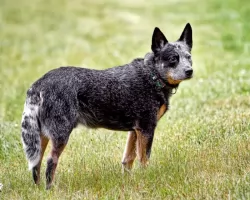 In 1840, George Elliott made a match with Australian Dingo and Collie and got a clever and very active dog breed – Australian Blue Heeler. Soon, he showed his good herding instincts and protective nature and got really popular among the cattlemen and ranchers. Soon, as the USA soldiers arrived in Australia, they decided that it will be a great dog to bring home.
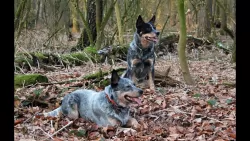
Australian Blue Heeler has short, double coat. The coat is water resistant and helps them when the temperature is too high as well. Their coat is rough to the touch, naturally. They can be found in blue or red coat colour mix. The Blue Heeler isn’t actually blue, but their black coat has a bluish tint. Red Heelers have red fur instead of black. They have long tails, strong legs, Dingo-like heads with pointy ears and muscular necks and balanced and athletic bodies.
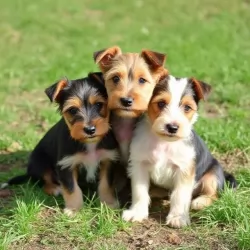 The Gully Terrier is a medium-sized, muscular dog known for its agility, loyalty, and protective nature. With a short, dense coat that comes in various colors, including black, brown, tan, and white, this breed has a distinctive appearance, often with a strong, powerful build.
The Gully Terrier is highly energetic and requires regular exercise to stay happy and healthy. Its intelligent, alert, and sometimes independent nature makes it a great guard dog and companion, although consistent training is necessary to manage its strong-willed personality.
This breed is well-suited for active families or individuals looking for a devoted and protective dog with a loving but protective demeanor.
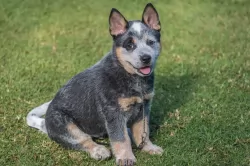 This breed is somehow designed for an outdoor life and outdoor activity. This implies that Blue Heelers have nature made of the high dose of energy. They are always ready to go anywhere you go, and they will be a loyal friend. They are actually very clever, intelligent and ready to help.
If you are a type of the person who prefers being indoors and having minimal physical activity, Blue heelers are not the type of a furry companion for you. They have a high daily need for the activity, and they love having lots of space to run and explore. Sometimes, you will realize that having a leash is a must because they will get so playful that they will forget about you!
If you start teaching them to be friendly with other dogs while they are still pups, they will accept that kind of lifestyle. But, if your Blue Heeler is raised as the only dog on the ranch, note that they won’t be very friendly toward other dogs.
Since most of the herd dogs usually respond to only one person, most of the Blue Heelers can follow this old instinct. They can be very independent, as well, and they are usually not the type of the dog that will always be around your leg waiting for a cuddle or ear scratch. But, they build the respect towards humans depending on how they treat him so they can be very lovable and friendly pets.
If you are still confused about their name, you must know that the Blue Heelers can actually lightly nip your heel for attention. They are not aggressive, but they tend to be very protective of the family, humans around them and their property.
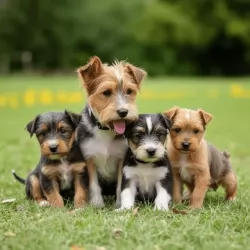 The Gully Terrier is a loyal, energetic, and intelligent breed with a strong, muscular build. Known for their protective nature, they make excellent guard dogs, staying alert and watchful of their surroundings.
While they are friendly and devoted to their family, they can also be independent and sometimes stubborn, requiring consistent training. Their short, dense coat is easy to groom, needing only regular brushing and ear cleaning.
Gully Terriers are active dogs that thrive on daily exercise and mental stimulation, making them great companions for those with an active lifestyle.
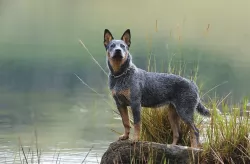 They are generally good with children, but you must be aware of their inherent desire to herd. Always supervise when your Blue Heeler is around small children.
Ball tricks, frisbee fun, running companion, herding cattle.
It is best to buy a puppy. These dogs get attached to one human and to the territory.
They are generally quick learners. If you teach them to be playful, friendly and loving, they will learn it in no time. So be aware of the decisions that can cost you when the dog grows up.
 Like many medium to large-sized dogs, Gully Terriers can be prone to hip dysplasia, a condition where the hip joint doesn't develop properly, leading to arthritis and discomfort.
Due to their floppy or semi-erect ears, Gully Terriers can be more susceptible to ear infections. Regular ear cleaning and checking can help prevent this.
Their short coat can sometimes be prone to skin irritations, especially if they are exposed to harsh weather or poor hygiene. Allergies or parasite infestations (like fleas) can cause skin problems.
Gully Terriers are highly energetic, but they can be prone to obesity if they don't get enough exercise or are overfed. A balanced diet and regular activity are essential.
Some dogs in this breed may experience congenital eye issues like cataracts or progressive retinal atrophy (PRA), which can affect vision.
Regular vet check-ups to monitor joints, ears, and skin Consistent exercise to maintain a healthy weight Proper grooming to reduce risk of skin issues and ear infections
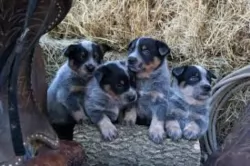 Progressive Retinal Atrophy usually causes slow and painless loss of sight. This process takes years, but there are cases where this disease took only months before the dog ended up completely blind.
It is advisable to take your Blue Heeler to the vet for a test that can tell you if your dog is carrying the gene for this disease.
Progressive Retinal Atrophy usually causes slow and painless loss of sight. This process takes years, but there are cases where this disease took only months before the dog ended up completely blind.
It is advisable to take your Blue Heeler to the vet for a test that can tell you if your dog is carrying the gene for this disease.
Lens luxation is a disease where the lens of dog’s eye separates partially or completely. Good news is that this disease can be treated.
Most common is the hip or elbow dysplasia. This is the disease where hip joints do not develop properly and begin to grind. This condition can sometimes be treated with physiotherapy, but there is a chance that your Blue Heeler will need a surgery. If you have a habit of regular vet checks and keeping your dog slim and fed with quality food, you can a make a big difference.
Osteochondritis Dissecans (OCD) causes the dog to have excess cartilage and deficient bone, where cartilage does not get replaced by bone during fetal development. This disease usually requires surgery and prescribed medicines.
Congenital hereditary sensorineural deafness – CHSD is a common form of deafness.
Bilateral deafness can be identified when the dog is still a puppy, more-less at six weeks of age. A puppy with deafness in only one ear is harder to identify, but it can happen.
Portosystemic shunt means that the blood flow is getting back into the bloodstream instead of passing through the liver. That means that liver can’t clear out the toxins, and the organ itself fails to grow properly. This inherited type of shunt can be treated with surgery if the diagnose is set on time.
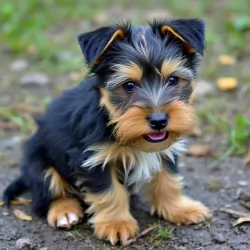 Caring for a Gully Terrier is straightforward but requires attention to their exercise, grooming, and training needs:
Gully Terriers are energetic and need daily exercise. Regular walks, runs, or play sessions will keep them happy and healthy.
They are smart and need activities that challenge their minds, like puzzle toys or training sessions.
Their short coat requires minimal care. Brush them once or twice a week and clean their ears regularly to prevent infections. Trim nails as needed.
Gully Terriers can be a bit independent, so start training early with positive reinforcement. Socialize them with people and other animals to avoid territorial behavior.
Feed them a balanced diet and control their portions to avoid weight gain. Regular vet check-ups will help keep them healthy.
 Choose a dog food that will provide nutrients that will help in the bone developing. Since they are more likely to suffer from joint diseases, you must take this advice seriously. It would be great if you speak about this with your vet before you choose food on your own.
The best food for Blue Heeler is a high-quality food which supplies them with premium nutrition to fuel their activity.
They also drink a lot of water, so be sure that they always have a fresh water available.
Lots and lots of the outdoor activity and a quality food. You must be very cautious because this kind of dogs gets overweight easily because they just love the treats and extra food portion.
Any outdoor activity that is mentally challenging and interesting enough to keep them from running in the field trying to catch anything that moves.