 MyDogBreeds
 Gully Terrier is originated from India but Australian Bulldog is originated from Australia. Gully Terrier may grow 6 cm / 3 inches higher than Australian Bulldog. Both Gully Terrier and Australian Bulldog are of same weight. Gully Terrier may live 3 years more than Australian Bulldog. Both Gully Terrier and Australian Bulldog has same litter size. Both Gully Terrier and Australian Bulldog requires Moderate maintenance.
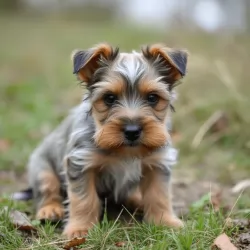 The Gully Terrier originated in India as a street dog, a mix of indigenous Indian Pariah Dogs and bully breeds like Pit Bulls and American Bulldogs.
Developed primarily for protection and hunting, they were used as guard dogs in urban and semi-urban areas. The name "Gully" refers to the narrow alleys and streets where these dogs were often found, while "Bully" highlights their muscular, strong build inherited from bully breeds.
Known for their loyalty, alertness, and protective instincts, Gully Terriers became valued companions for families in need of a strong, resilient dog that could thrive in tough environments.
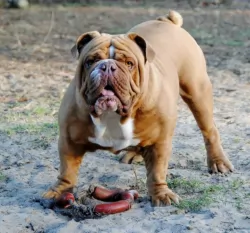 The Australian Bulldog was bred from several breeds: The Bullmastiff, English bulldog, the English Staffordshire Bull Terrier and the Boxer. You will notice that his appearance is quite similar to the English bulldog, but this breed has a less-squished muzzle, fewer wrinkles and longer legs. They have great strength with a good thickness of the bone. They are solid and compact breed with good muscle tone.
The head structure of an Aussie Bulldog is one of its main attributes. It is very strong, square shaped with depth and width of muzzle less than a general bulldog. They have some wrinkle across the nose. Eyes are wide apart, large and clean. The jaw is wide and square, with strong teeth.
The name Australian Bulldog was given by Noel and Tina Green, the founders of the breed. They introduced Australian Bulldog to the public in 1998.
 The Gully Terrier is a medium-sized, muscular dog known for its agility, loyalty, and protective nature. With a short, dense coat that comes in various colors, including black, brown, tan, and white, this breed has a distinctive appearance, often with a strong, powerful build.
The Gully Terrier is highly energetic and requires regular exercise to stay happy and healthy. Its intelligent, alert, and sometimes independent nature makes it a great guard dog and companion, although consistent training is necessary to manage its strong-willed personality.
This breed is well-suited for active families or individuals looking for a devoted and protective dog with a loving but protective demeanor.
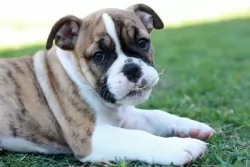 Australian bulldogs can be very good companions considering their natural loyalty. They just love to interact with humans and they are rarely aggressive.
They can be taught to be excellent watchdogs. The perfect place to raise this breed would be a house with a yard. The Australian Bulldog is usually dominant toward other dogs in its territory but, with proper training and early socialization, you can teach them to get along with other dogs and pets.
No matter if you are an active single, or you plan to bring an Australian bulldog puppy into the big family, as long as you are caring and loving toward him, he will be an amazing pet.
The Australian Bulldog is not recommended for apartment life. But, you can teach him to live in the smaller space if you tend to respect his daily need for activity. This breed is an indoor dog, and should not be left outside all day in a kennel. The best advice is to raise them in temperate climates since they can’t bear the extreme heat or extreme cold.
 The Gully Terrier is a loyal, energetic, and intelligent breed with a strong, muscular build. Known for their protective nature, they make excellent guard dogs, staying alert and watchful of their surroundings.
While they are friendly and devoted to their family, they can also be independent and sometimes stubborn, requiring consistent training. Their short, dense coat is easy to groom, needing only regular brushing and ear cleaning.
Gully Terriers are active dogs that thrive on daily exercise and mental stimulation, making them great companions for those with an active lifestyle.
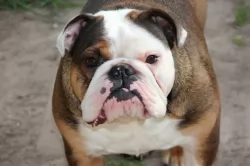 Australian Bulldog is a breed that will protect their family. They are great during the playtime with children as well. If you don’t have children, make sure you socialize your dog with children while he is still young.
They are extremely intelligent. You can teach you Australian Bulldog almost everything in a very short time.
early socialization is a must with the Australian Bulldog.
you should start to train your Australian Bulldog as soon as possible. Positive reinforcement-based training methods are the ones you need to master in order to raise a good Australian Bulldog. They will be trained easily if there is a firm, consistent hand in training and they need leadership role from their owners. They can be taught very easy to be obedient and they love playing games like Frisbee, catch, water activities (but they swim very rarely because of their big and heavy chests), exploring the nature.
 Like many medium to large-sized dogs, Gully Terriers can be prone to hip dysplasia, a condition where the hip joint doesn't develop properly, leading to arthritis and discomfort.
Due to their floppy or semi-erect ears, Gully Terriers can be more susceptible to ear infections. Regular ear cleaning and checking can help prevent this.
Their short coat can sometimes be prone to skin irritations, especially if they are exposed to harsh weather or poor hygiene. Allergies or parasite infestations (like fleas) can cause skin problems.
Gully Terriers are highly energetic, but they can be prone to obesity if they don't get enough exercise or are overfed. A balanced diet and regular activity are essential.
Some dogs in this breed may experience congenital eye issues like cataracts or progressive retinal atrophy (PRA), which can affect vision.
Regular vet check-ups to monitor joints, ears, and skin Consistent exercise to maintain a healthy weight Proper grooming to reduce risk of skin issues and ear infections
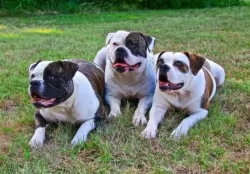 Australian Bulldog has better health than the English bulldog and its health continues to improve with each generation.
The pushed-in face causes harder breathing. Be aware that they can’t use the air to cool itself off as quickly as necessary. During the extreme heat, Australian Bulldogs can develop heat stroke and die from it.
Take special care of the wrinkles on their nose. They will require everyday care since wrinkles need to be cleaned and kept dry to prevent the skin infection. Bath the dog only when it is necessary because of too much bathing with soap damages the natural oils in its skin.
The Australian Bulldog, on average, is fed two times a day. They have the high risk of obesity, so there is no real need for more than two meals. Make sure to choose a premium quality food and to feed the dog according to the instructions. Also, they need lots of fresh water since they will be super active pet.
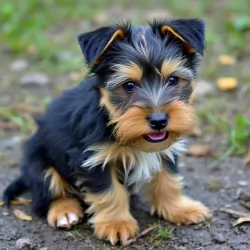 Caring for a Gully Terrier is straightforward but requires attention to their exercise, grooming, and training needs:
Gully Terriers are energetic and need daily exercise. Regular walks, runs, or play sessions will keep them happy and healthy.
They are smart and need activities that challenge their minds, like puzzle toys or training sessions.
Their short coat requires minimal care. Brush them once or twice a week and clean their ears regularly to prevent infections. Trim nails as needed.
Gully Terriers can be a bit independent, so start training early with positive reinforcement. Socialize them with people and other animals to avoid territorial behavior.
Feed them a balanced diet and control their portions to avoid weight gain. Regular vet check-ups will help keep them healthy.
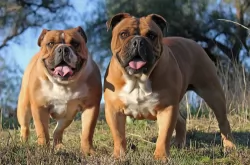 Feeding the puppy and adult: high-quality dog food for active dogs is a must. Do not overfeed them. If you are not sure about the amount of food your dog really needs, please consult a vet.
The Australian Bulldog needs minimal grooming. They should be brushed at least once a week using a firm bristled brush. They shed a moderate amount on a regular basis so there will be loose hair to deal with. Make sure to clip the nails when necessary. They will need a tooth brushing two times a week and checking and wiping its ears once a week.
Points for Good Health: every day long walks, plenty of exercises, special skin care and regular vet check-ups.