 MyDogBreeds
 Gully Terrier is originated from India but Australian Silky Terrier is originated from Australia. Gully Terrier may grow 30 cm / 12 inches higher than Australian Silky Terrier. Gully Terrier may weigh 29 kg / 64 pounds more than Australian Silky Terrier. Both Gully Terrier and Australian Silky Terrier has same life span. Gully Terrier may have more litter size than Australian Silky Terrier. Both Gully Terrier and Australian Silky Terrier requires Moderate maintenance.
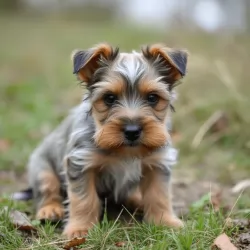 The Gully Terrier originated in India as a street dog, a mix of indigenous Indian Pariah Dogs and bully breeds like Pit Bulls and American Bulldogs.
Developed primarily for protection and hunting, they were used as guard dogs in urban and semi-urban areas. The name "Gully" refers to the narrow alleys and streets where these dogs were often found, while "Bully" highlights their muscular, strong build inherited from bully breeds.
Known for their loyalty, alertness, and protective instincts, Gully Terriers became valued companions for families in need of a strong, resilient dog that could thrive in tough environments.
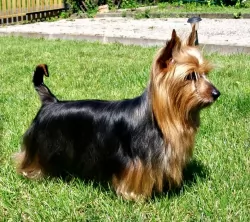 Many toy breeds have been bred for centuries and were kept as lap dogs and companion dogs. Known at first as ‘The Sydney Silk’ the Australian Silky Terrier originated in Australia, but before the 2nd World War, the Australian SilkyTerrier was all but unknown outside Australia.
The toy breed came about by crossing the Yorkshire Terrier and the Australian Terrier, but further crossings contributed to the silky coat and the small size we are familiar with today. Despite this little dog being classified in the Toy Group, this spunky dog has the ability to hunt and kill rodents.
Victorian and Tasmanian breeders claimed to be originators of the breed, so the official name, Australian Silky Terrier, was adopted in 1956. Since recognition by the American Kennel Club in 1955, the breed has enjoyed a solid build up of fans.
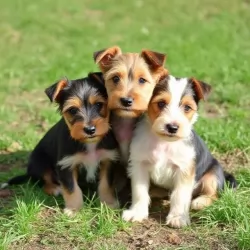 The Gully Terrier is a medium-sized, muscular dog known for its agility, loyalty, and protective nature. With a short, dense coat that comes in various colors, including black, brown, tan, and white, this breed has a distinctive appearance, often with a strong, powerful build.
The Gully Terrier is highly energetic and requires regular exercise to stay happy and healthy. Its intelligent, alert, and sometimes independent nature makes it a great guard dog and companion, although consistent training is necessary to manage its strong-willed personality.
This breed is well-suited for active families or individuals looking for a devoted and protective dog with a loving but protective demeanor.
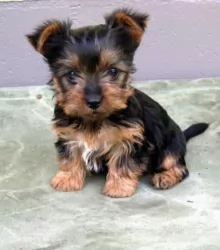 This is a small breed with Loads of Spunk. The Silky terrier is somewhat longer than tall and height is around 23cm, with weight being about 4kg. He has an athletic build and although the bone structure is refined, the small dog has amazing strength and durability with a keen, alert face. Small but sturdily built, the dark, almond-shaped eyes don’t miss a thing as do the small, erect v-shaped ears.
Full of fun and packed with character, the Silky Terrier isn’t your regular lap dog as he is bold, active, feisty and playful- always ready for action. He can be aggressive toward strange pets but becomes amicable with other pets in the home. He is sharp and clever, and can be trained to be an absolute pleasure in the home and a playmate for children trained to be kind to animals.
They are loving and devoted to their human family and can be excellent watchdogs even though they can’t offer much protection.
Of course, the Silky Terrier gets his name from the sleek, silky coat that if allowed to grow, flows down from their backs to the floor. It is the dogs most distinctive feature. They come in several solid colors and mixes of colors too such as blue/tan, grey/blue and cream.
The Silky is an adaptable dog and even though he is energetic and will needs daily physical and mental exercise, he can be a country or an apartment dog, but will require plenty of exercise and getting out and about.
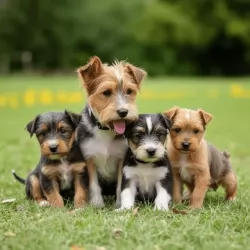 The Gully Terrier is a loyal, energetic, and intelligent breed with a strong, muscular build. Known for their protective nature, they make excellent guard dogs, staying alert and watchful of their surroundings.
While they are friendly and devoted to their family, they can also be independent and sometimes stubborn, requiring consistent training. Their short, dense coat is easy to groom, needing only regular brushing and ear cleaning.
Gully Terriers are active dogs that thrive on daily exercise and mental stimulation, making them great companions for those with an active lifestyle.
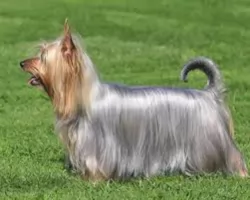 Small in stature but with a strong personality, the Australian Silky Terrier is a keen, intelligent, active, energetic and spunky breed. He is affectionate and loyal towards his human family, and although good with older children and other pets, he may not get on too well with small children and their erratic movements.
Don’t leave him alone for too long as he becomes anxious and destructive. He is an active dog too and while he will adapt to apartment living, he will need exercise and games to keep him active, fit, stimulated and healthy. Your Silky is an intelligent dog but he is stubborn too and proper socialization and training will be important for Silky Terriers, as then he becomes quite sociable.
A firm but gentle hand will be needed to train this wilful little dog, but when you show him who’s boss, he becomes your devoted and loyal friend.
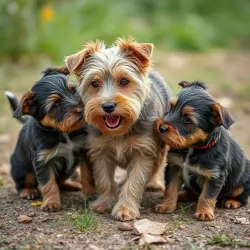 Like many medium to large-sized dogs, Gully Terriers can be prone to hip dysplasia, a condition where the hip joint doesn't develop properly, leading to arthritis and discomfort.
Due to their floppy or semi-erect ears, Gully Terriers can be more susceptible to ear infections. Regular ear cleaning and checking can help prevent this.
Their short coat can sometimes be prone to skin irritations, especially if they are exposed to harsh weather or poor hygiene. Allergies or parasite infestations (like fleas) can cause skin problems.
Gully Terriers are highly energetic, but they can be prone to obesity if they don't get enough exercise or are overfed. A balanced diet and regular activity are essential.
Some dogs in this breed may experience congenital eye issues like cataracts or progressive retinal atrophy (PRA), which can affect vision.
Regular vet check-ups to monitor joints, ears, and skin Consistent exercise to maintain a healthy weight Proper grooming to reduce risk of skin issues and ear infections
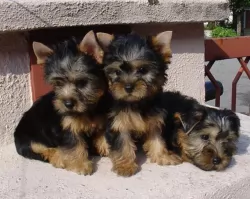 The Australian Silky Terrier is generally healthy and he has a lifespan of 11 – 14 years. However he may suffer from some problems such as Legg-Perthes disease. This means degeneration of the head on the femur bone of the dog's hind leg, resulting is osteoarthritis. This ailment is commonly seen in miniature-, small and toy breeds and can result in lameness and pain.
Silky Terriers are also prone to certain eye disorders, including PRA or Progressive Retinal Atrophy as well as cataracts. PRA can lead to total blindness.
Getting the right puppy shots and vaccinations is also part of good health care for your Silky and you can speak to your vet about what injections are due at 6 – 8 weeks of age and what booster vaccinations may be necessary.
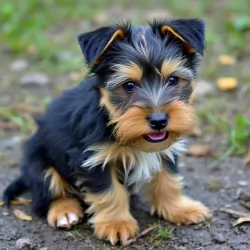 Caring for a Gully Terrier is straightforward but requires attention to their exercise, grooming, and training needs:
Gully Terriers are energetic and need daily exercise. Regular walks, runs, or play sessions will keep them happy and healthy.
They are smart and need activities that challenge their minds, like puzzle toys or training sessions.
Their short coat requires minimal care. Brush them once or twice a week and clean their ears regularly to prevent infections. Trim nails as needed.
Gully Terriers can be a bit independent, so start training early with positive reinforcement. Socialize them with people and other animals to avoid territorial behavior.
Feed them a balanced diet and control their portions to avoid weight gain. Regular vet check-ups will help keep them healthy.
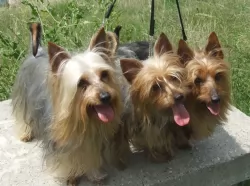 The long, straight coat of the Silky will need a fair amount of brushing each day. This dog is considered a hypoallergenic breed, and although he doesn’t shed a lot, the length of the hair will require regular brushing to get rid of loose hairs but also ensure there is no tangling of the hair. If the hair of the dog is kept long, he may require a bath every now and then to keep his hair silky and clean and to get rid of dirt build-up.
A healthy, nutritional diet is important for keeping your canine friend healthy and free from disease and unhealthy skin. To stay health your pet will require correct amounts of vitamins and minerals.
Dog food companies make different types of dog food such as dry, semi-moist, and moist and these are available for dogs of different ages, activity levels and stage of life. Speak to your vet about selecting a dog food that is right for your Australian Silky Terrier and always ensure a bowl of fresh water is available to him.