 MyDogBreeds
 Gully Terrier is originated from India but Australian Terrier is originated from Australia. Gully Terrier may grow 30 cm / 12 inches higher than Australian Terrier. Gully Terrier may weigh 27 kg / 60 pounds more than Australian Terrier. Both Gully Terrier and Australian Terrier has same life span. Both Gully Terrier and Australian Terrier has almost same litter size. Both Gully Terrier and Australian Terrier requires Moderate maintenance.
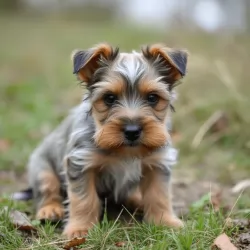 The Gully Terrier originated in India as a street dog, a mix of indigenous Indian Pariah Dogs and bully breeds like Pit Bulls and American Bulldogs.
Developed primarily for protection and hunting, they were used as guard dogs in urban and semi-urban areas. The name "Gully" refers to the narrow alleys and streets where these dogs were often found, while "Bully" highlights their muscular, strong build inherited from bully breeds.
Known for their loyalty, alertness, and protective instincts, Gully Terriers became valued companions for families in need of a strong, resilient dog that could thrive in tough environments.
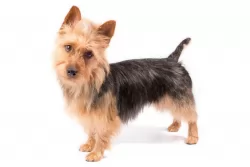 The Australian terrier, the little terrier, is a breed developed to control vermin. The nature of this dog is very spirited. They are alert, courageous and self-confident but still very human-friendly.
Australian terriers were breed by the mix of the Terrier with the rough coat and Scotch Dog of Great Britain. These breeds were mixed until they produced the muscular and fearless dog for the Australian settlers. Their primary job was to control the number of rodents and snakes. They were taught to tend flocks, be an excellent guard dogs but remain friendly. This breed is still very popular as a working dog, loyal companion and dogs for show, city, home or a farm.
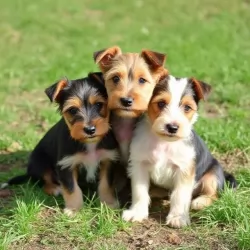 The Gully Terrier is a medium-sized, muscular dog known for its agility, loyalty, and protective nature. With a short, dense coat that comes in various colors, including black, brown, tan, and white, this breed has a distinctive appearance, often with a strong, powerful build.
The Gully Terrier is highly energetic and requires regular exercise to stay happy and healthy. Its intelligent, alert, and sometimes independent nature makes it a great guard dog and companion, although consistent training is necessary to manage its strong-willed personality.
This breed is well-suited for active families or individuals looking for a devoted and protective dog with a loving but protective demeanor.
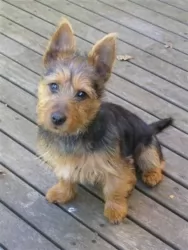 The Australian terrier has body longer than they are tall. They are small dogs with the long and thick coat with silky undercoat and short little legs. This smart-eyes breed is perfect for persons who live indoors. But, you must know that they really like to bark and communicate that way with everybody. They also have a high need for activity so it will be necessary to take him out so he can run, play and be social with other dogs. They are very intelligent, but not very responsive. They will quickly learn how to fetch, but they will have days when they just feel like fetching.
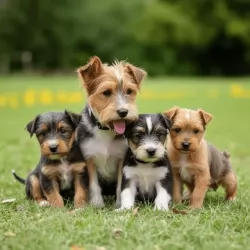 The Gully Terrier is a loyal, energetic, and intelligent breed with a strong, muscular build. Known for their protective nature, they make excellent guard dogs, staying alert and watchful of their surroundings.
While they are friendly and devoted to their family, they can also be independent and sometimes stubborn, requiring consistent training. Their short, dense coat is easy to groom, needing only regular brushing and ear cleaning.
Gully Terriers are active dogs that thrive on daily exercise and mental stimulation, making them great companions for those with an active lifestyle.
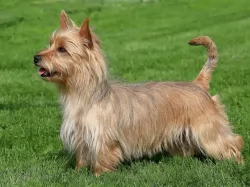 The Australian terrier is very good breed to choose if you have children. They are active and always ready to play, and they will protect the children since they have watchdog gene.
Excellent watch dog. This breed will keep your garden and home vermin free.
They are generally very polite towards strangers and highly adaptable among other dogs, but their adaptability in social life is totally up to the human and the training. They can grow to be adaptable dogs that fit well into almost any environment; city or country, house or apartment.
Since they are an intelligent breed, the Australian terrier may surprise you with their ability to learn new tricks and shock you with their ability to be very strong willed about doing what is told. It’s not that they are not the type to obey and be “a good dog”, they are so playful and silly that they will often forget that they are the god and not the human. You must start training them while they are still pups.
 Like many medium to large-sized dogs, Gully Terriers can be prone to hip dysplasia, a condition where the hip joint doesn't develop properly, leading to arthritis and discomfort.
Due to their floppy or semi-erect ears, Gully Terriers can be more susceptible to ear infections. Regular ear cleaning and checking can help prevent this.
Their short coat can sometimes be prone to skin irritations, especially if they are exposed to harsh weather or poor hygiene. Allergies or parasite infestations (like fleas) can cause skin problems.
Gully Terriers are highly energetic, but they can be prone to obesity if they don't get enough exercise or are overfed. A balanced diet and regular activity are essential.
Some dogs in this breed may experience congenital eye issues like cataracts or progressive retinal atrophy (PRA), which can affect vision.
Regular vet check-ups to monitor joints, ears, and skin Consistent exercise to maintain a healthy weight Proper grooming to reduce risk of skin issues and ear infections
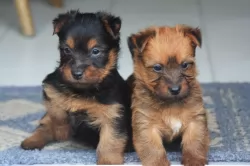 A bone disorder, where the hip joint starts to rot caused by decaying of the femur bone which is located in the dog’s hind limb.
Luxating patella is a knee disease where one or both kneecaps can slip out of place.
Rupture of an important ligament in the knee (stifle) joints.
The brain disorder that is characterized by seizures. There are several different types of epilepsy that can affect dogs.
A chronic disease of the metabolism which is characterised as high glucose amount in the blood. This happens when hormone insulin drops below the normal values. This condition results in malfunction of vital organs.
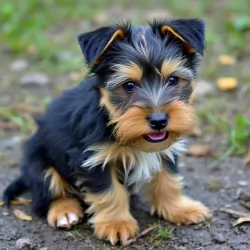 Caring for a Gully Terrier is straightforward but requires attention to their exercise, grooming, and training needs:
Gully Terriers are energetic and need daily exercise. Regular walks, runs, or play sessions will keep them happy and healthy.
They are smart and need activities that challenge their minds, like puzzle toys or training sessions.
Their short coat requires minimal care. Brush them once or twice a week and clean their ears regularly to prevent infections. Trim nails as needed.
Gully Terriers can be a bit independent, so start training early with positive reinforcement. Socialize them with people and other animals to avoid territorial behavior.
Feed them a balanced diet and control their portions to avoid weight gain. Regular vet check-ups will help keep them healthy.
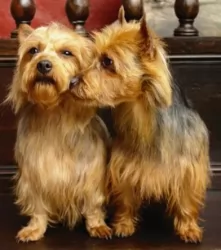 Recommended daily amount is usually found on the type of the food you choose. They like dry food, and if you are not quite sure what brand of the dry food you should choose, seek a vet’s advice. The Australian terrier has a healthy appetite, but he almost never overeats. How much your Australian terrier eats depends on his size, age, metabolism, and activity level.
Their coat requires moderate maintenance. That means that you don’t have to groom your Australian terrier every single day, but being aware of the importance of grooming him at least twice a week is a key because lack of adequate care may lead to skin diseases. Make sure not to bathe them too much, but you can be free with their haircut. They can grow very sharp toenails, so they should be clipped regularly. Ear and teeth must be kept clean.
Lots of outdoor activity. They are lovable kind, so don’t be reserved towards them. It’s important to begin training and socializing your pup as soon as possible. Training sessions need to be consistent, firm, short and clear. Grooming is a must since you will want to prevent the tangles and mats.
Find a place for them where you can take of the leash and let them run free. They love chasing birds, butterflies and anything that flies above. They will chase small rodents, other dogs and cats. After you thought you Australian terrier how to play with other dogs and cats, they will be the most wanted guest in the whole neighbourhood. Find a place where they can dig holes – and they will be so happy that they probably won’t hear you calling them home.