 MyDogBreeds
 Both Gully Terrier and Bakharwal Dog are originated from India. Gully Terrier may grow 20 cm / 7 inches shorter than Bakharwal Dog. Both Gully Terrier and Bakharwal Dog are having almost same weight. Gully Terrier may live 3 years more than Bakharwal Dog. Gully Terrier may have more litter size than Bakharwal Dog. Both Gully Terrier and Bakharwal Dog requires Moderate maintenance.
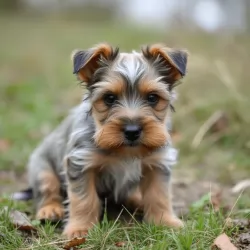 The Gully Terrier originated in India as a street dog, a mix of indigenous Indian Pariah Dogs and bully breeds like Pit Bulls and American Bulldogs.
Developed primarily for protection and hunting, they were used as guard dogs in urban and semi-urban areas. The name "Gully" refers to the narrow alleys and streets where these dogs were often found, while "Bully" highlights their muscular, strong build inherited from bully breeds.
Known for their loyalty, alertness, and protective instincts, Gully Terriers became valued companions for families in need of a strong, resilient dog that could thrive in tough environments.
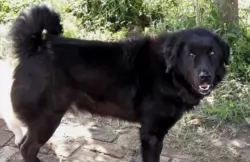 The precise origin of the large Bakharwal Dog is undocumented. It is believed the breed originated from the Tibetan Mastiff, the Molosser, the Tuvan Sheepdog and others. It is an ancient working breed where it has been bred for many centuries by the Bakarwal and Guijar tribes. The dog is thought to be the rarest of all the ancient herding breeds.
The Bakharwal is an indigenous breed of Himalayan origin, being bred exclusively by those wanting a strong, brave dog to protect their livestock. Today Jammu and Kashmir in North India is predominantly the stronghold of this breed.
The Bakharwal dog today as we know it is a muscular dog, tall and powerful and with a thick, fluffy coat. He has remained a livestock guardian or herding dog for the people occupying the Pir Panjal mountain ranges for centuries.
Unfortunately the breed’s rarity as well as his lack of recognition has put this attractive dog in danger of becoming extinct, and in fact steps have been taken to have the dog listed as an endangered species. The females only produce small litters of between 1 to 3 puppies. There are currently no breeding clubs for the Bakharwal Dog and the other sad aspect is that the breed isn’t recognized by any of the major kennel clubs.
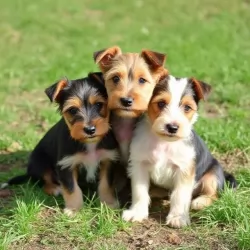 The Gully Terrier is a medium-sized, muscular dog known for its agility, loyalty, and protective nature. With a short, dense coat that comes in various colors, including black, brown, tan, and white, this breed has a distinctive appearance, often with a strong, powerful build.
The Gully Terrier is highly energetic and requires regular exercise to stay happy and healthy. Its intelligent, alert, and sometimes independent nature makes it a great guard dog and companion, although consistent training is necessary to manage its strong-willed personality.
This breed is well-suited for active families or individuals looking for a devoted and protective dog with a loving but protective demeanor.
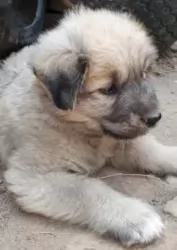 This dog is large, heavily boned, muscular and with a deep chest. They’ve got large heads and a thick, muscular neck. The nose is black, the almond-shaped brown or amber eyes gentle while the ears are medium sized and drooping. The tail is long and bushy and mostly curls over the back of the dog. Their thick coats are available in a number of colours such as cream, tan, white, black and piebald.
The Kashmiri Sheepdog has long legs and although a number of sizes exist, the regular height of the dog is roughly 61 to 76 cm.
Known also by several other names such as the Kashmir Mastiff, Kashmir Sheepdog or Bakarwal Mastiff, this dog is well known for his ferociousness, and guarding his human family is taken seriously. His courage knows know limits and he is both protector and friend, a loyal and devoted companion.
He forms a strong bond with his human family and is good natured with well behaved children who have been taught to treat animals with kindness. Caution should always be practised with small children as this is a large dog. He is playful, social and adaptable with his human family but won’t take kindly to other pets. Socialization and training are important for this strong-willed dog.
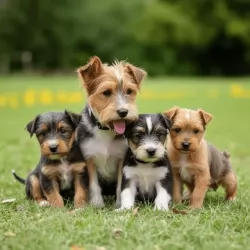 The Gully Terrier is a loyal, energetic, and intelligent breed with a strong, muscular build. Known for their protective nature, they make excellent guard dogs, staying alert and watchful of their surroundings.
While they are friendly and devoted to their family, they can also be independent and sometimes stubborn, requiring consistent training. Their short, dense coat is easy to groom, needing only regular brushing and ear cleaning.
Gully Terriers are active dogs that thrive on daily exercise and mental stimulation, making them great companions for those with an active lifestyle.
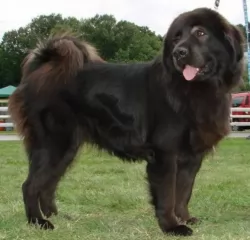 Bred exclusively as a livestock guardian dog, the large Bakharwal is a steadfast, loving, brave guardian. He is good with people of all ages and will protect his human family with his life.
To this day the breed has a strong herding and guarding instinct, and because he is a large breed with herding instincts, he won’t be suited to apartment living. He needs a good sized garden to run in and will require exercising to stave off frustration and boredom.
Look after your Bakharwal well, especially as there aren’t many of them left. Loved, nourished and cared for, he’s just waiting to make you part of his ‘flock’ and in exchange he’ll be your loyal and devoted friend who will protect you with his life.
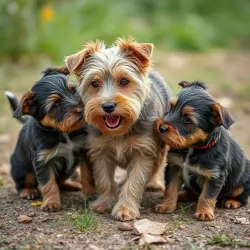 Like many medium to large-sized dogs, Gully Terriers can be prone to hip dysplasia, a condition where the hip joint doesn't develop properly, leading to arthritis and discomfort.
Due to their floppy or semi-erect ears, Gully Terriers can be more susceptible to ear infections. Regular ear cleaning and checking can help prevent this.
Their short coat can sometimes be prone to skin irritations, especially if they are exposed to harsh weather or poor hygiene. Allergies or parasite infestations (like fleas) can cause skin problems.
Gully Terriers are highly energetic, but they can be prone to obesity if they don't get enough exercise or are overfed. A balanced diet and regular activity are essential.
Some dogs in this breed may experience congenital eye issues like cataracts or progressive retinal atrophy (PRA), which can affect vision.
Regular vet check-ups to monitor joints, ears, and skin Consistent exercise to maintain a healthy weight Proper grooming to reduce risk of skin issues and ear infections
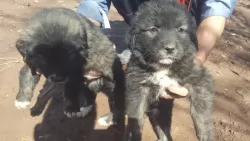 Your Bakharwal puppy will need to see the vet for a complete check up and to receive his puppy vaccinations. These innoculations immunize your puppy from hepatitis, distemper, leptospirosis, parvovirus and parainfluenza.
As he grows older, you’ll need to keep his teeth free from dental plaque by using a special dog toothbrush and toothpaste.
Ticks and fleas – speak to your vet about the most effective way to treat these parasites. heartworm – this is important if your dog is exposed to lots of mosquitoes. Heartworm infestations are potentially deadly. spaying and neutering is important at 6 months of age to protect your pet from unwanted puppies and disease.
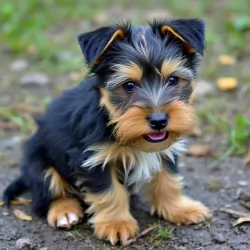 Caring for a Gully Terrier is straightforward but requires attention to their exercise, grooming, and training needs:
Gully Terriers are energetic and need daily exercise. Regular walks, runs, or play sessions will keep them happy and healthy.
They are smart and need activities that challenge their minds, like puzzle toys or training sessions.
Their short coat requires minimal care. Brush them once or twice a week and clean their ears regularly to prevent infections. Trim nails as needed.
Gully Terriers can be a bit independent, so start training early with positive reinforcement. Socialize them with people and other animals to avoid territorial behavior.
Feed them a balanced diet and control their portions to avoid weight gain. Regular vet check-ups will help keep them healthy.
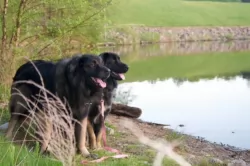 The coat of the Bakharwal Dog is thick, flat and of medium length and he is a relatively low maintenance dog. Brushing the dog’s coat twice a week will be adequate to remove loose hairs, although professional grooming can be a good thing as the density of the coat makes trimming the coat a necessity. The eyes, ears, teeth, and nails of the Bakharwal Dog should also be examined regularly just to ensure no health problems develop.
Bakharwal puppies from 8 to 12 weeks will require meals 4x a day. From 6 months on he can start having 2 meals a day. Top-quality dry- or wet dogfoods will guarantees balanced nutrition, and speaking to your veterinarian will give you an idea of what is best for your canine friend. To ensure your dog doesn’t suffer with a dry, scratchy skin, remember to include raw- and cook meat into his food. Protein is an essential ingredient for the health of your dog. Always ensure clean, cool water is available and wash food- and water bowls regularly.
Make sure your Bakharwal Dog gets plenty of exercise every day to maintain good health. Take him for walks to give him new sounds, smells and sights.