 MyDogBreeds
 Gully Terrier is originated from India but Basenji is originated from Congo. Gully Terrier may grow 13 cm / 6 inches higher than Basenji. Gully Terrier may weigh 22 kg / 49 pounds more than Basenji. Both Gully Terrier and Basenji has almost same life span. Both Gully Terrier and Basenji has almost same litter size. Gully Terrier requires Moderate maintenance. But Basenji requires Low maintenance
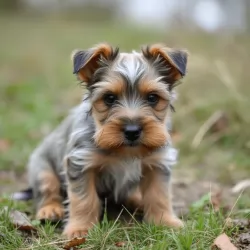 The Gully Terrier originated in India as a street dog, a mix of indigenous Indian Pariah Dogs and bully breeds like Pit Bulls and American Bulldogs.
Developed primarily for protection and hunting, they were used as guard dogs in urban and semi-urban areas. The name "Gully" refers to the narrow alleys and streets where these dogs were often found, while "Bully" highlights their muscular, strong build inherited from bully breeds.
Known for their loyalty, alertness, and protective instincts, Gully Terriers became valued companions for families in need of a strong, resilient dog that could thrive in tough environments.
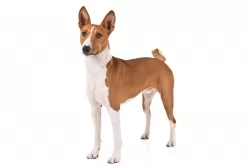 The Basenji is an old breeds of domesticated dog and the dog was discovered by Westerners in the Congo region of West Africa in the 19th century. The word ‘Basenji’ means ‘dog of the bush’ the Congo area of Africa. The Basenji falls into the hound category as a hunting dog.
The dogs were first imported into England and the United States in the 1930s.The Basenji Club of America was started in 1942, and the American Kennel Club recognized the breed in 1943. The new additions also introduced the brindle color pattern to the Western Basenji.
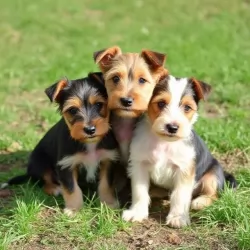 The Gully Terrier is a medium-sized, muscular dog known for its agility, loyalty, and protective nature. With a short, dense coat that comes in various colors, including black, brown, tan, and white, this breed has a distinctive appearance, often with a strong, powerful build.
The Gully Terrier is highly energetic and requires regular exercise to stay happy and healthy. Its intelligent, alert, and sometimes independent nature makes it a great guard dog and companion, although consistent training is necessary to manage its strong-willed personality.
This breed is well-suited for active families or individuals looking for a devoted and protective dog with a loving but protective demeanor.
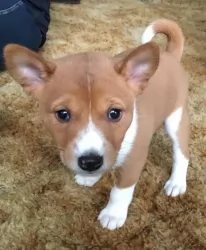 Described as being catlike, this is an unusual dog to say the least. The reason for this is that he doesn’t have a bark but rather emits a characteristic noise which is likened to a chortel and a yodel. The Basenji is a medium sized dog but he isn’t robust looking. He is a lightly built dog of 40 – 43cm in height and his coat is short and sleek. He has long legs which help with being quick and agile and his shortish tail curls over his back and he has naturally upright ears.
As we’ve said, this is an unusual dog, and his wrinkled head gives the dog a quizzical expression. Another strange feature is that not only is this dog breed looked upon as being somewhat primitive, the odd thing about these dogs is that the female only comes into heat once a year. Another somewhat unusual aspect of this self-confident, friendly dog is that unlike other dogs which have a typical dog odour, this canine is odourless, making him a particularly excellent household pet.
His coat comes in different colors and this can be red and white, tan, tan and white as well as black and white or tri-color. These particular dogs are well known for their excellent eyesight and their excellent sense of smell.
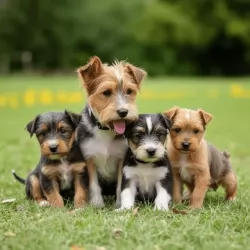 The Gully Terrier is a loyal, energetic, and intelligent breed with a strong, muscular build. Known for their protective nature, they make excellent guard dogs, staying alert and watchful of their surroundings.
While they are friendly and devoted to their family, they can also be independent and sometimes stubborn, requiring consistent training. Their short, dense coat is easy to groom, needing only regular brushing and ear cleaning.
Gully Terriers are active dogs that thrive on daily exercise and mental stimulation, making them great companions for those with an active lifestyle.
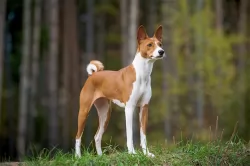 The Basenji is an affectionate dog with his family, but he doesn’t take kindly to strangers. If he is socialized when young, he’ll be fairly friendly with other pets in the family too. The Basenji is an intelligent dog but not particularly easy to train, and will require patience as he has a will of his own.
These short-haired dogs are clean-living with grooming habits similar to a cat. They shed just a little too. They love their human family and will make a good watchdog because they are courageous dogs, ready to defend what they love.
This is an unusual dog, and not everyone will appreciate him as a pet as he is independent, obstinate and determined to do his own thing. If you’re a single person or a family who spends a lot of time outdoors hiking, swimming and hunting – then the Basenji can make an affectionate devoted, loyal companion.
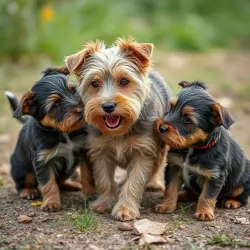 Like many medium to large-sized dogs, Gully Terriers can be prone to hip dysplasia, a condition where the hip joint doesn't develop properly, leading to arthritis and discomfort.
Due to their floppy or semi-erect ears, Gully Terriers can be more susceptible to ear infections. Regular ear cleaning and checking can help prevent this.
Their short coat can sometimes be prone to skin irritations, especially if they are exposed to harsh weather or poor hygiene. Allergies or parasite infestations (like fleas) can cause skin problems.
Gully Terriers are highly energetic, but they can be prone to obesity if they don't get enough exercise or are overfed. A balanced diet and regular activity are essential.
Some dogs in this breed may experience congenital eye issues like cataracts or progressive retinal atrophy (PRA), which can affect vision.
Regular vet check-ups to monitor joints, ears, and skin Consistent exercise to maintain a healthy weight Proper grooming to reduce risk of skin issues and ear infections
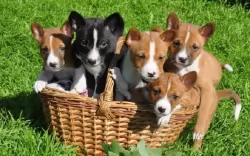 Basenji are generally healthy dogs. As with most other canines, these dogs are also prone to health disorders such as canine hip dysplasia. Check your Basenji for hereditary eye diseases which can lead to blindness.
This is a kidney disease where your pet will urinate out the protein he so badly needs. He’ll be excessively thirsty and the disease mostly sets in from 4 years of age. It is an inherited kidney disease which can be fatal.
Many health problems can be partially- or totally prevented by the way you raise your puppy, and the lifestyle you provide him with. By doing everything you can to give him good food, a dry, warm space to sleep, lots of activities and exercise and plenty of love and attention, you’ll have less health problems.
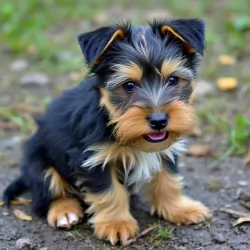 Caring for a Gully Terrier is straightforward but requires attention to their exercise, grooming, and training needs:
Gully Terriers are energetic and need daily exercise. Regular walks, runs, or play sessions will keep them happy and healthy.
They are smart and need activities that challenge their minds, like puzzle toys or training sessions.
Their short coat requires minimal care. Brush them once or twice a week and clean their ears regularly to prevent infections. Trim nails as needed.
Gully Terriers can be a bit independent, so start training early with positive reinforcement. Socialize them with people and other animals to avoid territorial behavior.
Feed them a balanced diet and control their portions to avoid weight gain. Regular vet check-ups will help keep them healthy.
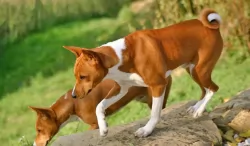 Basenjis are fastidious – much like a cat, and they like to be licking at their coats to keep themselves clean. They have a short coat, and this will need to be brushed once or twice a week to get rid of loose hairs and to also stimulated skin oils throughout the coat to keep it shiny and glossy.
As with all dog breeds, the Basenji‘s ears should be checked over and his nails regularly trimmed.
The Basenji needs high quality dog food, regardless of whether you food him commercially manufactured foods or you make your own. If you aren’t sure about how to feed a dog properly to maintain good health, speak to your veterinarian. Dog food needs to be appropriate to the dog’s age and his breed type. Certainly it can be wise to learn what human foods can be dangerous for your dog. Clean, fresh water from bowls which are regularly cleaned should be accessible at all times.