 MyDogBreeds
 Gully Terrier is originated from India but Basset Bleu de Gascogne is originated from France. Gully Terrier may grow 18 cm / 8 inches higher than Basset Bleu de Gascogne. Gully Terrier may weigh 17 kg / 38 pounds more than Basset Bleu de Gascogne. Both Gully Terrier and Basset Bleu de Gascogne has almost same life span. Gully Terrier may have more litter size than Basset Bleu de Gascogne. Both Gully Terrier and Basset Bleu de Gascogne requires Moderate maintenance.
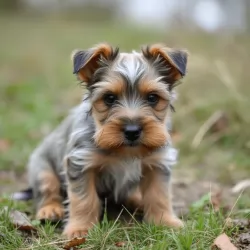 The Gully Terrier originated in India as a street dog, a mix of indigenous Indian Pariah Dogs and bully breeds like Pit Bulls and American Bulldogs.
Developed primarily for protection and hunting, they were used as guard dogs in urban and semi-urban areas. The name "Gully" refers to the narrow alleys and streets where these dogs were often found, while "Bully" highlights their muscular, strong build inherited from bully breeds.
Known for their loyalty, alertness, and protective instincts, Gully Terriers became valued companions for families in need of a strong, resilient dog that could thrive in tough environments.
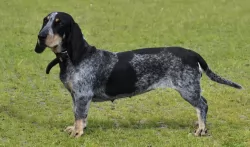 The Basset Bleu de Gascogne is an old breed and also one of the most reserved of the Basset family. The Basset Bleu de Gascogne’s history can be traced back to the 14th century, originating in the region of Gascony, France. At one time there were very few of these dogs and Alain Bourbon began doing something about this in the early 20th century, although he didn’t document his breeding practices . There are theories though and one was that he bred a few of the very first Basset Bleu de Gascognes with the Basset Saintongeois and the Grand Bleu de Gascogne.
Today the Basset Bleu de Gascogne is rarely found anywhere beyond France’s borders and there are only a few clubs for the Basset Bleu de Gascogne.
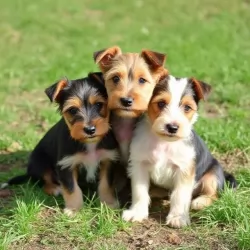 The Gully Terrier is a medium-sized, muscular dog known for its agility, loyalty, and protective nature. With a short, dense coat that comes in various colors, including black, brown, tan, and white, this breed has a distinctive appearance, often with a strong, powerful build.
The Gully Terrier is highly energetic and requires regular exercise to stay happy and healthy. Its intelligent, alert, and sometimes independent nature makes it a great guard dog and companion, although consistent training is necessary to manage its strong-willed personality.
This breed is well-suited for active families or individuals looking for a devoted and protective dog with a loving but protective demeanor.
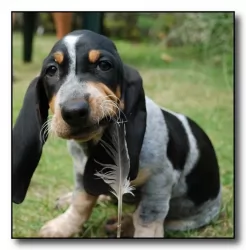 The Basset Bleu de Gascogne today is a striking looking hound, and is the most reserved o the Basset breeds. When you look at him, their general appearance is large but not too heavy. Long of build, his height at the withers is about 30 – 38cm, and he weighs up to 18kg.
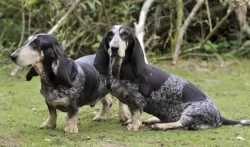
He has short legs, thick bones, long floppy ears and dark brown, sad eyes, but is still agile and able to get around quickly. This particular Basset has a short, smooth, dense coat which is black with a white mottled pattern and some tan marking around the feet and face. You’ll most times notice black patches over his ears and sides of his head and there will typically be a white blaze on his skull.
The attractive Basset Bleu de Gascogne is one of 6 Basset Hound breeds, and this one is an energetic, lively dog who possesses a great sense of smell. Easy to train, he slots in well with his human family, wanting to please them all the time. They just love his dark, sorrowful brown eyes and the gentle expression on his face. With his deep bark, he tries to talk to his family. He is fairly easy to train, and with socialization and training he makes an exceptional pet.
Perhaps one aspect of the Basset family that doesn’t go down well with dog owners is their wandering nature. As a scenthound, he often gets the scent of something and wants to put his nose down and follow it. If you haven’t got a sturdy wall or fence around your property, he’ll just wander off.
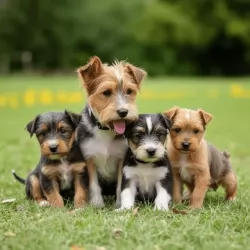 The Gully Terrier is a loyal, energetic, and intelligent breed with a strong, muscular build. Known for their protective nature, they make excellent guard dogs, staying alert and watchful of their surroundings.
While they are friendly and devoted to their family, they can also be independent and sometimes stubborn, requiring consistent training. Their short, dense coat is easy to groom, needing only regular brushing and ear cleaning.
Gully Terriers are active dogs that thrive on daily exercise and mental stimulation, making them great companions for those with an active lifestyle.
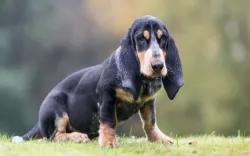 This smooth-coated breed with his low-set ears, his sad eyes, out-turned paws and gentle but intelligent pet make this dog an awesome, companionable pet. He is loyal, affectionate and devoted. They’re good with children and other pets, and can even make superb pets for older- or frail people who may lead a more sedentary lifestyle.
The Basset Bleu also sheds a bit less than their Basset Hound counterparts, although they do tend to shed throughout the year. He will require training, just like any dog really, but you don’t want to be harsh with training, as he is a gentle, sensitive dog.
Laid back, this dog which has always been an excellent hunter in days gone by, will make anyone a devoted, loyal friend.
 Like many medium to large-sized dogs, Gully Terriers can be prone to hip dysplasia, a condition where the hip joint doesn't develop properly, leading to arthritis and discomfort.
Due to their floppy or semi-erect ears, Gully Terriers can be more susceptible to ear infections. Regular ear cleaning and checking can help prevent this.
Their short coat can sometimes be prone to skin irritations, especially if they are exposed to harsh weather or poor hygiene. Allergies or parasite infestations (like fleas) can cause skin problems.
Gully Terriers are highly energetic, but they can be prone to obesity if they don't get enough exercise or are overfed. A balanced diet and regular activity are essential.
Some dogs in this breed may experience congenital eye issues like cataracts or progressive retinal atrophy (PRA), which can affect vision.
Regular vet check-ups to monitor joints, ears, and skin Consistent exercise to maintain a healthy weight Proper grooming to reduce risk of skin issues and ear infections
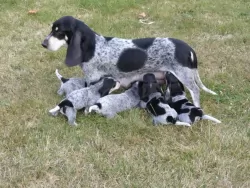 A great aspect with Basset Bleus is that they have very few health issues and are quite laid back. They can easily get to 14 years of age and older with good nutrition and exercise. Nothing is set in stone however, and every breed can suddenly develop health problems.
Dogs like this with a deep chest can be prone to a condition known as gastric dilatation volvulus or bloat. This is a condition not to be taken lightly as it can be life threatening. Gastric dilatation volvulus means twisted stomach because of excessive gas or flatulence and your dog will require prompt treatment.
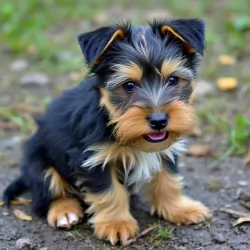 Caring for a Gully Terrier is straightforward but requires attention to their exercise, grooming, and training needs:
Gully Terriers are energetic and need daily exercise. Regular walks, runs, or play sessions will keep them happy and healthy.
They are smart and need activities that challenge their minds, like puzzle toys or training sessions.
Their short coat requires minimal care. Brush them once or twice a week and clean their ears regularly to prevent infections. Trim nails as needed.
Gully Terriers can be a bit independent, so start training early with positive reinforcement. Socialize them with people and other animals to avoid territorial behavior.
Feed them a balanced diet and control their portions to avoid weight gain. Regular vet check-ups will help keep them healthy.
 With his short coat, shedding isn’t a huge issue with the Basset Bleu. He sheds seasonally and then you will definitely have to brush him at least twice a week to get rid of all that loose hair.
Some dog owners don’t get used to the slobbering of these dogs. Certainly, you will need to change his drinking water often because of this slobbering of his. It can result in the water containing viruses and bacteria which can cause infections in your dog.
These dogs tend to be lazy at home, so it will be up to you to see that he gets a good quota of exercise to prevent him becoming fat and prone to more illnesses. The backs, especially with added weight, can cause problems and this kind of dog shouldn’t be encouraged to jump off beds and couches.