 MyDogBreeds
 Gully Terrier is originated from India but Basset Hound is originated from France. Gully Terrier may grow 18 cm / 8 inches higher than Basset Hound. Gully Terrier may weigh 6 kg / 14 pounds more than Basset Hound. Gully Terrier may live 3 years more than Basset Hound. Both Gully Terrier and Basset Hound has same litter size. Both Gully Terrier and Basset Hound requires Moderate maintenance.
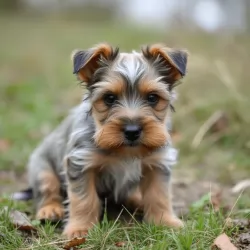 The Gully Terrier originated in India as a street dog, a mix of indigenous Indian Pariah Dogs and bully breeds like Pit Bulls and American Bulldogs.
Developed primarily for protection and hunting, they were used as guard dogs in urban and semi-urban areas. The name "Gully" refers to the narrow alleys and streets where these dogs were often found, while "Bully" highlights their muscular, strong build inherited from bully breeds.
Known for their loyalty, alertness, and protective instincts, Gully Terriers became valued companions for families in need of a strong, resilient dog that could thrive in tough environments.
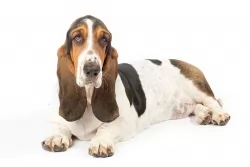 The Basset is a French dog bred in Great Britain in the late 1800s. The history of the Basset goes way back to ancient times as there have been discoveries of short legged dogs found in the catacombs of Egypt. These dogs also became popular during Emperor Napoleon III’s reign. Controlled breeding of the Basset began in France in 1870.
Hunting was popular with noblemen during the Middle Ages, and Francois Hubert bred hounds for this purpose. After his death, in his honor, the monks named the hounds bred at the monastery the St. Hubert's Hound. It is accepted that the St. Hubert's Hound is an early ancestor of many hound breeds that we see today.
French Bassets were imported into England in the 1870s. Everett Millais, thought to be the father of the modern Basset Hound, bred such dog to a Bloodhound to create a heavier Basset. The puppies were later refined with English- and French Bassets, and the first breed standard for the Basset Hound was made in the UK at the end of 19th century. To this day, many cartoon dogs are based on this extraordinary looking dog, and they also appear in adverts, a popular one being the logo for Hush Puppies, a shoe brand.
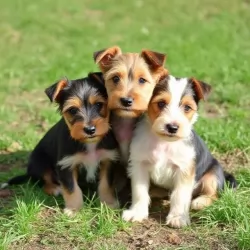 The Gully Terrier is a medium-sized, muscular dog known for its agility, loyalty, and protective nature. With a short, dense coat that comes in various colors, including black, brown, tan, and white, this breed has a distinctive appearance, often with a strong, powerful build.
The Gully Terrier is highly energetic and requires regular exercise to stay happy and healthy. Its intelligent, alert, and sometimes independent nature makes it a great guard dog and companion, although consistent training is necessary to manage its strong-willed personality.
This breed is well-suited for active families or individuals looking for a devoted and protective dog with a loving but protective demeanor.
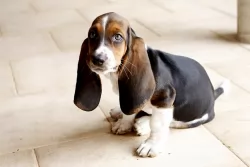 The Basset Hound is a scent hound, a short-legged breed of dog belonging to the hound family. He is renowned for his long body, his loose skin and the very characteristic long, droopy, low-set ears. This is also a dog that drools a lot. The Basset Hound stands only 33 – 38 cm in height. You wouldn’t call him a small dog as he is robust and solid, weighing anything from 18 to 30kg. The Basset Hound is also well known for his eyes, where the red of the lower eyelid shows. Their calm, serious expression is also a familiar and much loved feature of these dogs.
The Basset is a short-haired dog, but in spite of that he sheds constantly. Coat colors can vary but the most common colors are white, tan and black – a tri-color coat.
This scent hound is a friendly canine, outgoing and playful. He gets on well with children and other pets in the family, and training and socialization can make him even more amicable with them. He adapts easily to life in the city or in the country.
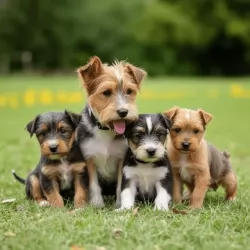 The Gully Terrier is a loyal, energetic, and intelligent breed with a strong, muscular build. Known for their protective nature, they make excellent guard dogs, staying alert and watchful of their surroundings.
While they are friendly and devoted to their family, they can also be independent and sometimes stubborn, requiring consistent training. Their short, dense coat is easy to groom, needing only regular brushing and ear cleaning.
Gully Terriers are active dogs that thrive on daily exercise and mental stimulation, making them great companions for those with an active lifestyle.
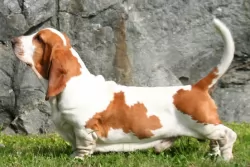 The Basset's long body with his short legs give him a unique look. Add to that this breed is among the most even-natured and easy-going. It is why he makes such a cool pet. While he adapts well to both city living and country living, you can’t afford to let him become a couch potato. Sitting around and eating consistently will just make your best friend sick and increase your medical bills for him.
The amicable Basset Hound is child friendly and because he isn’t particularly territorial, he will be alright with your other pets too. If you're looking for a wonderful friend who will be loyal to you, the Basset is waiting to fill the role of companion for you.
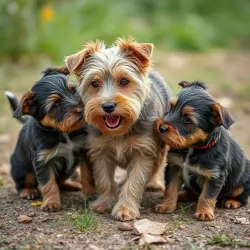 Like many medium to large-sized dogs, Gully Terriers can be prone to hip dysplasia, a condition where the hip joint doesn't develop properly, leading to arthritis and discomfort.
Due to their floppy or semi-erect ears, Gully Terriers can be more susceptible to ear infections. Regular ear cleaning and checking can help prevent this.
Their short coat can sometimes be prone to skin irritations, especially if they are exposed to harsh weather or poor hygiene. Allergies or parasite infestations (like fleas) can cause skin problems.
Gully Terriers are highly energetic, but they can be prone to obesity if they don't get enough exercise or are overfed. A balanced diet and regular activity are essential.
Some dogs in this breed may experience congenital eye issues like cataracts or progressive retinal atrophy (PRA), which can affect vision.
Regular vet check-ups to monitor joints, ears, and skin Consistent exercise to maintain a healthy weight Proper grooming to reduce risk of skin issues and ear infections
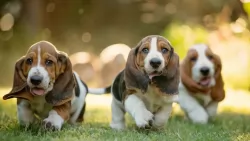 The Basset Hound is a pretty robust breed and with proper nutrition and exercise, can live up to 12 years of age but this particular breed is prone to some major health conditions.
Cherry Eye is seen quite often in Basset Hounds. It is very painful because the tear gland tears away and it will require surgery before infection sets in. Also, glaucoma is an inherited eye disease that needs to be checked out as it can lead to blindness. The eye is red and the dog is constantly rubbing at it.
This is when the cartilage in the Basset’s joints don’t attach to the bone properly. It is known as osteochondritis dissecans or OCD. Be careful to stick to the recommended growth rate suggestions for feeding with a Basset puppy.
Basset Hounds are more prone to a heart condition known as dilated cardiomyopathy, or DCM. It is where the heart becomes large and weak so that it battles to pump blood to the body.
Other illnesses to look out for are Canine Hip Dysplasia and obesity.
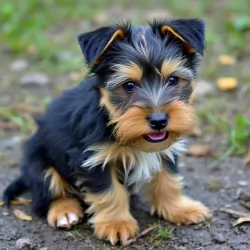 Caring for a Gully Terrier is straightforward but requires attention to their exercise, grooming, and training needs:
Gully Terriers are energetic and need daily exercise. Regular walks, runs, or play sessions will keep them happy and healthy.
They are smart and need activities that challenge their minds, like puzzle toys or training sessions.
Their short coat requires minimal care. Brush them once or twice a week and clean their ears regularly to prevent infections. Trim nails as needed.
Gully Terriers can be a bit independent, so start training early with positive reinforcement. Socialize them with people and other animals to avoid territorial behavior.
Feed them a balanced diet and control their portions to avoid weight gain. Regular vet check-ups will help keep them healthy.
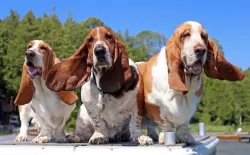 Watching his diet. He will need quality, nutritious food and plenty of exercise.
It is also a good idea to get into the habit of brushing his teeth a couple of times a week with a special dog toothbrush and toothpaste. Never use toothpaste made for humans.
Clean his long ears and keep them dry. The vet will show you precisely how.
Be sure to see that he get his puppy vaccinations, and that you continue to give him vet check-ups when he shows signs of sickness.
He has low grooming needs but brush his coat twice a week to get rid of dull, loose hairs.
He is a smart, active dog with lots of energy so set aside time to have ball games with him and to get him out of the yard with walks.