 MyDogBreeds
 Gully Terrier is originated from India but Bedlington Terrier is originated from United Kingdom. Gully Terrier may grow 12 cm / 5 inches higher than Bedlington Terrier. Gully Terrier may weigh 24 kg / 53 pounds more than Bedlington Terrier. Both Gully Terrier and Bedlington Terrier has almost same life span. Both Gully Terrier and Bedlington Terrier has almost same litter size. Gully Terrier requires Moderate maintenance. But Bedlington Terrier requires Low maintenance
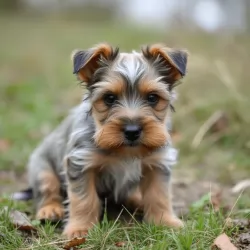 The Gully Terrier originated in India as a street dog, a mix of indigenous Indian Pariah Dogs and bully breeds like Pit Bulls and American Bulldogs.
Developed primarily for protection and hunting, they were used as guard dogs in urban and semi-urban areas. The name "Gully" refers to the narrow alleys and streets where these dogs were often found, while "Bully" highlights their muscular, strong build inherited from bully breeds.
Known for their loyalty, alertness, and protective instincts, Gully Terriers became valued companions for families in need of a strong, resilient dog that could thrive in tough environments.
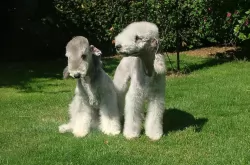
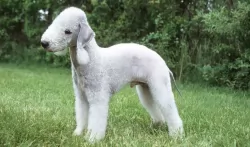 Originally known as Rodbury Terriers or Rothbury’s Lambs, and renowned for looking like a lamb, the Bedlington Terrier was bred in the village of Bedlington in Northumberland. They’ve had other names too and were also known as ‘gypsy dogs’ and this is because gypsies used them to hunt.
The Bedlington Terrier Club was established in 1875 and the National Bedlington Terrier Club was formed in England in 1877. The breed has links with the Dandie Dinmont Terrier, the Kerry Blue Terrier and the Soft Coated Wheaten Terrier. When you look at the slightly arched back, it could also be related to the Whippet. They have been crossed with Whippets to get that speed, and feisty character.
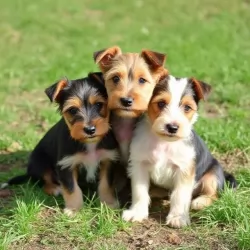 The Gully Terrier is a medium-sized, muscular dog known for its agility, loyalty, and protective nature. With a short, dense coat that comes in various colors, including black, brown, tan, and white, this breed has a distinctive appearance, often with a strong, powerful build.
The Gully Terrier is highly energetic and requires regular exercise to stay happy and healthy. Its intelligent, alert, and sometimes independent nature makes it a great guard dog and companion, although consistent training is necessary to manage its strong-willed personality.
This breed is well-suited for active families or individuals looking for a devoted and protective dog with a loving but protective demeanor.
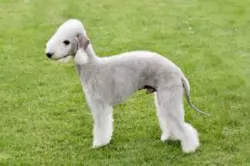 Don’t let their lamb-like appearance fool you – the Bedlington Terrier is a plucky dog who has some amazing speeds when it comes to swimming and running. This is an intelligent dog too and every bit a Terrier in spirit. Their tenacity has seen them being used in dog fighting as well.
The Bedlington Terrier stands at about 41cm in height and weighs between 8 – 10kg. Muscular, with a deep chest, graceful and lithe, not only does he look like a lamb but the dog’s expression is gentle too with bright deep-set eyes. When it comes to his coat, the dogs have blue, sandy or liver color coats and the coat has tan markings in some areas.
The coat is shaggy and is made up of hard- and soft hair that will need to be regularly trimmed. Known as a hypoallergenic breed, the coat is also described as thick and linty. The ears are floppy with rounded tips, and are thin and velvety in texture with a small silky tassel at the tip. The longish tail is set low and tapers down to a point.
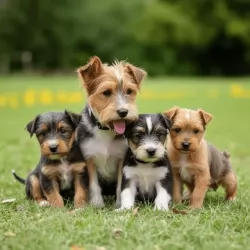 The Gully Terrier is a loyal, energetic, and intelligent breed with a strong, muscular build. Known for their protective nature, they make excellent guard dogs, staying alert and watchful of their surroundings.
While they are friendly and devoted to their family, they can also be independent and sometimes stubborn, requiring consistent training. Their short, dense coat is easy to groom, needing only regular brushing and ear cleaning.
Gully Terriers are active dogs that thrive on daily exercise and mental stimulation, making them great companions for those with an active lifestyle.
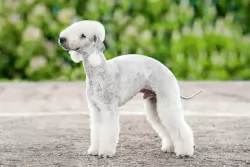 You can’t miss the Bedlington Terrier – he has a striking resemblance to a lamb. The curly coat is interesting too – a mix of hard- and soft hair. He is friendly, loyal and devoted to his human family and is known to be a brave, courageous, feisty dog with the inclination to bark more. Socialization and training can change this though. He gets on well with children and other pets in the home. He isn’t aggressive but if taunted, he can put up a good fight.
This is a dog that can adapt to his surroundings so he slots in well to both city- and country living. Wherever he lives, he will need adequate exercise.
The present-day Bedlington Terrier, inducted by the American Kennel Club in 1967, is not a lamb by any means, and by choosing to have him as your pet, you’ll be amazed at his wonderful qualities that make him such in ideal companion.
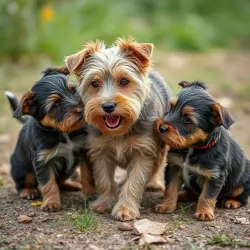 Like many medium to large-sized dogs, Gully Terriers can be prone to hip dysplasia, a condition where the hip joint doesn't develop properly, leading to arthritis and discomfort.
Due to their floppy or semi-erect ears, Gully Terriers can be more susceptible to ear infections. Regular ear cleaning and checking can help prevent this.
Their short coat can sometimes be prone to skin irritations, especially if they are exposed to harsh weather or poor hygiene. Allergies or parasite infestations (like fleas) can cause skin problems.
Gully Terriers are highly energetic, but they can be prone to obesity if they don't get enough exercise or are overfed. A balanced diet and regular activity are essential.
Some dogs in this breed may experience congenital eye issues like cataracts or progressive retinal atrophy (PRA), which can affect vision.
Regular vet check-ups to monitor joints, ears, and skin Consistent exercise to maintain a healthy weight Proper grooming to reduce risk of skin issues and ear infections
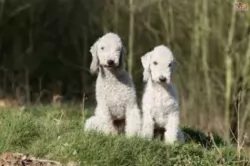 Bedlington Terriers are a healthy breed, but just like other dogs, they are prone to some common dog illnesses. You can always ensure that your Bedlington reaches his 12 – 14 years of age lifespan by ensuring his vaccines are kept up to date, that he is fed excellent food and fresh water, he is exercised and that he is loved and cherished. Also, if you’re looking to buy a Bedlington, find a reputable breeder.
Some common health issues to look out for in your Bedlington Terrier include -
Hip dysplasia
Different eye diseases
Hypothyroidism
Copper storage hepatopathy or Liver Disease – this is a disease which can be inherited and where large amounts of copper accumulate in the tissues of the liver. The result is inflammation and cell damage and this can lead to liver failure and even death. Abdominal swelling, jaundice and weight loss are symptoms to watch for with this disease.
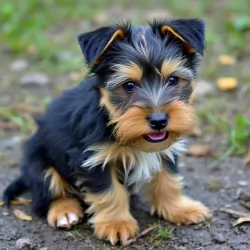 Caring for a Gully Terrier is straightforward but requires attention to their exercise, grooming, and training needs:
Gully Terriers are energetic and need daily exercise. Regular walks, runs, or play sessions will keep them happy and healthy.
They are smart and need activities that challenge their minds, like puzzle toys or training sessions.
Their short coat requires minimal care. Brush them once or twice a week and clean their ears regularly to prevent infections. Trim nails as needed.
Gully Terriers can be a bit independent, so start training early with positive reinforcement. Socialize them with people and other animals to avoid territorial behavior.
Feed them a balanced diet and control their portions to avoid weight gain. Regular vet check-ups will help keep them healthy.
 The Bedlington Terrier is a lively, cheerful companion at home and is somewhat more relaxed than other terrier breeds. Affectionate and loyal, he just loves to spend time with his human family. He’ll love to be your companion on a walk and he gets delighted when you’re ready to play ball games with him. He makes a great friend for children too, and even though he makes a good watchdog, he will welcome any visitors you have. When trained and socialized he becomes an obedient, well behaved member of the family.
The Bedlington coat sheds a little but the rough coat will need to be trimmed regularly and the coat brushed twice a week to ensure no tangling and to remove loose hairs. Also, regular cleaning of teeth and ears can help ensure that harmful bacteria doesn’t build up, ensuring the overall health of your dog.