 MyDogBreeds
 Gully Terrier is originated from India but Belgian Shepherd Dog (Malinois) is originated from Belgium. Gully Terrier may grow 10 cm / 3 inches shorter than Belgian Shepherd Dog (Malinois). Both Gully Terrier and Belgian Shepherd Dog (Malinois) are having almost same weight. Both Gully Terrier and Belgian Shepherd Dog (Malinois) has almost same life span. Both Gully Terrier and Belgian Shepherd Dog (Malinois) has almost same litter size. Gully Terrier requires Moderate maintenance. But Belgian Shepherd Dog (Malinois) requires Low maintenance
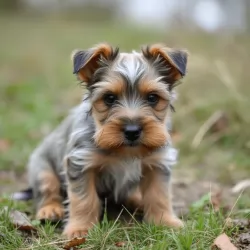 The Gully Terrier originated in India as a street dog, a mix of indigenous Indian Pariah Dogs and bully breeds like Pit Bulls and American Bulldogs.
Developed primarily for protection and hunting, they were used as guard dogs in urban and semi-urban areas. The name "Gully" refers to the narrow alleys and streets where these dogs were often found, while "Bully" highlights their muscular, strong build inherited from bully breeds.
Known for their loyalty, alertness, and protective instincts, Gully Terriers became valued companions for families in need of a strong, resilient dog that could thrive in tough environments.
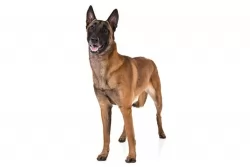 The Belgian Malinois is one of 4 Belgian Shepherd varieties. The dogs were developed- and hail from Belguim. The Malinois has a short, fawn colored coat. The American Kennel Club recognizes that the Malinois is a separate breed from the other 3 varieties. It was in 1892 that Professor Reul wrote the first Belgian Shepherd Dog standard, recognizing 3 varieties – dogs with short coats, dogs with long coats and dogs with rough coats.
Today's Malinois goes back to a breeding pair owned by Adrien Janssens. It was in 1885 that he bought a fawn, rough-haired dog, breeding the dog with a short-haired dog named Lise de Laeken. After other breedings, the two dogs were recognized as ancestors of the modern Belgian Shepherd Dogs.
The city of Malines formed a club for the promotion of these fawn short hairs and the name Malinois became synonymous with them. In March 1992, the American Belgian Malinois Club received AKC parent club status.
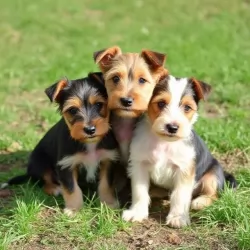 The Gully Terrier is a medium-sized, muscular dog known for its agility, loyalty, and protective nature. With a short, dense coat that comes in various colors, including black, brown, tan, and white, this breed has a distinctive appearance, often with a strong, powerful build.
The Gully Terrier is highly energetic and requires regular exercise to stay happy and healthy. Its intelligent, alert, and sometimes independent nature makes it a great guard dog and companion, although consistent training is necessary to manage its strong-willed personality.
This breed is well-suited for active families or individuals looking for a devoted and protective dog with a loving but protective demeanor.
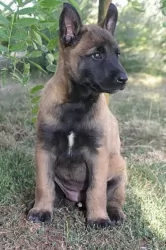 The Malinois is a medium-size Belgian shepherd dog. People sometimes mistake them for the German Shepherd as they are fairly similar to look at. The Malinois however is a smaller, lighter boned dog with naturally upright ears and a black-masked face. He is shorthaired and fawn-colored with black tips on the hairs, although other colors are brown or red too. He is an intelligent and active dog, always having been used for herding-, police- and rescue work.
You’ll find the Malinois somewhat unpredictable as some are friendly and confident while other can be shy and withdrawn around strangers. This is a dog who loves to be around his human family, but to bring out the best in him, training and socialization classes will be necessary. Well-socialized Malinois are always good with children and other pets, more so if they’ve been raised with them.
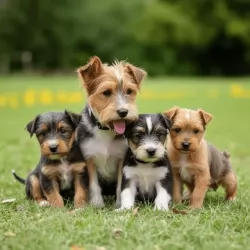 The Gully Terrier is a loyal, energetic, and intelligent breed with a strong, muscular build. Known for their protective nature, they make excellent guard dogs, staying alert and watchful of their surroundings.
While they are friendly and devoted to their family, they can also be independent and sometimes stubborn, requiring consistent training. Their short, dense coat is easy to groom, needing only regular brushing and ear cleaning.
Gully Terriers are active dogs that thrive on daily exercise and mental stimulation, making them great companions for those with an active lifestyle.
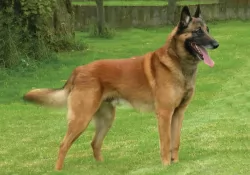 The Belgian Malinois makes a wonderful guard dog and he works hard to ensure that his human family, whom he adores, are well protected under his watch. They’re such intelligent dogs too that you may feel inclined to pass over some of your chores to him.
He responds well to training, and to get the best from this breed, start with training and socialization as soon as you bring your puppy home.
Socialization is excellent as it introduces your puppy to different people, animals as well as situations.
He is an adaptable dog and can live in an apartment if he is well exercised. He can be your devoted and loyal friend for a good number of years but you will have to do your part in providing him with the best care possible.
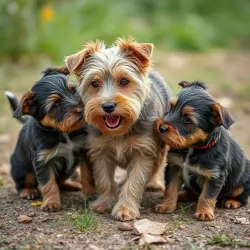 Like many medium to large-sized dogs, Gully Terriers can be prone to hip dysplasia, a condition where the hip joint doesn't develop properly, leading to arthritis and discomfort.
Due to their floppy or semi-erect ears, Gully Terriers can be more susceptible to ear infections. Regular ear cleaning and checking can help prevent this.
Their short coat can sometimes be prone to skin irritations, especially if they are exposed to harsh weather or poor hygiene. Allergies or parasite infestations (like fleas) can cause skin problems.
Gully Terriers are highly energetic, but they can be prone to obesity if they don't get enough exercise or are overfed. A balanced diet and regular activity are essential.
Some dogs in this breed may experience congenital eye issues like cataracts or progressive retinal atrophy (PRA), which can affect vision.
Regular vet check-ups to monitor joints, ears, and skin Consistent exercise to maintain a healthy weight Proper grooming to reduce risk of skin issues and ear infections
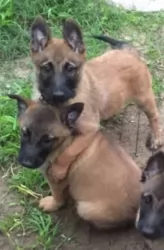 Belgian Malinois are generally healthy dogs. However every dog, regardless of breed, can pick up illnesses, and it is always wise to be aware of some of the diseases your Malinois might face.
An inherited condition where the thigh bone doesn't fit properly into the hip joint. As the dog ages, arthritis can develop.
A degenerative eye disorder that can lead to blindness.
Brush his teeth at least 2 or 3 times a week to remove tartar build-up. Too much plague leads to inflamed gums, bad breath, pus inside the mouth and even loss of teeth.
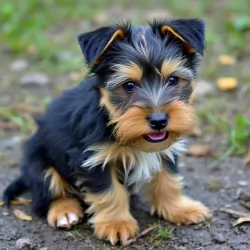 Caring for a Gully Terrier is straightforward but requires attention to their exercise, grooming, and training needs:
Gully Terriers are energetic and need daily exercise. Regular walks, runs, or play sessions will keep them happy and healthy.
They are smart and need activities that challenge their minds, like puzzle toys or training sessions.
Their short coat requires minimal care. Brush them once or twice a week and clean their ears regularly to prevent infections. Trim nails as needed.
Gully Terriers can be a bit independent, so start training early with positive reinforcement. Socialize them with people and other animals to avoid territorial behavior.
Feed them a balanced diet and control their portions to avoid weight gain. Regular vet check-ups will help keep them healthy.
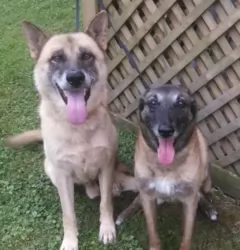 Because the Malinois is a constant shedder, with a couple of heavy shedding periods during the year, you’ll need to be conscientious with his grooming and brush him at least twice a week to get rid of loose hairs and to give his thick coat a glossy, healthy look to it.
Because of their high energy, Malinois aren’t recommended for couch-potato type owners. It will be cruel to buy such a dog and to leave him to waste away with boredom and frustration in your back yard. He’ll want lots of rough and tumble, ball games, runs in the park or in the country and long walks.
Belgian Shepherd Malinois puppies are vulnerable when they’re tiny, and it would be wise to speak to your vet about superb nutrition to build up a puppy’s immune system.
An excellent way to ensure the health of your growing Malinois is to give him a home prepared meals along with commercially manufactured food recommended by your vet. You can’t just put a bowl of commercially manufactured dog food in front of him day after day month after month.
Apart from what your vet recommends, give him some brown rice, some cooked vegetables and some raw meat. Raw meat will ensure he can fight of skin infections. The age of the dog, emotional state and environmental influences can all play a role in skin diseases with dogs, but by ensuring some raw meat in his diet, the immune system is strengthened and skin disorders are eliminated. Always ensure a steady supply of fresh water.