 MyDogBreeds
 Gully Terrier is originated from India but Bernedoodle is originated from Canada. Gully Terrier may grow 13 cm / 6 inches higher than Bernedoodle. Gully Terrier may weigh 6 kg / 13 pounds lesser than Bernedoodle. Both Gully Terrier and Bernedoodle has same life span. Both Gully Terrier and Bernedoodle has almost same litter size. Both Gully Terrier and Bernedoodle requires Moderate maintenance.
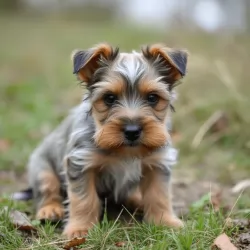 The Gully Terrier originated in India as a street dog, a mix of indigenous Indian Pariah Dogs and bully breeds like Pit Bulls and American Bulldogs.
Developed primarily for protection and hunting, they were used as guard dogs in urban and semi-urban areas. The name "Gully" refers to the narrow alleys and streets where these dogs were often found, while "Bully" highlights their muscular, strong build inherited from bully breeds.
Known for their loyalty, alertness, and protective instincts, Gully Terriers became valued companions for families in need of a strong, resilient dog that could thrive in tough environments.
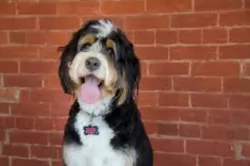 The Bernedoodle is a hybrid cross between the Bernese Mountain Dog and the Standard Poodle. They have been around for many, many years but the first official” cross between the two breeds came from Sherry Rupke out of SwissRidge Kennels. The first Bernedoodle were achieved in 2003. She now has an entire breeding program for this hybrid.
A bernedoodle or a first generation is a cross between a purebred a purebred Poodle and a purebred Bernese Mountain Dog. This is a 50/50 mix. This mix is a very low shedding dog and though no dog is hypoallergenic, the Bernedoodle is as close as it gets. If the cross is true between two purebred dogs, the new breed will have the calm, sweet demeanor of the Bernese Mountain Dog and the intelligent, goofy, playfulness of the Poodle. At the same time the Bernedoodle is a hybrid so there will not be two exactly alike.
With purebred dogs you get a lot of consistency from one dog to another. Not so with the Bernedoodle. Each one will be a little different. Sometimes a hybrid dog can be healthier than their parents. Other times there can be health issues with hybrid. It is all about the breeder and if they breed for the right health traits.
If the breeder is conscientious enough the pup will have the best characteristics of both original breeds. Therefore, the Bernedoodle is happy, smart, playful, friendly and social. Sometimes the breeding doesn’t go as planned and you can end up with a Bernedoodle with the stubbornness of the Bernese or the hyper activity of the poodle. As a new cross breed, the Bernedoodle is not recognized by the American Kennel Club because it is a hybrid. They are recognized by the International Designer Canine Registry, The American Canine Hybrid Club, The Designer Dogs Kennel Club.
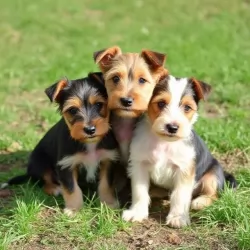 The Gully Terrier is a medium-sized, muscular dog known for its agility, loyalty, and protective nature. With a short, dense coat that comes in various colors, including black, brown, tan, and white, this breed has a distinctive appearance, often with a strong, powerful build.
The Gully Terrier is highly energetic and requires regular exercise to stay happy and healthy. Its intelligent, alert, and sometimes independent nature makes it a great guard dog and companion, although consistent training is necessary to manage its strong-willed personality.
This breed is well-suited for active families or individuals looking for a devoted and protective dog with a loving but protective demeanor.
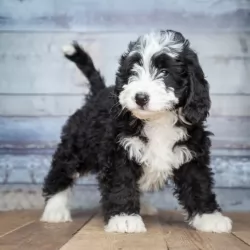 Since the Bernedoodle is a hybrid and not an AKC recognized breed, there is no set-in stone breed standard. There are three sizes of Bernedoodles and at least three generations. All of these should be strong boned dogs with powerful and compact bodies. They have log ears, button eyes and a triangle shaped muzzle. The tail is long and bushy, and the coat is medium to long.
There is no standard color, but the most common color is black and white or tri like the Bernese Mountain Dog. They can also be black and brown, sable or merle. The coat is wavy or curly like the poodle.
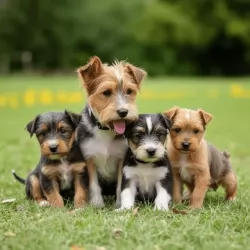 The Gully Terrier is a loyal, energetic, and intelligent breed with a strong, muscular build. Known for their protective nature, they make excellent guard dogs, staying alert and watchful of their surroundings.
While they are friendly and devoted to their family, they can also be independent and sometimes stubborn, requiring consistent training. Their short, dense coat is easy to groom, needing only regular brushing and ear cleaning.
Gully Terriers are active dogs that thrive on daily exercise and mental stimulation, making them great companions for those with an active lifestyle.
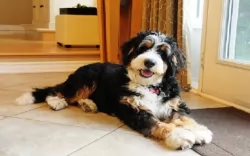 This is a very social dog that needs to be with people. If you don’t have a lot of time for a dog, then this is not the one for you. He is gentle, calm and affectionate. He is intelligent and sometimes stubborn. They need to be socialized early in life and they will be great with kids and other small animals. They tend to be very playful. Toys and minis have more energy, more stubbornness and more of the poodle divaness.
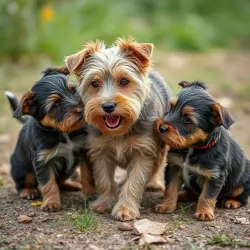 Like many medium to large-sized dogs, Gully Terriers can be prone to hip dysplasia, a condition where the hip joint doesn't develop properly, leading to arthritis and discomfort.
Due to their floppy or semi-erect ears, Gully Terriers can be more susceptible to ear infections. Regular ear cleaning and checking can help prevent this.
Their short coat can sometimes be prone to skin irritations, especially if they are exposed to harsh weather or poor hygiene. Allergies or parasite infestations (like fleas) can cause skin problems.
Gully Terriers are highly energetic, but they can be prone to obesity if they don't get enough exercise or are overfed. A balanced diet and regular activity are essential.
Some dogs in this breed may experience congenital eye issues like cataracts or progressive retinal atrophy (PRA), which can affect vision.
Regular vet check-ups to monitor joints, ears, and skin Consistent exercise to maintain a healthy weight Proper grooming to reduce risk of skin issues and ear infections
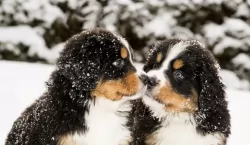 Because the breed is so new and bred pure so far, there is not a lot of information about their health or their life span. Even as they seem to have less issues than their parents – the Bernese cancer issue for example does not seem to plague the Bernedoodle. However, that does not mean they don’t have issues. They are still prone to some serious issues.
Skin issues, hip and elbow dysplasia, and eye issues are prevalent in this new breed. They have a tendency toward hot spots and sometimes allergies. Asks a reputable breeder if they have tested the parents and the puppies for dysplasia and eye issues.
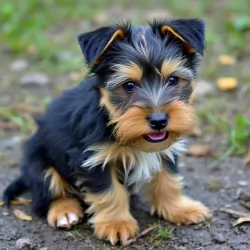 Caring for a Gully Terrier is straightforward but requires attention to their exercise, grooming, and training needs:
Gully Terriers are energetic and need daily exercise. Regular walks, runs, or play sessions will keep them happy and healthy.
They are smart and need activities that challenge their minds, like puzzle toys or training sessions.
Their short coat requires minimal care. Brush them once or twice a week and clean their ears regularly to prevent infections. Trim nails as needed.
Gully Terriers can be a bit independent, so start training early with positive reinforcement. Socialize them with people and other animals to avoid territorial behavior.
Feed them a balanced diet and control their portions to avoid weight gain. Regular vet check-ups will help keep them healthy.
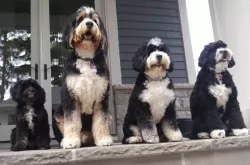 Since the Bernedoodle comes in three different sizes, there will be three different feeding regimens. No matter the size of your dog, feed them quality food twice a day. The standard is a big dog and should be fed as such but the toy and mini will eat a lot less. You can pretty much feed a standard Bernedoodle the same thing you feed a Bernese Mountain Dog. The Bernedoodle is a picky eater and you may have to change up their food at times to keep them interested.
Again, these are healthy dogs because the cross breed is so young. There are not a lot of genetic issues. As mentioned previously hip dysplasia, eye issues, elbow dysplasia and skin issues are possible.
This is a calm, not over active dog. They do not share the high energy level of the poodle but rather carry the calm, gentle energy of the Bernese. The toy and mini varieties tend to have a faster motor than the standard. They need daily walks no matter what their size is. They will need your attention regularly.