 MyDogBreeds
 Gully Terrier is originated from India but Bichon Frise is originated from Spain. Gully Terrier may grow 26 cm / 11 inches higher than Bichon Frise. Gully Terrier may weigh 25 kg / 56 pounds more than Bichon Frise. Gully Terrier may live 4 years less than Bichon Frise. Both Gully Terrier and Bichon Frise has almost same litter size. Gully Terrier requires Moderate maintenance. But Bichon Frise requires Low maintenance
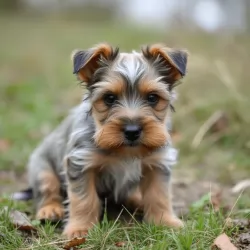 The Gully Terrier originated in India as a street dog, a mix of indigenous Indian Pariah Dogs and bully breeds like Pit Bulls and American Bulldogs.
Developed primarily for protection and hunting, they were used as guard dogs in urban and semi-urban areas. The name "Gully" refers to the narrow alleys and streets where these dogs were often found, while "Bully" highlights their muscular, strong build inherited from bully breeds.
Known for their loyalty, alertness, and protective instincts, Gully Terriers became valued companions for families in need of a strong, resilient dog that could thrive in tough environments.
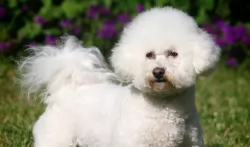 Contrary to the myths and many of the tales of the history of the Bichon Frise, the breed was originally developed in Spain. Later specific trait development occurred in France to give us the lap dog Bichon Frise that we know today. The original Spanish dog – the Bichon – was a water – sailing dog. It was descended from the poodle breeds crossed with either the water spaniels or the Barbet. These early dogs were friendly and happy and because of this, sailors carried them with them on their ships and even bartered them for supplies. Prior to the 14th century the Spanish probably brought them to the Canary Islands. Later in the 14th century they we discovered again by Italian sailors who returned them to Europe where they lived in the courts of the nobility. During the Renaissance and after the French fell in love with the breed while the Spanish continue to enjoy their presence.
In the late 19th century in France the breed fell out of popularity and became street dogs and circus and fair dogs. They also worked with organ grinders and assisted the blind. In the early 20th century, the Societe Centrale Canine, the National Kennel Club of France, adopted the breed’s official standard – while they were still known as both the Bichon and the Tenerife. The popularity of the breed at this time is heavily attributed to “The Adventures of TinTIn” , by Herge, which featured a small, white, fluffy fox terrier. Then the president of the Federation Cynoloqique Internationale presented a new name for the breed based on its characteristics. The name Bichon Frise kept the Bichon heritage and added “curly” the meaning of Frise. Under this name the breed was admitted to the Societe Centrale Canine stud book in October of 1934.
The Bichon Frise came to the United States for the first time in 19554 and was admitted to the American Kennel Club Stud Book in 1972. They entered the non-sporting group of the AKC in 1973. By 2001 the Bichon Frise, J.R., won the Westminster Dog Show. In 1976, the Bichon Frise came to Australia, imported by Harry and Margaret Begg who oversaw the growth of the breed there. Today there are 4 separate breeds believed to be descended from the original Bichon/Tenerife breeds – the Bichon Frise, the Bichon Bolognaise, the Maltese and the Havanese.
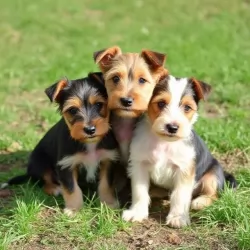 The Gully Terrier is a medium-sized, muscular dog known for its agility, loyalty, and protective nature. With a short, dense coat that comes in various colors, including black, brown, tan, and white, this breed has a distinctive appearance, often with a strong, powerful build.
The Gully Terrier is highly energetic and requires regular exercise to stay happy and healthy. Its intelligent, alert, and sometimes independent nature makes it a great guard dog and companion, although consistent training is necessary to manage its strong-willed personality.
This breed is well-suited for active families or individuals looking for a devoted and protective dog with a loving but protective demeanor.
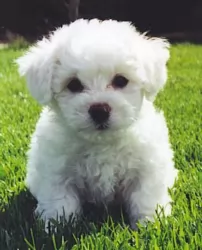 The modern Bichon Frise is a white, small dog with a round skull and muzzle. The nose should be black and the eyes round and dark. Depending on the size of the dog, the legs and head are proportionate to the body, while the tail should be curly and long. Both the tail and the ears must not be docked. Their coat is as hypoallergenic as a dog gets. It is white, dense and for most Bichon Frise, it is curly. They should have black lips as well.
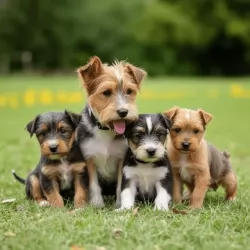 The Gully Terrier is a loyal, energetic, and intelligent breed with a strong, muscular build. Known for their protective nature, they make excellent guard dogs, staying alert and watchful of their surroundings.
While they are friendly and devoted to their family, they can also be independent and sometimes stubborn, requiring consistent training. Their short, dense coat is easy to groom, needing only regular brushing and ear cleaning.
Gully Terriers are active dogs that thrive on daily exercise and mental stimulation, making them great companions for those with an active lifestyle.
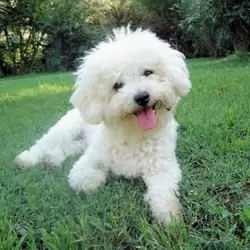 The Bichon Frise, according to the American Kennel Club is a cheerful and merry dog. They are gentle, playful, sensitive and affectionate. These dogs love people, are very social and like other dogs as well. They love to play with children and they are intelligent and affectionate. They were developed in their latter stages by the French to be “lap dogs” or companion animals. They are not territorial by nature but can become so if confined and encouraged. Start obedience training early and be consistent throughout their lives. They take to training easily if positive techniques are used. They do however, have a reputation for not taking well to housetraining. Be persistent
 Like many medium to large-sized dogs, Gully Terriers can be prone to hip dysplasia, a condition where the hip joint doesn't develop properly, leading to arthritis and discomfort.
Due to their floppy or semi-erect ears, Gully Terriers can be more susceptible to ear infections. Regular ear cleaning and checking can help prevent this.
Their short coat can sometimes be prone to skin irritations, especially if they are exposed to harsh weather or poor hygiene. Allergies or parasite infestations (like fleas) can cause skin problems.
Gully Terriers are highly energetic, but they can be prone to obesity if they don't get enough exercise or are overfed. A balanced diet and regular activity are essential.
Some dogs in this breed may experience congenital eye issues like cataracts or progressive retinal atrophy (PRA), which can affect vision.
Regular vet check-ups to monitor joints, ears, and skin Consistent exercise to maintain a healthy weight Proper grooming to reduce risk of skin issues and ear infections
 The coat of the Bichon Frise can easily become matted if not brushed or combed every day. Severe matting can lead to a hematoma in their ears. They are also very prone to ear infections so paying a lot of attention to their ears is imperative. They are will chew and scratch themselves if not groomed well and this can cause skin infections and conditions. They might have allergies to fleas, pollen, chemicals, and dust. The patella (knee cap) can be loose, diabetes, cataracts and heart disease also affect the Bichon Frise. In the United Kingdom the number one cause of death for the breed is old age -13 plus years, with 21% dying of cancer. In North America cancer is the number one killer as it is for most dogs. The Bichon might also be afflicted with hematologic disorders such as AIHA (Autoimmune hemolytic anemia) and ITP (Immune-mediated thrombocytopenia) which while less common than cancer will kill the dog much earlier in life than cancer. The other condition that the Bichon Frise is prone to are liver shunts. If found early they can be surgically corrected but most are not, and liver failure is eventually the cause of death.
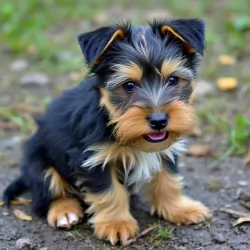 Caring for a Gully Terrier is straightforward but requires attention to their exercise, grooming, and training needs:
Gully Terriers are energetic and need daily exercise. Regular walks, runs, or play sessions will keep them happy and healthy.
They are smart and need activities that challenge their minds, like puzzle toys or training sessions.
Their short coat requires minimal care. Brush them once or twice a week and clean their ears regularly to prevent infections. Trim nails as needed.
Gully Terriers can be a bit independent, so start training early with positive reinforcement. Socialize them with people and other animals to avoid territorial behavior.
Feed them a balanced diet and control their portions to avoid weight gain. Regular vet check-ups will help keep them healthy.
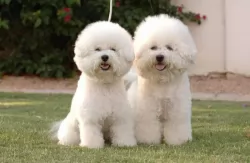 Being a small dog, the Bichon Frise is susceptible to obesity and that condition will be terminal in the end for this breed. So make sure you do not overfeed your Bichon Frise. The same is true with the use of treats. The Bichon loves treats and loves the association with treats of having pleased you. They should be fed small meals – about ¼ cup of good high quality dry food twice a day.
As previously mentioned the Bichon Frise is susceptible to:
Hematomas and infections of the ear if not groomed well and consistently.
Cancer is number one killer.
Hematological Issues are deadlier than cancer.
Liver shunts are a very serious concern.
Though the Bichon Frise is not an overly active dog, they do love to play. They are characterized by short bursts of activity followed by long periods of rest. They can be worn out just by running around the house. You must play with them everyday as well as take them on a walk each day. Bichons are fast and agile and do well in agility trials. They also like to compete in rally and obedience trials. Most of all they love to and need to play with their people every day.