 MyDogBreeds
 Gully Terrier is originated from India but Bluetick Coonhound is originated from United States. Gully Terrier may grow 13 cm / 5 inches shorter than Bluetick Coonhound. Both Gully Terrier and Bluetick Coonhound are having almost same weight. Gully Terrier may live 3 years more than Bluetick Coonhound. Both Gully Terrier and Bluetick Coonhound has same litter size. Both Gully Terrier and Bluetick Coonhound requires Moderate maintenance.
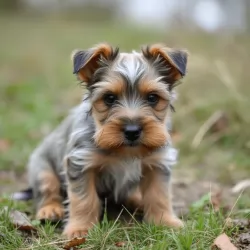 The Gully Terrier originated in India as a street dog, a mix of indigenous Indian Pariah Dogs and bully breeds like Pit Bulls and American Bulldogs.
Developed primarily for protection and hunting, they were used as guard dogs in urban and semi-urban areas. The name "Gully" refers to the narrow alleys and streets where these dogs were often found, while "Bully" highlights their muscular, strong build inherited from bully breeds.
Known for their loyalty, alertness, and protective instincts, Gully Terriers became valued companions for families in need of a strong, resilient dog that could thrive in tough environments.
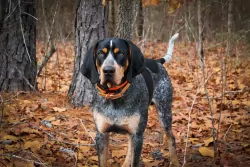 Bred to be hunting dogs, for a long time the Bluetick Coonhound was referred to as the English Coonhound.The Bluetick Coonhound is actually one of 6 recognized breeds of Coonhound, and they were all developed in the United States. In 1945, breeders broke away from their English counterparts, renaming the larger dog to Bluetick Coonhound.
Not much is known of their origins but it seems as though with selective breeding between French Hounds, Foxhounds and English Coonhounds, the Bluetick Coonhound was produced. Originating in the United States of America, it was in 2008 that he Bluetick Coonhound was recognized by the AKC in the Miscellaneous Class.
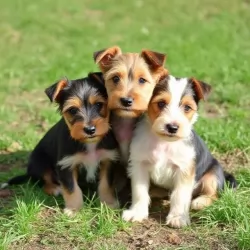 The Gully Terrier is a medium-sized, muscular dog known for its agility, loyalty, and protective nature. With a short, dense coat that comes in various colors, including black, brown, tan, and white, this breed has a distinctive appearance, often with a strong, powerful build.
The Gully Terrier is highly energetic and requires regular exercise to stay happy and healthy. Its intelligent, alert, and sometimes independent nature makes it a great guard dog and companion, although consistent training is necessary to manage its strong-willed personality.
This breed is well-suited for active families or individuals looking for a devoted and protective dog with a loving but protective demeanor.
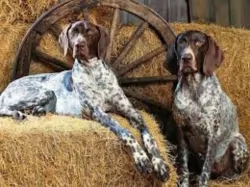
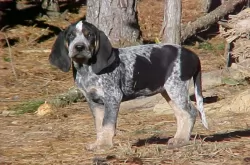 This is a medium to large dog that sports a dark blue and white coat which is densely mottled or ticked. The Bluetick Coonhound’s coat can be described as tri-colored, and the dog’s head and ears are essentially black. He can also have tan markings on the chest, below the tail, around the muzzle and over the eyes. The dog is muscular and athletic and weighs from 25 to 36kg. Typically of the Hound breed, he has a sad but amicable expression on his face.
The Bluetick Coonhound is an intelligent dog and once he has been trained and socialized, he becomes a wonderful member of the family, getting on well with children and other pets He will need plenty of companionship from his human family as well as exercise, and isn’t a dog that you can just have stuck away in your back garden. A Bluetick needs plenty of companionship and activity to be happy.
Friendly and social, this is a vocal dog, given to baying, barking and howling. He’s a scenthound, so when you take him for a walk, which is essential for his exercise needs, you may need him on a leash as he can get scent of something and just be off. You’ll also need to ensure you have a fenced yard as he looks for ways to get out to follow a scent.
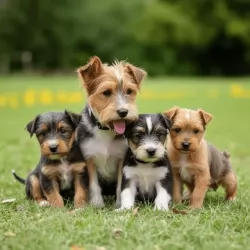 The Gully Terrier is a loyal, energetic, and intelligent breed with a strong, muscular build. Known for their protective nature, they make excellent guard dogs, staying alert and watchful of their surroundings.
While they are friendly and devoted to their family, they can also be independent and sometimes stubborn, requiring consistent training. Their short, dense coat is easy to groom, needing only regular brushing and ear cleaning.
Gully Terriers are active dogs that thrive on daily exercise and mental stimulation, making them great companions for those with an active lifestyle.
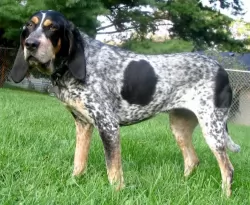 The Bluetick Coonhound is an affectionate dog who will do well in the country, although he will adapt to city dwelling too. Wherever he is, he will need plenty of activities to keep him busy.
People living on smaller properties may have reservations about keeping one, as his bark is loud and long winded, whereas a larger property would accommodate this characteristic better.
Your Bluetick can make a wonderful pet if he is trained and socialized. He is just like a big teddy bear who wants to be part of the family and receive his full portion of love and care like everyone else.
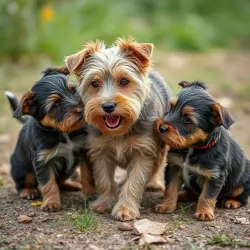 Like many medium to large-sized dogs, Gully Terriers can be prone to hip dysplasia, a condition where the hip joint doesn't develop properly, leading to arthritis and discomfort.
Due to their floppy or semi-erect ears, Gully Terriers can be more susceptible to ear infections. Regular ear cleaning and checking can help prevent this.
Their short coat can sometimes be prone to skin irritations, especially if they are exposed to harsh weather or poor hygiene. Allergies or parasite infestations (like fleas) can cause skin problems.
Gully Terriers are highly energetic, but they can be prone to obesity if they don't get enough exercise or are overfed. A balanced diet and regular activity are essential.
Some dogs in this breed may experience congenital eye issues like cataracts or progressive retinal atrophy (PRA), which can affect vision.
Regular vet check-ups to monitor joints, ears, and skin Consistent exercise to maintain a healthy weight Proper grooming to reduce risk of skin issues and ear infections
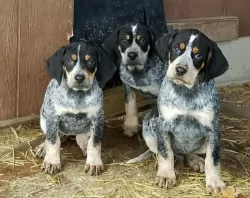 You won’t battle with too many vet’s fees for your Bluetick Coonhound as he is a healthy breed. Just like with other dogs, especially in larger dogs, watch out for hip and elbow dysplasia.
If you do research you’ll find that quite a few Coonhounds can be affected. It is when the hip or elbow socket is malformed. Check your pet because it can lead to painful arthritis and can cause lameness.
Typical of Hounds, your Bluetick Coonhounds loves to eat, and this is precisely why he is prone to over-eating if you allow him to. Watch your dog’s weight and don’t allow him to overeat as overeating suppresses the immune system, resulting in illness.
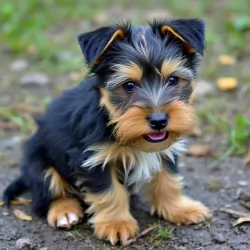 Caring for a Gully Terrier is straightforward but requires attention to their exercise, grooming, and training needs:
Gully Terriers are energetic and need daily exercise. Regular walks, runs, or play sessions will keep them happy and healthy.
They are smart and need activities that challenge their minds, like puzzle toys or training sessions.
Their short coat requires minimal care. Brush them once or twice a week and clean their ears regularly to prevent infections. Trim nails as needed.
Gully Terriers can be a bit independent, so start training early with positive reinforcement. Socialize them with people and other animals to avoid territorial behavior.
Feed them a balanced diet and control their portions to avoid weight gain. Regular vet check-ups will help keep them healthy.
 The puppy Bluetick will require 4 meals a day. Your adult Bluetick will require one or two bowls of food a day. This food can be your own home-made brand which includes rice, meat and vegetables or it should be a high quality commercially manufactured dog food. If you’re in any doubt as to what kind of dog food to be providing for your Bluetick Coonhound, rather speak to your vet as you want to ensure your pet is getting in his vitamins and minerals.
Good nutrition is essential to the health and wellbeing of your dog. It is important that he receive raw meat in his diet from time to time as well as a supplement with essential fatty acids to keep his health and skin in tip top condition. He should never ever be without a steady source of fresh, cool water.
When it comes to grooming, an occasional brushing will suffice. The dog has a short coat but it is dense and it sheds throughout the year. Use a brush on him to get rid of loose hairs and to keep his coat soft and shiny.
Active Hound breeds are prone to ticks and fleas so check your dog regularly for these parasites.
The medium length floppy ears will need to be checked. You can always check with your veterinarian for ear cleaning products and how to use them. Never prod around in your dog’s ears, trying to clean them, as this can lead to damage.