 MyDogBreeds
 Gully Terrier is originated from India but Border Terrier is originated from United Kingdom. Gully Terrier may grow 16 cm / 7 inches higher than Border Terrier. Gully Terrier may weigh 28 kg / 62 pounds more than Border Terrier. Both Gully Terrier and Border Terrier has same life span. Both Gully Terrier and Border Terrier has same litter size. Both Gully Terrier and Border Terrier requires Moderate maintenance.
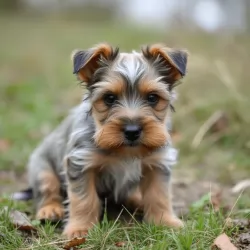 The Gully Terrier originated in India as a street dog, a mix of indigenous Indian Pariah Dogs and bully breeds like Pit Bulls and American Bulldogs.
Developed primarily for protection and hunting, they were used as guard dogs in urban and semi-urban areas. The name "Gully" refers to the narrow alleys and streets where these dogs were often found, while "Bully" highlights their muscular, strong build inherited from bully breeds.
Known for their loyalty, alertness, and protective instincts, Gully Terriers became valued companions for families in need of a strong, resilient dog that could thrive in tough environments.
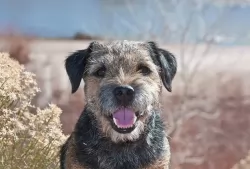 As a working dog, the Border Terrier comes from the border country between England and Scotland. To be more specific, the dog originates from the rough hill country in the areas on both sides of the border between England and Scotland – an area known as 'The Border Country'. The breed was developed by the farmers, using the Terriers to help contain the fox population.
It is believed that they are related to other kinds of terriers which also came from this region such as the Bedlington- and Dandie Dinmont Terriers. The first Border Terrier was registered in 1913 with the British Kennel Club. Later, the Border Terrier Club was also formed. A club for these dogs was also registered in the United States in 1930.
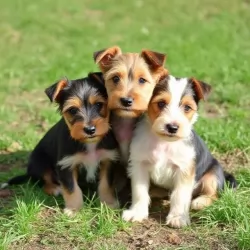 The Gully Terrier is a medium-sized, muscular dog known for its agility, loyalty, and protective nature. With a short, dense coat that comes in various colors, including black, brown, tan, and white, this breed has a distinctive appearance, often with a strong, powerful build.
The Gully Terrier is highly energetic and requires regular exercise to stay happy and healthy. Its intelligent, alert, and sometimes independent nature makes it a great guard dog and companion, although consistent training is necessary to manage its strong-willed personality.
This breed is well-suited for active families or individuals looking for a devoted and protective dog with a loving but protective demeanor.
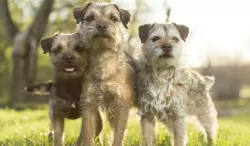
 The Border Terrier is a small to medium sized dog, weighing roughly between 5- and 7kg and standing at anything between 28 and 40cm in height. With his dark brown eyes and keen, alert expression, and with ears dropping forward, people describe the head as being like that of an otter. He is a courageous worker and a loyal companion but some people may not take kindly to him wanting to dig under-, or climb over barriers to get out to follow a scent or to go exploring.
The Border Terrier is a rough coated dogs of medium size with narrow build. The dog’s height is slightly greater than the dog’s length. The coat can be tan and black or dark grey. Sometimes the coat is described as grizzle - dark tipped hairs which give an overlay of color to the tan or red coat. You can also possibly find some white on the muzzle or chest. He has a double coat, with the outer coat being short, dense and wiry. The tail is of medium length and the ears drop forward toward their cheeks.
 The Gully Terrier is a loyal, energetic, and intelligent breed with a strong, muscular build. Known for their protective nature, they make excellent guard dogs, staying alert and watchful of their surroundings.
While they are friendly and devoted to their family, they can also be independent and sometimes stubborn, requiring consistent training. Their short, dense coat is easy to groom, needing only regular brushing and ear cleaning.
Gully Terriers are active dogs that thrive on daily exercise and mental stimulation, making them great companions for those with an active lifestyle.
 A Border Terrier is a dog that has to be part of the family. You can’t just stick him in your back yard as he will just pine away with unhappiness. Boredom and loneliness will cause him to bark and he has a loud bark. He’ll become destructive – characteristics that aren’t his fault because he didn’t ask to be bought and just stuck away.
Train and socialize your Border Terrier so that he becomes the great dog he is intended to be. He gets on well will children who have been taught to be kind to animals and he will get along with other pets in the home. The Border Terrier is an affectionate, sensitive dog and once trained he is willing to obey your commands.
The Border Terrier isn’t the greatest guard dog but is best known for his loving, devoted and loyal nature. He loves his food, and if you feed him well, provide him with a warm, dry place to sleep and provide him with lots of attention and exercise, you’ll have the most devoted and loving friend for life.
 Like many medium to large-sized dogs, Gully Terriers can be prone to hip dysplasia, a condition where the hip joint doesn't develop properly, leading to arthritis and discomfort.
Due to their floppy or semi-erect ears, Gully Terriers can be more susceptible to ear infections. Regular ear cleaning and checking can help prevent this.
Their short coat can sometimes be prone to skin irritations, especially if they are exposed to harsh weather or poor hygiene. Allergies or parasite infestations (like fleas) can cause skin problems.
Gully Terriers are highly energetic, but they can be prone to obesity if they don't get enough exercise or are overfed. A balanced diet and regular activity are essential.
Some dogs in this breed may experience congenital eye issues like cataracts or progressive retinal atrophy (PRA), which can affect vision.
Regular vet check-ups to monitor joints, ears, and skin Consistent exercise to maintain a healthy weight Proper grooming to reduce risk of skin issues and ear infections
 Border Terriers are a healthy breed and with good food and plenty of love and attention, they can reach 14 years of age. It is to be noted with this dog breed that he doesn’t show signs of pain or sickness easily so you want to watch him closely.
Canine Epileptoid Cramping Syndrome - This is a disease which can be evident from 7 months of age already. The disease was once known as Spike's Disease, and its an hereditary disease of Border Terrier dogs. The cause of the disease is unknown but it is similar to canine epilepsy. It is thought that a contributing factor can be gluten, so a gluten-free diet will be recommended.
Heart defects can also affect Border Terriers, one of which is pulmonic stenosis. This is a narrowing of the valve which separates the right chamber of the heart from the lungs. It can ultimately lead to arrhythmia to congestive heart failure. He’ll have difficulty with breathing, suffer from abdominal distension and won’t be able to exercise properly.
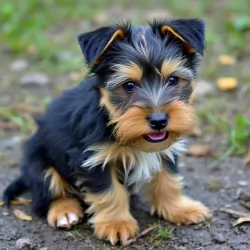 Caring for a Gully Terrier is straightforward but requires attention to their exercise, grooming, and training needs:
Gully Terriers are energetic and need daily exercise. Regular walks, runs, or play sessions will keep them happy and healthy.
They are smart and need activities that challenge their minds, like puzzle toys or training sessions.
Their short coat requires minimal care. Brush them once or twice a week and clean their ears regularly to prevent infections. Trim nails as needed.
Gully Terriers can be a bit independent, so start training early with positive reinforcement. Socialize them with people and other animals to avoid territorial behavior.
Feed them a balanced diet and control their portions to avoid weight gain. Regular vet check-ups will help keep them healthy.
 Because the topcoat of the Border Terrier is dense and harsh with a thick undercoat, he will require moderate grooming. He doesn’t shed too much. Brush your Border Terrier twice a week to remove dead hair and keep your dog’s coat healthy. As part of his grooming, keep his nails clipped as well as his teeth checked and brushed at least twice a week. Make use of specialized dog toothpaste and brush.
The Border Terrier can quickly put on weight so it is important to feed him according to the instructions on the packaging if you’re going to be feeding him with commercially manufactured dog food. Make sure its a quality brand and one which caters for his energy requirements.Dogs are individuals, and they don’t all eat the same amount. As a responsible dog owner, it is up to you to monitor your pet and understand his unique requirements.