 MyDogBreeds
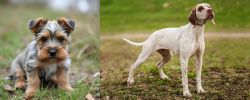 Gully Terrier is originated from India but Braque du Bourbonnais is originated from France. Both Gully Terrier and Braque du Bourbonnais are having almost same height. Gully Terrier may weigh 10 kg / 23 pounds more than Braque du Bourbonnais. Gully Terrier may live 3 years more than Braque du Bourbonnais. Both Gully Terrier and Braque du Bourbonnais has almost same litter size. Gully Terrier requires Moderate maintenance. But Braque du Bourbonnais requires Low maintenance
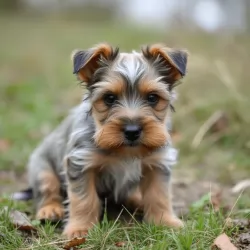 The Gully Terrier originated in India as a street dog, a mix of indigenous Indian Pariah Dogs and bully breeds like Pit Bulls and American Bulldogs.
Developed primarily for protection and hunting, they were used as guard dogs in urban and semi-urban areas. The name "Gully" refers to the narrow alleys and streets where these dogs were often found, while "Bully" highlights their muscular, strong build inherited from bully breeds.
Known for their loyalty, alertness, and protective instincts, Gully Terriers became valued companions for families in need of a strong, resilient dog that could thrive in tough environments.
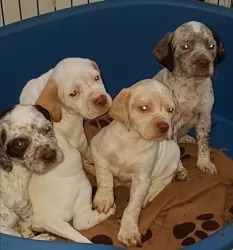
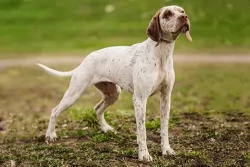 The Braque du Bourbonnais is an ancient breed, seen in the 15th century in France in the province of Bourbonnais. He became extremely popular with hunters by the 1800’s as a good pointer. He has become very popular in the United States and all of North America. There are often more puppies born in the U.S. than in France. The British call this breed the Bourbonnais Pointing Dog.
As with so many European hunting and working dogs, the Braque du Bourbonnais almost disappeared following World War I but was saved by the first breed club, established in 1925. Then following World War II, they were again in danger as the club dissolved and birth rates among the breed decreased drastically.
Actually, there were no dogs at all in the French registry between 1963 and 1973. This was attributed to the fact that the registry put more emphasis on the secondary characteristics such as color, length of tail) instead of the hunting characteristics. Because of this some hunter-breeders vowed to bring the real Braque du Bourbonnais back.
Michel Comte took on this task in 1970 but could not find any dogs with pure Bourbonnais blood. So, he took missed breed with characteristics like the Bourbonnais and inbred several litters until he had a dog he was satisfied with. He registered this dog with the LOF in 1973-75. Seeing this several other breeders got into the act and they successfully brought the breed back.
Michel became president of the new Club du Braque du Bourbonnais in 1981 and remained so until 2001. During this time the breed excelled at field trials and was first sent to the U.S. in 1988. The breed is now thriving in both Europe and North America.
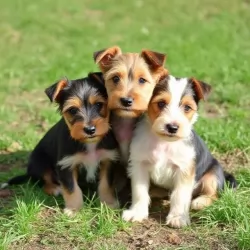 The Gully Terrier is a medium-sized, muscular dog known for its agility, loyalty, and protective nature. With a short, dense coat that comes in various colors, including black, brown, tan, and white, this breed has a distinctive appearance, often with a strong, powerful build.
The Gully Terrier is highly energetic and requires regular exercise to stay happy and healthy. Its intelligent, alert, and sometimes independent nature makes it a great guard dog and companion, although consistent training is necessary to manage its strong-willed personality.
This breed is well-suited for active families or individuals looking for a devoted and protective dog with a loving but protective demeanor.
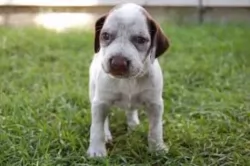 This is an elegant breed with a medium sized, muscular bod and a round head. The nose will be the color of the coat and the muzzle is cone shaped with a wide base. He has large dark or hazel eyes, again depending on the color of the coat. The ears can drop below the throat and the neck is very muscular. He has a deep, wide chest and straight, muscular legs. The coat can come in two colors – liver and fawn – and ticked or spotted. They have a typical short pointer type tail.
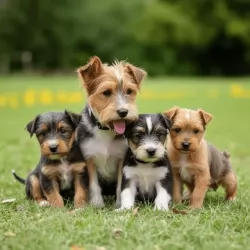 The Gully Terrier is a loyal, energetic, and intelligent breed with a strong, muscular build. Known for their protective nature, they make excellent guard dogs, staying alert and watchful of their surroundings.
While they are friendly and devoted to their family, they can also be independent and sometimes stubborn, requiring consistent training. Their short, dense coat is easy to groom, needing only regular brushing and ear cleaning.
Gully Terriers are active dogs that thrive on daily exercise and mental stimulation, making them great companions for those with an active lifestyle.
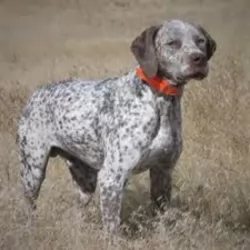 The Braque du Bourbonnais is a gentle, calm dog. He is affectionate and kind when off the job but intelligent, adaptable and serious when hunting. They are intense when learning or hunting and they will learn quickly. They are good with other dogs.
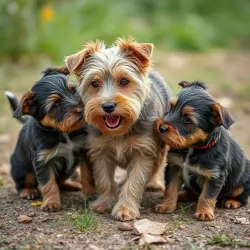 Like many medium to large-sized dogs, Gully Terriers can be prone to hip dysplasia, a condition where the hip joint doesn't develop properly, leading to arthritis and discomfort.
Due to their floppy or semi-erect ears, Gully Terriers can be more susceptible to ear infections. Regular ear cleaning and checking can help prevent this.
Their short coat can sometimes be prone to skin irritations, especially if they are exposed to harsh weather or poor hygiene. Allergies or parasite infestations (like fleas) can cause skin problems.
Gully Terriers are highly energetic, but they can be prone to obesity if they don't get enough exercise or are overfed. A balanced diet and regular activity are essential.
Some dogs in this breed may experience congenital eye issues like cataracts or progressive retinal atrophy (PRA), which can affect vision.
Regular vet check-ups to monitor joints, ears, and skin Consistent exercise to maintain a healthy weight Proper grooming to reduce risk of skin issues and ear infections
 Entropion - both of these are issues with eyelashes turning inward or outward and both can
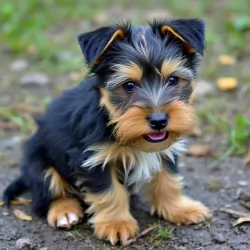 Caring for a Gully Terrier is straightforward but requires attention to their exercise, grooming, and training needs:
Gully Terriers are energetic and need daily exercise. Regular walks, runs, or play sessions will keep them happy and healthy.
They are smart and need activities that challenge their minds, like puzzle toys or training sessions.
Their short coat requires minimal care. Brush them once or twice a week and clean their ears regularly to prevent infections. Trim nails as needed.
Gully Terriers can be a bit independent, so start training early with positive reinforcement. Socialize them with people and other animals to avoid territorial behavior.
Feed them a balanced diet and control their portions to avoid weight gain. Regular vet check-ups will help keep them healthy.
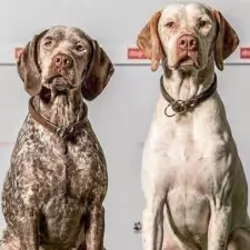 This breed is prone to weight gain and obesity. Be careful not to overfeed them. Don’t free feed them but give them 2-3 smaller meals per day.
Entropion - both of these are issues with eyelashes turning inward or outward and both can
Pulmonic Stenosis of the heart- minor will have no symptoms but eventually the heart will not be able to function efficiently and could lead to congestive heart failure.
The Braque du Bourbonnais needs at least a minimum amount of exercise daily , especially if he is not used for hunting. A fenced backyard for playtime would be perfect but long walks will work. He likes to learn tricks, play ball or hide and seek. Outside activities could include hiking, swimming, agility, retrieving, rally and obedience trials, along with the usual field trials.