 MyDogBreeds
 Gully Terrier is originated from India but Bulgarian Shepherd is originated from Bulgaria. Gully Terrier may grow 19 cm / 7 inches shorter than Bulgarian Shepherd. Gully Terrier may weigh 22 kg / 48 pounds lesser than Bulgarian Shepherd. Gully Terrier may live 42 years less than Bulgarian Shepherd. Both Gully Terrier and Bulgarian Shepherd has almost same litter size. Both Gully Terrier and Bulgarian Shepherd requires Moderate maintenance.
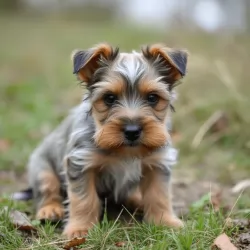 The Gully Terrier originated in India as a street dog, a mix of indigenous Indian Pariah Dogs and bully breeds like Pit Bulls and American Bulldogs.
Developed primarily for protection and hunting, they were used as guard dogs in urban and semi-urban areas. The name "Gully" refers to the narrow alleys and streets where these dogs were often found, while "Bully" highlights their muscular, strong build inherited from bully breeds.
Known for their loyalty, alertness, and protective instincts, Gully Terriers became valued companions for families in need of a strong, resilient dog that could thrive in tough environments.
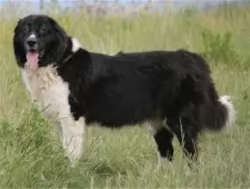 The Bulgarian Shepard Dog comes from the ancient line of Molossers of Central Asia and Tibet, and the shepherds of the Balkans, Turkey and Caucasus. Among the oldest and most valued of the working dogs of Europe, the Bulgarian Shepherd breed was created by mixing the Balkan breeds with the dogs from Central Asia by the proto-Bulgarians around the 7th century. The Karakachanskoto Kuche was introduced to Bulgaria and accepted by the sheep herders. Mixing this breed in with the Balkan and Central Asian mix developed the Bulgarian Shepherd we know today. In the long run the original Karakachanskoto Kuche became extinct, replaced entirely by the Bulgarian Shepherd even in places where the new breed is still called by the Kuche name. Although the breeds are not the same, most of the dog world does not know the difference.
In Bulgaria however the Karakachan is a national treasure and the history of the breed runs deep. One Kuche could run up to 1200 animals and hundreds were used by the herdsmen in the mountains of Bulgaria. There were many regional types of Bulgarian Shepherds with very little difference between those types. These dogs were so prized by the shepherds that the dogs ate first before the people. The dogs however ate a vegetarian diet of milk, wheat, water and oats. The Bulgarian Shepherd lives a long life of often over 20 years. The Bulgarian Army made good use of these dogs early in the 20th century.
Following World War II, the wolves were close to extinction and property in Bulgaria was nationalized. There was no longer a need for a large force of working dogs. The Communist government exterminated large numbers of sheep dogs including the Bulgarian Shepherd. Only those species on government owned farms and in remote regions survived. When the government farms were disbanded in the early 20th century, these dogs were exterminated as well. Only those in the mountains survived. Commercial breeding of the Bulgarian Shepherd in the end of the century has resulted in controversy as other breeds came into the breeding program.
Use of breeds such as Sarplaninacs, Caucasian Ovcharkas, St. Bernards, Central Asian Ovcharkas and Bosnian Tornjaks in these programs resulted in Bulgarian Shepherd or Karakachans that were a lot different from the original breed. There is therefore some concern about the future of the breed in Bulgaria, yet they received official Bulgarian national recognition in 2000. Today’s Bulgarian Shepherd is a guard dog for both property and livestock.
The official standard for the breed came about in 1991 and in 2005 it was recognized by the Bulgarian State Commission for Animal Breeds. Only those dogs that meet this standard are considered “true” Karakachans. The Bulgarian Shepherds are willing to fight bears and wolves in defense of its family and flock. The dog is brave and loyal, dignified and powerful. They are recognized by both the Dog Registry of America, Inc. (DRA) and the Bulgarian Republican Federation of Cynology (BRFC) a member of the FCI.
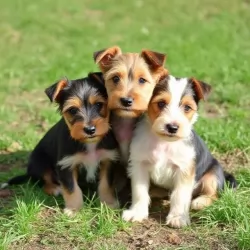 The Gully Terrier is a medium-sized, muscular dog known for its agility, loyalty, and protective nature. With a short, dense coat that comes in various colors, including black, brown, tan, and white, this breed has a distinctive appearance, often with a strong, powerful build.
The Gully Terrier is highly energetic and requires regular exercise to stay happy and healthy. Its intelligent, alert, and sometimes independent nature makes it a great guard dog and companion, although consistent training is necessary to manage its strong-willed personality.
This breed is well-suited for active families or individuals looking for a devoted and protective dog with a loving but protective demeanor.
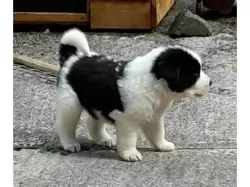 A massive, powerful and muscular Molosser, the Bulgarian Shepherd is strong, agile, powerful and fast. They are intelligent and reliable. They have a long, thick, harsh coat in white with patches of black. Their skull is massive and broad with a furrowed forehead. The muzzle is massive as well while the nose has wide nostrils and is fairly large. It has close fitting, thick lips with strong, scissor bite jaws. The Bulgarian Shepherd’s eyes are deep, oblique and small. They are either hazel or dark. They have an intelligent and confident, yet firm almost grim expression.
Their ears are low set, small and v-shaped. They sit close to the head which sits on a powerful but short neck. They have a broad back, well-muscled body with a deep chest and long, rough tail. Their gait is a trot with a spring in their step. There are two types of coats – longhaired and shorthaired with no undercoats.
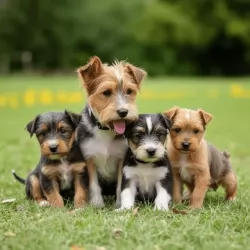 The Gully Terrier is a loyal, energetic, and intelligent breed with a strong, muscular build. Known for their protective nature, they make excellent guard dogs, staying alert and watchful of their surroundings.
While they are friendly and devoted to their family, they can also be independent and sometimes stubborn, requiring consistent training. Their short, dense coat is easy to groom, needing only regular brushing and ear cleaning.
Gully Terriers are active dogs that thrive on daily exercise and mental stimulation, making them great companions for those with an active lifestyle.
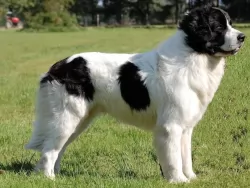 This is a working dog, intelligent and independent guard dog. Reserved around strangers but loyal and devoted with his family. Tolerant of children in their family if they were raised with them. Not only will she defend human family members, she will guard and defend household pets as well. He is quite capable of making her own independent decisions. These are very intense guard dogs that will respond aggressively if they think their people are being attacked.
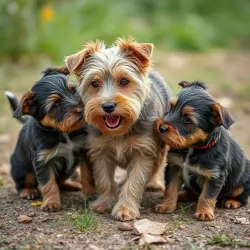 Like many medium to large-sized dogs, Gully Terriers can be prone to hip dysplasia, a condition where the hip joint doesn't develop properly, leading to arthritis and discomfort.
Due to their floppy or semi-erect ears, Gully Terriers can be more susceptible to ear infections. Regular ear cleaning and checking can help prevent this.
Their short coat can sometimes be prone to skin irritations, especially if they are exposed to harsh weather or poor hygiene. Allergies or parasite infestations (like fleas) can cause skin problems.
Gully Terriers are highly energetic, but they can be prone to obesity if they don't get enough exercise or are overfed. A balanced diet and regular activity are essential.
Some dogs in this breed may experience congenital eye issues like cataracts or progressive retinal atrophy (PRA), which can affect vision.
Regular vet check-ups to monitor joints, ears, and skin Consistent exercise to maintain a healthy weight Proper grooming to reduce risk of skin issues and ear infections
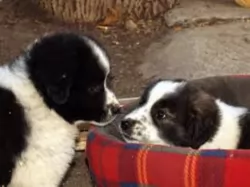 The breed itself is known to be healthy but they do face some of the usual health issues of the massive, giant breeds. This includes knee and elbow dislocation; hip dysplasia; bloat; entropion and osteosarcoma. All of these conditions require medical intervention, but bloat and osteosarcoma are the deadliest. Bloat needs immediate attention and osteosarcoma is a deadly bone cancer.
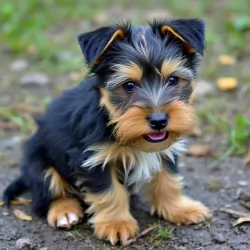 Caring for a Gully Terrier is straightforward but requires attention to their exercise, grooming, and training needs:
Gully Terriers are energetic and need daily exercise. Regular walks, runs, or play sessions will keep them happy and healthy.
They are smart and need activities that challenge their minds, like puzzle toys or training sessions.
Their short coat requires minimal care. Brush them once or twice a week and clean their ears regularly to prevent infections. Trim nails as needed.
Gully Terriers can be a bit independent, so start training early with positive reinforcement. Socialize them with people and other animals to avoid territorial behavior.
Feed them a balanced diet and control their portions to avoid weight gain. Regular vet check-ups will help keep them healthy.
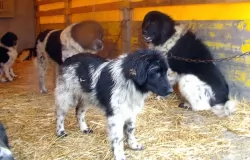 These are large dogs with large appetites, but you want to keep them lean and active. Feed them at least twice a day with a high quality large or giant dog dry food. Four to five cups of food per day is the maximum.
Patellar Luxation – a floating kneecap or dislocated knee. Will cause lameness.
Osteosarcoma – bone cancer must be treated immediately as it is potentially fatal.
The Bulgarian Shepherd needs a good amount of exercise every day. Remember this is a working breed and they need a job. Long walks every day are essential for his well-being.