 MyDogBreeds
Gully Terrier is originated from India but Cao de Fila da Terceira is originated from Portugal. Both Gully Terrier and Cao de Fila da Terceira are having almost same height. Gully Terrier may weigh 45 kg / 99 pounds lesser than Cao de Fila da Terceira. Gully Terrier may live 3 years more than Cao de Fila da Terceira. Both Gully Terrier and Cao de Fila da Terceira has same litter size. Gully Terrier requires Moderate maintenance. But Cao de Fila da Terceira requires Low maintenance
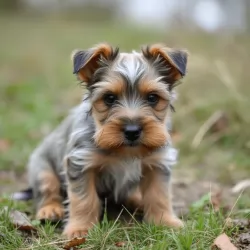 The Gully Terrier originated in India as a street dog, a mix of indigenous Indian Pariah Dogs and bully breeds like Pit Bulls and American Bulldogs.
Developed primarily for protection and hunting, they were used as guard dogs in urban and semi-urban areas. The name "Gully" refers to the narrow alleys and streets where these dogs were often found, while "Bully" highlights their muscular, strong build inherited from bully breeds.
Known for their loyalty, alertness, and protective instincts, Gully Terriers became valued companions for families in need of a strong, resilient dog that could thrive in tough environments.
The Cao de Fila da Terceira Mastiff hails from Portugal and is also known as the Rabo Torto.The dog actually comes from the isle of Terceira in the Azores. The dog descends from mastiffs, bulldogs and local dogs.
It was in the 1960s that there was an attempt to revive the dwindling numbers of the breed. The dog was declared extinct in the 1970s but there were some people in the Azores who wanted to see the breed restored, and it remains a mystery as to if the dog is in fact still available. The breed isn’t recognized by kennel clubs.
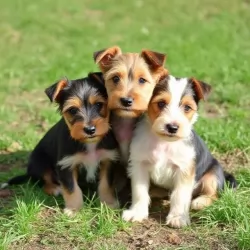 The Gully Terrier is a medium-sized, muscular dog known for its agility, loyalty, and protective nature. With a short, dense coat that comes in various colors, including black, brown, tan, and white, this breed has a distinctive appearance, often with a strong, powerful build.
The Gully Terrier is highly energetic and requires regular exercise to stay happy and healthy. Its intelligent, alert, and sometimes independent nature makes it a great guard dog and companion, although consistent training is necessary to manage its strong-willed personality.
This breed is well-suited for active families or individuals looking for a devoted and protective dog with a loving but protective demeanor.
The Cao de Fila da Terceira is a medium sized molosser, recognized by his weird tail – short and twirled. In fact, the dog’s other name, Rabo Torto, actually stands for ‘twisted tail’, which is a trademark of this dog and which is thought to come from the mix of bulldog in him.
The dog’s coat is short and smooth and the color is usually fawn or yellow while other colors such as brindle, red or black are also available but less acceptable. You may also find small white markings on the chest and feet.
Standing at about 55cm, the dog is muscular and powerful with a broad head, medium sized floppy ears, wide chest and strong muzzle.
The Cao de Fila da Terceira is a good guard dog and while he doesn’t like strangers, he is a dog who is loving and devoted with his human family. See that he gets socialized and trained and he is capable of establishing a deep relationship with all members of the family, children and other pets included. He relies on his owners to provide him with warmth and communication.
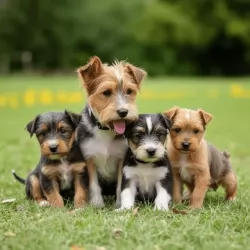 The Gully Terrier is a loyal, energetic, and intelligent breed with a strong, muscular build. Known for their protective nature, they make excellent guard dogs, staying alert and watchful of their surroundings.
While they are friendly and devoted to their family, they can also be independent and sometimes stubborn, requiring consistent training. Their short, dense coat is easy to groom, needing only regular brushing and ear cleaning.
Gully Terriers are active dogs that thrive on daily exercise and mental stimulation, making them great companions for those with an active lifestyle.
If only dog owners would realize that when it comes to a dog’s characteristics, that while there are some traits inherent in a dog, essentially it’s a case of you reap what you sow with a dog. Treat your dog badly, ignore him and abuse him and you get an aggressive, volatile dog who is a threat to the very humans who created the monster in him.
The Cão de Fila da Terceira will certainly need excellent training and socialization, and when he receives plenty of loving attention from his human family he becomes an amazing, relaxed pet. He becomes patient and sweet-tempered so that you can ultimately call him guardian and friend.
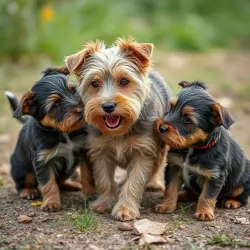 Like many medium to large-sized dogs, Gully Terriers can be prone to hip dysplasia, a condition where the hip joint doesn't develop properly, leading to arthritis and discomfort.
Due to their floppy or semi-erect ears, Gully Terriers can be more susceptible to ear infections. Regular ear cleaning and checking can help prevent this.
Their short coat can sometimes be prone to skin irritations, especially if they are exposed to harsh weather or poor hygiene. Allergies or parasite infestations (like fleas) can cause skin problems.
Gully Terriers are highly energetic, but they can be prone to obesity if they don't get enough exercise or are overfed. A balanced diet and regular activity are essential.
Some dogs in this breed may experience congenital eye issues like cataracts or progressive retinal atrophy (PRA), which can affect vision.
Regular vet check-ups to monitor joints, ears, and skin Consistent exercise to maintain a healthy weight Proper grooming to reduce risk of skin issues and ear infections
The Cão de Fila da Terceira is a healthy dog breed, but even so, you need to be looking out for some ailments which can threaten the comfort and wellbeing of any dog.
This can often be brought about by the wrong diet. When you see your pet battling to clear out the bowels, it can often be rectified by altering your dog’s diet. Speak to your vet if it continues. Your vet may suggest adding some form of nutritious oil to your pet’s diet.
Dogs can also suffer from heart disease, especially when there is an obstruction to the flow of blood to the brain which can cause your pet to collapse. Veterinary attention must be sought without delay.
Frequent passing of water can be indicative of a kidney problem. Veterinary advice will be needed.
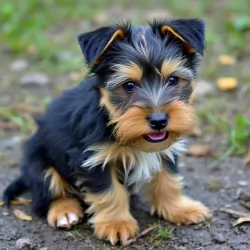 Caring for a Gully Terrier is straightforward but requires attention to their exercise, grooming, and training needs:
Gully Terriers are energetic and need daily exercise. Regular walks, runs, or play sessions will keep them happy and healthy.
They are smart and need activities that challenge their minds, like puzzle toys or training sessions.
Their short coat requires minimal care. Brush them once or twice a week and clean their ears regularly to prevent infections. Trim nails as needed.
Gully Terriers can be a bit independent, so start training early with positive reinforcement. Socialize them with people and other animals to avoid territorial behavior.
Feed them a balanced diet and control their portions to avoid weight gain. Regular vet check-ups will help keep them healthy.
Companionship is important for the Cao de Fila da Terceira, and if you don’t have another dog in the home, as a pack animal, your dog will rely on you for being an active part of his life. A dog that is well treated becomes thoroughly loyal to his owner.
A balanced diet is important for health and for a shiny coat. If you’re unsure of how to feed your Terceira, speak to your veterinarian first. Your vet will know that protein for instance, is essential for your dog. The vet will also speak to you about how to feed a puppy, an adult dog, a pregnant female dog and also feeding your senior dog. Your vet will also explain the hazards of overfeeding and how raw meat also needs to be included in your pet’s diet.
Fresh, cool water is your pet’s life-blood and should be available to your dog night and day. Every dog can benefit too from taking a daily supplement rich in omega-3 fatty acid.
The grooming of your pet will depend on the breed. The Cão de Fila da Terceira has a short coat so he will be easy to maintain. Brush him twice a week to remove loose hairs.
Areas which also need checking daily are the eyes to see that there is no discharge. It is also important to inspect the ears as there should be no build-up of wax inside the ear. Toenails also need attention and should be clipped if they grow long from the pet not walking on hard surfaces.