 MyDogBreeds
 Gully Terrier is originated from India but Chilean Fox Terrier is originated from Chile. Gully Terrier may grow 16 cm / 7 inches higher than Chilean Fox Terrier. Gully Terrier may weigh 26 kg / 58 pounds more than Chilean Fox Terrier. Both Gully Terrier and Chilean Fox Terrier has same life span. Gully Terrier may have more litter size than Chilean Fox Terrier. Gully Terrier requires Moderate maintenance. But Chilean Fox Terrier requires Low maintenance
 The Gully Terrier originated in India as a street dog, a mix of indigenous Indian Pariah Dogs and bully breeds like Pit Bulls and American Bulldogs.
Developed primarily for protection and hunting, they were used as guard dogs in urban and semi-urban areas. The name "Gully" refers to the narrow alleys and streets where these dogs were often found, while "Bully" highlights their muscular, strong build inherited from bully breeds.
Known for their loyalty, alertness, and protective instincts, Gully Terriers became valued companions for families in need of a strong, resilient dog that could thrive in tough environments.
 The Chilean Fox Terrier, developed in Chile, is a dog breed which comes from crossing the British Fox Terrier with some of the local Chilean dogs.
The dog is thought to have been developed in the 19th century already, some time between 1790 and 1850.
The dog is known for its skills in catching rats and mice. Known also as the Chilean Rat Terrier, Terrier Chileno or Ratonero, the Chilean Fox Terrier hasn’t achieved formal recognition with any of the leading canine organizations.
 The Gully Terrier is a medium-sized, muscular dog known for its agility, loyalty, and protective nature. With a short, dense coat that comes in various colors, including black, brown, tan, and white, this breed has a distinctive appearance, often with a strong, powerful build.
The Gully Terrier is highly energetic and requires regular exercise to stay happy and healthy. Its intelligent, alert, and sometimes independent nature makes it a great guard dog and companion, although consistent training is necessary to manage its strong-willed personality.
This breed is well-suited for active families or individuals looking for a devoted and protective dog with a loving but protective demeanor.
 The Chilean Fox Terrier looks almost identical to his ancestors. He stands between 30 – 40cm and weighs between 5 to 9kg.
He is squarely proportioned, he is athletic looking and well muscled with long, slender legs. Many of these dogs are born with naturally short tails, but if not, then the tail is usually docked after the first or second vertebrae. Now that docking is falling out of favor, the breed is losing that distinctive look.
The head of the Chilean Fox Terrier is triangular with the muzzle being somewhat shorter than the Smooth Fox Terrier. The ears of the Chilean Fox Terrier are smallish and high set, being partially erect. The coat of the dog is short and thick and essentially white while the face is usually tan and black.
The Chilean Fox Terrier is loyal with his human family and can fit in well with a family where there are children and other pets.
Training and socialization become necessary for the dog so that he becomes obedient and amicable around his family and with strangers. He isn’t an aggressive dog but he is alert and can make an excellent watch dog.
He is dominant and confident and also intelligent and easily trainable. He is an active dog so he will require exercise every day, whether he lives in the city or in the country.
 The Gully Terrier is a loyal, energetic, and intelligent breed with a strong, muscular build. Known for their protective nature, they make excellent guard dogs, staying alert and watchful of their surroundings.
While they are friendly and devoted to their family, they can also be independent and sometimes stubborn, requiring consistent training. Their short, dense coat is easy to groom, needing only regular brushing and ear cleaning.
Gully Terriers are active dogs that thrive on daily exercise and mental stimulation, making them great companions for those with an active lifestyle.
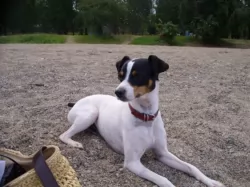 The Chilean Fox Terrier is a lively dog with an alert expression. He has become a popular companion dog, being less aggressive than other Terriers.
When you treat him well he becomes a loyal friend and forms a strong bond with his human owners. He gets on well with children who have been taught to respect animals, but he tends to become a bit aggressive around other dogs of the same sex.
Socialization and training however can make him much more relaxed around other dogs.
He is an attractive little dog with his short coat, giving the appearance of being well groomed. He can adapt to country- or city life too. He is such an easy dog to keep too so why not choose him as your 4-legged family member? He promises to make the perfect family companion.
 Like many medium to large-sized dogs, Gully Terriers can be prone to hip dysplasia, a condition where the hip joint doesn't develop properly, leading to arthritis and discomfort.
Due to their floppy or semi-erect ears, Gully Terriers can be more susceptible to ear infections. Regular ear cleaning and checking can help prevent this.
Their short coat can sometimes be prone to skin irritations, especially if they are exposed to harsh weather or poor hygiene. Allergies or parasite infestations (like fleas) can cause skin problems.
Gully Terriers are highly energetic, but they can be prone to obesity if they don't get enough exercise or are overfed. A balanced diet and regular activity are essential.
Some dogs in this breed may experience congenital eye issues like cataracts or progressive retinal atrophy (PRA), which can affect vision.
Regular vet check-ups to monitor joints, ears, and skin Consistent exercise to maintain a healthy weight Proper grooming to reduce risk of skin issues and ear infections
 The Chilean Fox Terrier is a healthy breed who doesn’t appear to have any particular health issues. It doesn’t mean that your dog will be free from disease, but it is worth knowing that a quality diet, fresh water and lots of love and attention does enhance longevity in a pet.
It is to your benefit to know about one or two common diseases that your dog could get.
You’ll notice your pet’s stomach being swollen. Bloat is a disease which can become dangerous because the stomach can twist. Once this happens, gas can’t escape from the stomach and your pet will want to vomit, he’ll salivate and you’ll notice unusual restless kind of behavior. You need to get him to the vet as soon as possible.
This is also a disease that any dog can develop and can be a complication of another pet disease such as Lyme disease. One of the first signs of kidney disease in dogs is drinking more often than usual and also urinating more often.
He’ll lose his appetite and be lethargic and likely lose weight. Kidney disease is a serious disease and you will need to get your pet to the vet as soon as possible.
 Caring for a Gully Terrier is straightforward but requires attention to their exercise, grooming, and training needs:
Gully Terriers are energetic and need daily exercise. Regular walks, runs, or play sessions will keep them happy and healthy.
They are smart and need activities that challenge their minds, like puzzle toys or training sessions.
Their short coat requires minimal care. Brush them once or twice a week and clean their ears regularly to prevent infections. Trim nails as needed.
Gully Terriers can be a bit independent, so start training early with positive reinforcement. Socialize them with people and other animals to avoid territorial behavior.
Feed them a balanced diet and control their portions to avoid weight gain. Regular vet check-ups will help keep them healthy.
 The Chilean Fox Terrier is a low maintenance breed and this means you won’t be having to part with any money on grooming sessions for him. He’ll basically require a brushing twice a week.
The Chilean Fox Terrier, as a smaller dog breed, will also require regular dental brushing, as neglecting this can result in dental problems as well as a host of diseases that are associated with gum disease and tooth decay.
Make sure to feed him a quality diet full of vitamins and minerals and ensure he always has fresh, cool water available.