 MyDogBreeds
 Gully Terrier is originated from India but Chinook is originated from United States. Gully Terrier may grow 13 cm / 5 inches shorter than Chinook. Gully Terrier may weigh 6 kg / 13 pounds lesser than Chinook. Both Gully Terrier and Chinook has same life span. Both Gully Terrier and Chinook has almost same litter size. Gully Terrier requires Moderate maintenance. But Chinook requires High maintenance
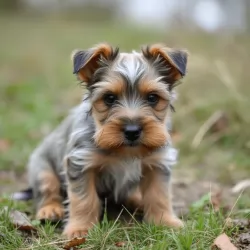 The Gully Terrier originated in India as a street dog, a mix of indigenous Indian Pariah Dogs and bully breeds like Pit Bulls and American Bulldogs.
Developed primarily for protection and hunting, they were used as guard dogs in urban and semi-urban areas. The name "Gully" refers to the narrow alleys and streets where these dogs were often found, while "Bully" highlights their muscular, strong build inherited from bully breeds.
Known for their loyalty, alertness, and protective instincts, Gully Terriers became valued companions for families in need of a strong, resilient dog that could thrive in tough environments.
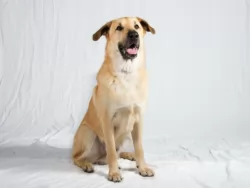 In the early 20th century, in the small town of Wonalancet, New Hampshire a new breed of dog called the Chinook was born. Developed by Arthur Treadwell Walden, the breed is named after the first male ancestor who was named Chinook. The breed is a rare sled dog and the official dog of the state of New Hampshire. The Chinook was born of a cross between a large Mastiff-like street dog and huskies that were part of the Peary North Pole expedition.
Walden was an experienced slender and looking for a dog that was stronger, faster and had more stamina than his current sled dogs. Walden had years of experience including being the trainer and lead on Byrd’s 1929 Antarctic expedition and plenty of Yukon experience. Once he had the male Chinook he bred him with German Shepherds, Belgian Sheepdogs and Canadian Eskimo Dogs at the very least. He then bred those puppies back to Chinook until he had the type and traits he wanted. Following Walden, Julia Lombard and then Perry Greene took over mastery of the breed. From the 1940’s until he died in 1963, Greene was the only person who was breeding Chinooks. So, there were few left after his death. The breed neared extinction by 1981 with only 11 Chinooks available to breed. These dogs were divided between three breeders who saved the breed from becoming extinct.
In 1991, the United Kingdom recognized the Chinook and they were also registered with the UKC. At that time there were about 800 dogs in the breed. To increase the breed, there was a cross-breeding program that took Chinooks and bred them back to the breeds they considered to be apart of the original Chinook lineage. These 4th generation dogs might meet the standards of the Chinook Owners Associations Cross Breeding Program and be accepted as purebred.
In 2001 the Chinook was entered into the AKC Foundation Stock Service and added to the Miscellaneous class of the AKC in 2010. In January of 20113, the Chinook was finally granted full recognition and breed status within the AKC in the working group. He is a large working dog, rugged, patience, loyal and intelligent. He is one of the rarest breeds in the AKC.
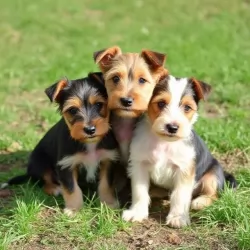 The Gully Terrier is a medium-sized, muscular dog known for its agility, loyalty, and protective nature. With a short, dense coat that comes in various colors, including black, brown, tan, and white, this breed has a distinctive appearance, often with a strong, powerful build.
The Gully Terrier is highly energetic and requires regular exercise to stay happy and healthy. Its intelligent, alert, and sometimes independent nature makes it a great guard dog and companion, although consistent training is necessary to manage its strong-willed personality.
This breed is well-suited for active families or individuals looking for a devoted and protective dog with a loving but protective demeanor.
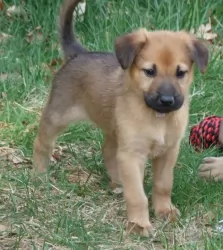 The Chinook is a muscular dog, making him a perfect fit to be a sled dog or a hauler of any type. He has a deep chest and powerful muzzle with enduring teeth. The ears can be pricked up or bent and wind-blown. The nostrils of the Chinook are solid black and wide, while the lips are black, the eyes look like almonds and are dark with intelligence in their glance. The feet are firm and oval, the pads cushioned and with dark pigmentation. The tail should not be docked.
The breed has a double coat and hair of medium length The undercoat is soft and thick while the outercoat is close to the body and coarse. The Chinook is usually a tawny, reddish color.
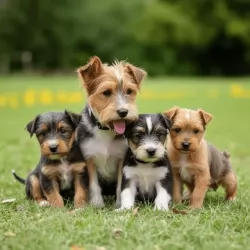 The Gully Terrier is a loyal, energetic, and intelligent breed with a strong, muscular build. Known for their protective nature, they make excellent guard dogs, staying alert and watchful of their surroundings.
While they are friendly and devoted to their family, they can also be independent and sometimes stubborn, requiring consistent training. Their short, dense coat is easy to groom, needing only regular brushing and ear cleaning.
Gully Terriers are active dogs that thrive on daily exercise and mental stimulation, making them great companions for those with an active lifestyle.
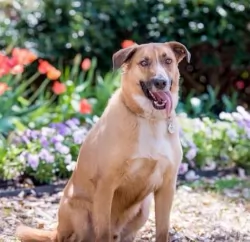 This is a playful, affectionate and loyal breed. They have a special love for kids and always want to learn and please you. They are intelligent and very trainable. The Chinook is good with other dogs and as a sled dog they love to work in packs. They can be reserved but they are never aggressive or shy.
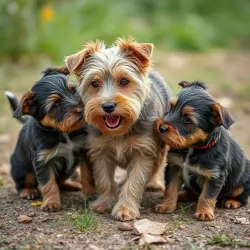 Like many medium to large-sized dogs, Gully Terriers can be prone to hip dysplasia, a condition where the hip joint doesn't develop properly, leading to arthritis and discomfort.
Due to their floppy or semi-erect ears, Gully Terriers can be more susceptible to ear infections. Regular ear cleaning and checking can help prevent this.
Their short coat can sometimes be prone to skin irritations, especially if they are exposed to harsh weather or poor hygiene. Allergies or parasite infestations (like fleas) can cause skin problems.
Gully Terriers are highly energetic, but they can be prone to obesity if they don't get enough exercise or are overfed. A balanced diet and regular activity are essential.
Some dogs in this breed may experience congenital eye issues like cataracts or progressive retinal atrophy (PRA), which can affect vision.
Regular vet check-ups to monitor joints, ears, and skin Consistent exercise to maintain a healthy weight Proper grooming to reduce risk of skin issues and ear infections
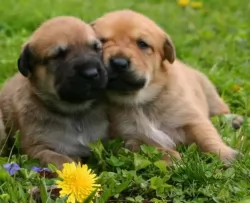 For the most part, the Chinook is a healthy dog. There are however some issues they do have to contend with including:
Sometimes know as Chinook seizures this is really a movement disorder and perhaps not a true epilepsy.
This dermatitis may be hereditary. It causes itchy skin and is actual an immune system issue.
Chinook are known for a variety of gastrointestinal disorders manifested by diarrhea and vomiting.
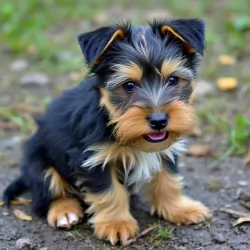 Caring for a Gully Terrier is straightforward but requires attention to their exercise, grooming, and training needs:
Gully Terriers are energetic and need daily exercise. Regular walks, runs, or play sessions will keep them happy and healthy.
They are smart and need activities that challenge their minds, like puzzle toys or training sessions.
Their short coat requires minimal care. Brush them once or twice a week and clean their ears regularly to prevent infections. Trim nails as needed.
Gully Terriers can be a bit independent, so start training early with positive reinforcement. Socialize them with people and other animals to avoid territorial behavior.
Feed them a balanced diet and control their portions to avoid weight gain. Regular vet check-ups will help keep them healthy.
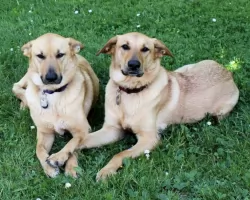 Don’t overfeed your dog. Based on how hard he is working for you feed twice a day. Dividing 3 to 5 cups into two meals.
Although the Chinook is still active in recreational sledding, he is mostly a family pet these days. Given this the Chinook need a good deal of exercise and competition. They are great at search and rescue, dog packing, agility, obedience, herding, carting and skijoring. They need some form of solid exercise for 30 to 60 minutes every day.