 MyDogBreeds
 Gully Terrier is originated from India but East Siberian Laika is originated from Russia. Gully Terrier may grow 10 cm / 3 inches shorter than East Siberian Laika. Gully Terrier may weigh 11 kg / 25 pounds more than East Siberian Laika. Both Gully Terrier and East Siberian Laika has same life span. Both Gully Terrier and East Siberian Laika has almost same litter size. Both Gully Terrier and East Siberian Laika requires Moderate maintenance.
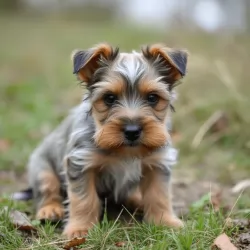 The Gully Terrier originated in India as a street dog, a mix of indigenous Indian Pariah Dogs and bully breeds like Pit Bulls and American Bulldogs.
Developed primarily for protection and hunting, they were used as guard dogs in urban and semi-urban areas. The name "Gully" refers to the narrow alleys and streets where these dogs were often found, while "Bully" highlights their muscular, strong build inherited from bully breeds.
Known for their loyalty, alertness, and protective instincts, Gully Terriers became valued companions for families in need of a strong, resilient dog that could thrive in tough environments.
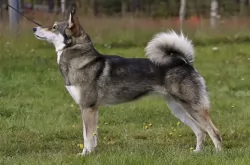 The East Siberian Laika Is a Russian dog developed for hunting in Siberia. The breed is a spitz type and good hunting large or small prey. It hunted squirrels and grouse as well as moose, mountain lions and bears. In the cold, snowy Siberia it was also a sled dog. There are four types of Russian Laikas: the West Siberian Laika, the Karelo-Finnish Laika, the East Siberian Laika and the Russo-European Laika.
Dog from the Evenki National Territory, the Lake Baikal region, the Maritime Territory, the Irkutsk Province, and the Amur River basin were the breeding groups from which the East Siberian Laika developed. In 1947 the East Siberian Laika was designated as a separate breed from the other Laikas. All 4 Laikas were registered as separate breeds at the All -Union Cynological Congress. Biologist K.G. Abramov is credited with developing the first standard for the breed.
The breed is recognized by the American Canine Association, Inc (ACA), the Dog Registry of America (DRA) as well as the FCI. They are not recognized by the UKC or the AKC. Only the government breeds the East Siberian Laika in Russia.
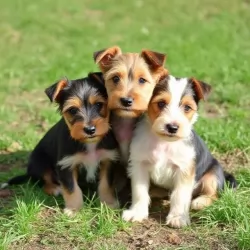 The Gully Terrier is a medium-sized, muscular dog known for its agility, loyalty, and protective nature. With a short, dense coat that comes in various colors, including black, brown, tan, and white, this breed has a distinctive appearance, often with a strong, powerful build.
The Gully Terrier is highly energetic and requires regular exercise to stay happy and healthy. Its intelligent, alert, and sometimes independent nature makes it a great guard dog and companion, although consistent training is necessary to manage its strong-willed personality.
This breed is well-suited for active families or individuals looking for a devoted and protective dog with a loving but protective demeanor.
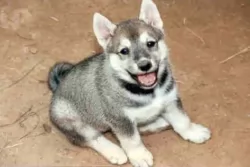 Within the East Siberian Laika there are several different types, but two important ones are the Evenki and Irkutsk. Of all the Laikas, the East Siberian is the most diverse in physique and in color. It is a rangy dog, heavy boned and proportionately appears square. It has triangular, erect ears and a tail that curves over his back. The shape of his head can vary within the regions and the types.
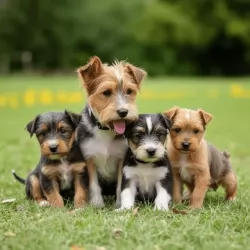 The Gully Terrier is a loyal, energetic, and intelligent breed with a strong, muscular build. Known for their protective nature, they make excellent guard dogs, staying alert and watchful of their surroundings.
While they are friendly and devoted to their family, they can also be independent and sometimes stubborn, requiring consistent training. Their short, dense coat is easy to groom, needing only regular brushing and ear cleaning.
Gully Terriers are active dogs that thrive on daily exercise and mental stimulation, making them great companions for those with an active lifestyle.
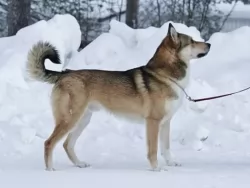 The East Siberian Laika is bred to hunt and hunt large prey as well as small. For this reason, he usually doesn’t get along well with other dogs or other large predators. Other wise he is a calm; well-mannered dog and he can be a very good watch dog. They are very trainable and make great companion dogs.
The East Siberian Laika is the calmest and quietest of the four Russian Laikas. They are very affectionate and loyal to their families. They love to walk, jog, hike, run or camp with their family.
 Like many medium to large-sized dogs, Gully Terriers can be prone to hip dysplasia, a condition where the hip joint doesn't develop properly, leading to arthritis and discomfort.
Due to their floppy or semi-erect ears, Gully Terriers can be more susceptible to ear infections. Regular ear cleaning and checking can help prevent this.
Their short coat can sometimes be prone to skin irritations, especially if they are exposed to harsh weather or poor hygiene. Allergies or parasite infestations (like fleas) can cause skin problems.
Gully Terriers are highly energetic, but they can be prone to obesity if they don't get enough exercise or are overfed. A balanced diet and regular activity are essential.
Some dogs in this breed may experience congenital eye issues like cataracts or progressive retinal atrophy (PRA), which can affect vision.
Regular vet check-ups to monitor joints, ears, and skin Consistent exercise to maintain a healthy weight Proper grooming to reduce risk of skin issues and ear infections
 Besides injures related to hunting, the East Siberian Laika is prone to several other conditions including dysplasia and:
The contents of the dog’s abdomen come through the abdominal wall at the umbilicas. They are surgically repaired.
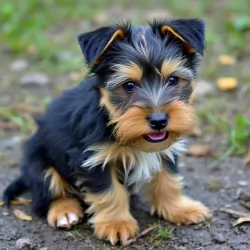 Caring for a Gully Terrier is straightforward but requires attention to their exercise, grooming, and training needs:
Gully Terriers are energetic and need daily exercise. Regular walks, runs, or play sessions will keep them happy and healthy.
They are smart and need activities that challenge their minds, like puzzle toys or training sessions.
Their short coat requires minimal care. Brush them once or twice a week and clean their ears regularly to prevent infections. Trim nails as needed.
Gully Terriers can be a bit independent, so start training early with positive reinforcement. Socialize them with people and other animals to avoid territorial behavior.
Feed them a balanced diet and control their portions to avoid weight gain. Regular vet check-ups will help keep them healthy.
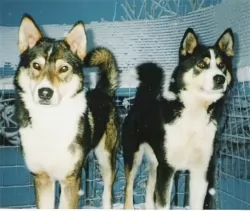 This is an active, working dog and should be fed accordingly. Probably 1.5-2 cups of high quality dry dog food, two times a day.
The East Siberian Laika is an ancient breed and fairly healthy though prone to dysplasia:
The hip socket is not formed correctly, and the bone cannot fit properly causing lameness and/or arthritis.
Primary lesions and cartilage surrounding the elbow join and resulting in osteopathic injuries.
Again, this is a working dog. They need at least a half hour of moderate/vigorous exercise every day. A fenced in ran is a plus. You will also need to play with him to keep him from getting bored. Catch, flyball, or agility would all suit this breed well.