 MyDogBreeds
 Gully Terrier is originated from India but Eurasier is originated from Germany. Both Gully Terrier and Eurasier are having almost same height. Both Gully Terrier and Eurasier are having almost same weight. Both Gully Terrier and Eurasier has almost same life span. Both Gully Terrier and Eurasier has same litter size. Both Gully Terrier and Eurasier requires Moderate maintenance.
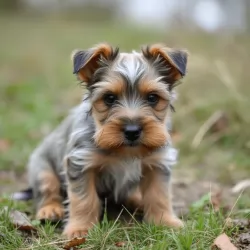 The Gully Terrier originated in India as a street dog, a mix of indigenous Indian Pariah Dogs and bully breeds like Pit Bulls and American Bulldogs.
Developed primarily for protection and hunting, they were used as guard dogs in urban and semi-urban areas. The name "Gully" refers to the narrow alleys and streets where these dogs were often found, while "Bully" highlights their muscular, strong build inherited from bully breeds.
Known for their loyalty, alertness, and protective instincts, Gully Terriers became valued companions for families in need of a strong, resilient dog that could thrive in tough environments.
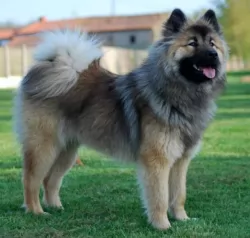 The Eurasier is a dog which hails from Germany and is a cross between the Wolf Spitz, the Chow Chow and the Samoyed.
The puppies of the dog could reproduce themselves, so that a new breed was recognized by the German Kennel Club as well as the Federation Cynologique Internationale.
It is believed that the name was chosen as a referral to the dog’s European and Asian background. Today the Eurasier is found in most European Union countries as well as in Canada and the United States, but still the breed’s population is low, with efforts in place to raise its numbers.
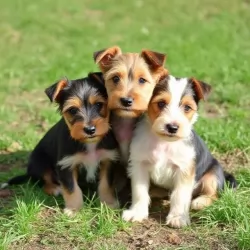 The Gully Terrier is a medium-sized, muscular dog known for its agility, loyalty, and protective nature. With a short, dense coat that comes in various colors, including black, brown, tan, and white, this breed has a distinctive appearance, often with a strong, powerful build.
The Gully Terrier is highly energetic and requires regular exercise to stay happy and healthy. Its intelligent, alert, and sometimes independent nature makes it a great guard dog and companion, although consistent training is necessary to manage its strong-willed personality.
This breed is well-suited for active families or individuals looking for a devoted and protective dog with a loving but protective demeanor.
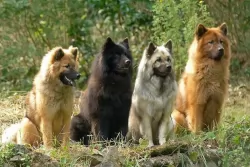
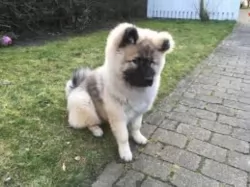 The Eurasier is a medium-sized dog, standing at roughly 48cm to 60cm in height and weighing 18kg to 32kg. He has a medium to long length coat in a range of different colors – fawn, black and tan as well as a mix of colors such as silver and black.
He has medium-sized, erect ears and the tail is always held over the back. The nose is black and the eyes are also medium in size and dark and should never be obscured by the dog’s hair.
Confident while being reserved around strangers, the calm Eurasier isn’t an aggressive dog.Bred as a companion animal, he is tolerant of other pets in the house as well as with children, and having him socialized and trained will ensure that he is obedient, relaxed and amicable. He is an intelligent dog and responds well to training.
He loves to be with his human family and will adapt happily to city- or country life. He doesn’t have high activity levels so daily walks and ball games will be sufficient for him.
He isn’t the kind of dog that you can keep in your backyard as a watchdog and then just neglect him. He’ll become bored and destructive through no fault of his own.
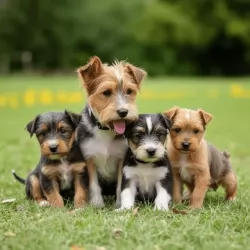 The Gully Terrier is a loyal, energetic, and intelligent breed with a strong, muscular build. Known for their protective nature, they make excellent guard dogs, staying alert and watchful of their surroundings.
While they are friendly and devoted to their family, they can also be independent and sometimes stubborn, requiring consistent training. Their short, dense coat is easy to groom, needing only regular brushing and ear cleaning.
Gully Terriers are active dogs that thrive on daily exercise and mental stimulation, making them great companions for those with an active lifestyle.
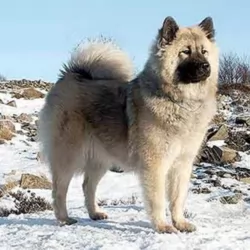 You can just see on the face of the Eurasier that he is a loving, gentle dog who wants to be part of a loving human family.
As a companion dog he makes a splendidly devoted and loyal pet, wanting to be involved in everything his human ‘pack members’ are doing. He is healthy, intelligent, playful and loving and when you invest in such a pet, you’re investing in a close, loving relationship for many years.
 Like many medium to large-sized dogs, Gully Terriers can be prone to hip dysplasia, a condition where the hip joint doesn't develop properly, leading to arthritis and discomfort.
Due to their floppy or semi-erect ears, Gully Terriers can be more susceptible to ear infections. Regular ear cleaning and checking can help prevent this.
Their short coat can sometimes be prone to skin irritations, especially if they are exposed to harsh weather or poor hygiene. Allergies or parasite infestations (like fleas) can cause skin problems.
Gully Terriers are highly energetic, but they can be prone to obesity if they don't get enough exercise or are overfed. A balanced diet and regular activity are essential.
Some dogs in this breed may experience congenital eye issues like cataracts or progressive retinal atrophy (PRA), which can affect vision.
Regular vet check-ups to monitor joints, ears, and skin Consistent exercise to maintain a healthy weight Proper grooming to reduce risk of skin issues and ear infections
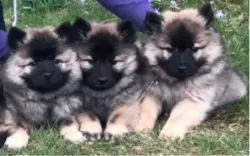 To a large extent, we have the health of our pets in our hands. The way we treat them – the food we give, the activities he takes part in, his sleeping facilities and the attention we give him all contribute to whether he will be healthy or not.
Nonetheless there are dogs who enjoy the best life and yet they still get sick. The Eurasier is a healthy dog breed who can push 12, 13 or 14 years, but still there are some common dog diseases to look out for.
Problems which are of concern are hip- and elbow dysplasia and patellar Luxation. Patellar luxation is when the dog's kneecap becomes dislocated and you see your pet holding up his hind leg for a while. These dislocated kneecaps are quite common in dogs and can lead to arthritis and even lameness.
Your vet can diagnose this problem through different means to help your pet.
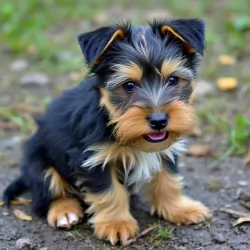 Caring for a Gully Terrier is straightforward but requires attention to their exercise, grooming, and training needs:
Gully Terriers are energetic and need daily exercise. Regular walks, runs, or play sessions will keep them happy and healthy.
They are smart and need activities that challenge their minds, like puzzle toys or training sessions.
Their short coat requires minimal care. Brush them once or twice a week and clean their ears regularly to prevent infections. Trim nails as needed.
Gully Terriers can be a bit independent, so start training early with positive reinforcement. Socialize them with people and other animals to avoid territorial behavior.
Feed them a balanced diet and control their portions to avoid weight gain. Regular vet check-ups will help keep them healthy.
 The Eurasier, just like any other dog, requires high quality food. Luckily, as far as convenience goes, there are some excellent commercially manufactured foods, but you still need to check out the ingredients on the packaging as you want to avoid some of the dog foods high in chemicals and fillers.
The best pet foods are the ones that are high in protein, and meat sources such as chicken, beef or salmon for instance should show up among the top 5 ingredients.
Your Eurasier won’t want to eat kibble every day of his life so add in your own homemade cooked brown rice, vegetables and chicken from time to time. Also, every now and again, it will be of tremendous value to your pet’s immune system to include some raw meat.
Brush your Eurasier twice a week to keep his coat shiny and healthy. Grooming your pet has a number of benefits apart from making him look good. It infuses him with a healthy glow – he literally glows with a sense of wellbeing and confidence because you care for him.
The benefits of brushing your pet include better blood circulation and a shinier, healthier coat. Also check your dog’s nails, check his ears inside and out and make sure to attend to his teeth 2 or 3x a week. There are special toothbrush and toothpaste designed specifically for dogs.