 MyDogBreeds
 Gully Terrier is originated from India but Fell Terrier is originated from United Kingdom. Gully Terrier may grow 18 cm / 8 inches higher than Fell Terrier. Gully Terrier may weigh 26 kg / 58 pounds more than Fell Terrier. Both Gully Terrier and Fell Terrier has almost same life span. Both Gully Terrier and Fell Terrier has almost same litter size. Both Gully Terrier and Fell Terrier requires Moderate maintenance.
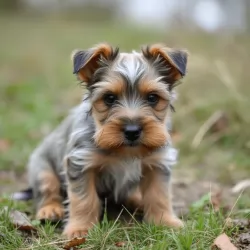 The Gully Terrier originated in India as a street dog, a mix of indigenous Indian Pariah Dogs and bully breeds like Pit Bulls and American Bulldogs.
Developed primarily for protection and hunting, they were used as guard dogs in urban and semi-urban areas. The name "Gully" refers to the narrow alleys and streets where these dogs were often found, while "Bully" highlights their muscular, strong build inherited from bully breeds.
Known for their loyalty, alertness, and protective instincts, Gully Terriers became valued companions for families in need of a strong, resilient dog that could thrive in tough environments.
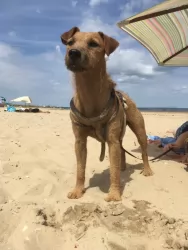 Fell terriers, known by other names such as Lakeland-, Patterdale-, Red Fell or Black Fell Terrier are small working terriers, hailing from the fell or hilly country of northern England.
Several breeds have been developed from the Fell terrier, of which the Patterdale Terrier, Lakeland are some as well as other locally developed breeds. All these particular breeds are sometimes referred to as the Fell Terrier, and in fact the National Terriers Club LLC has published a Fell Terrier standard.
It is also believed that the long legged Fell Terriers may have descended from an old type of terrier referred to as the rough-coated Black and Tan. The Black and Tan Terrier is now extinct but was drawn into The Kennel Club as the Welsh Terrier.
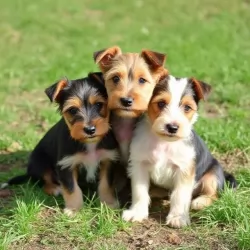 The Gully Terrier is a medium-sized, muscular dog known for its agility, loyalty, and protective nature. With a short, dense coat that comes in various colors, including black, brown, tan, and white, this breed has a distinctive appearance, often with a strong, powerful build.
The Gully Terrier is highly energetic and requires regular exercise to stay happy and healthy. Its intelligent, alert, and sometimes independent nature makes it a great guard dog and companion, although consistent training is necessary to manage its strong-willed personality.
This breed is well-suited for active families or individuals looking for a devoted and protective dog with a loving but protective demeanor.
 Small and feisty, the Fell Terrier is a working dog used for hunting purposes. He stands at roughly 31cm to 38cm in height and ways between 6 to 9kg.
The dogs were sought after for their hunting skills as being the small dog they were, and with their narrow chests, they were able to move around in small, narrow underground tunnels.
The Fell has long legs, and his coat is shortish but with a rough texture to it. The coat is found in different colors such as white, black and tan, chocolate, red, black and bronze. The ears are medium length and floppy while the tail of the dog is traditionally docked, but these days the tail is often left long, and then he becomes less distinctive.
Used to having hunted in packs, the Fell Terrier has always been used to getting along well with other dogs. He makes a fantastic family pet and will get on well with children who have been been taught to respect animals. He is an independent, strong-willed dog and will certainly need socialization and training to turn him into an obedient dog.
He is energetic, fearless, strong-willed, determined and always ready for a game or some form of action.
 The Gully Terrier is a loyal, energetic, and intelligent breed with a strong, muscular build. Known for their protective nature, they make excellent guard dogs, staying alert and watchful of their surroundings.
While they are friendly and devoted to their family, they can also be independent and sometimes stubborn, requiring consistent training. Their short, dense coat is easy to groom, needing only regular brushing and ear cleaning.
Gully Terriers are active dogs that thrive on daily exercise and mental stimulation, making them great companions for those with an active lifestyle.
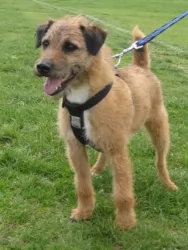 The Fell Terrier still has dreams of the hunt in him and with his strong prey instincts, he isn’t really suited to city living, but will fit ideally into life in the country.
He is a high spirited, working dog with an endless amount of energy. He bonds closely with his human family, and for all his robust, larger-than-life attitude and boldness, when he is with his human family he can be gentle, calm and loving, just thriving on the love he receives.
Your Fell Terrier is just waiting to be your best friend and a never ending source of unconditional love.
 Like many medium to large-sized dogs, Gully Terriers can be prone to hip dysplasia, a condition where the hip joint doesn't develop properly, leading to arthritis and discomfort.
Due to their floppy or semi-erect ears, Gully Terriers can be more susceptible to ear infections. Regular ear cleaning and checking can help prevent this.
Their short coat can sometimes be prone to skin irritations, especially if they are exposed to harsh weather or poor hygiene. Allergies or parasite infestations (like fleas) can cause skin problems.
Gully Terriers are highly energetic, but they can be prone to obesity if they don't get enough exercise or are overfed. A balanced diet and regular activity are essential.
Some dogs in this breed may experience congenital eye issues like cataracts or progressive retinal atrophy (PRA), which can affect vision.
Regular vet check-ups to monitor joints, ears, and skin Consistent exercise to maintain a healthy weight Proper grooming to reduce risk of skin issues and ear infections
 Caring for your Fell Terrier requires knowing what do do with him when he develops certain common dog illnesses. He is a robust dog and is not likely to get any serious illnesses, but still you want to know about some of the more common ones.
If you suspect an illness, get your pet to the vet who can provide you with a treatment plan for your dog.
Your Fell Terrier can easily fall prey to dental disease if you don't brush his teeth at least 2 or 3 times a week. Unfortunately bad teeth isn't just a case of losing a tooth or two, bad teeth can cause serious diseases such as kidney disease. Tarter build-up progresses to infection of the gums as well as roots of the teeth. So serious is dental disease that your dog can actually have his life shortened.
Your Fell Terrier is a small dog and obesity can easily creep up if you don't control your pet's diet. Obesity is a serious illness that can increase problems with the joints and digestion.
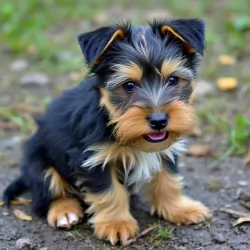 Caring for a Gully Terrier is straightforward but requires attention to their exercise, grooming, and training needs:
Gully Terriers are energetic and need daily exercise. Regular walks, runs, or play sessions will keep them happy and healthy.
They are smart and need activities that challenge their minds, like puzzle toys or training sessions.
Their short coat requires minimal care. Brush them once or twice a week and clean their ears regularly to prevent infections. Trim nails as needed.
Gully Terriers can be a bit independent, so start training early with positive reinforcement. Socialize them with people and other animals to avoid territorial behavior.
Feed them a balanced diet and control their portions to avoid weight gain. Regular vet check-ups will help keep them healthy.
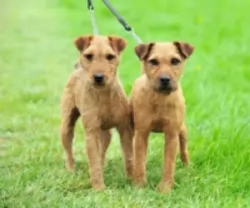 Your Fell Terrier is an active dog who won’t thrive if he is cooped up and ignored. He thrives on action and will need to be taken on walks with you and involved in all your games and sports, such as when you go jogging, swimming or cycling.
Feed your Fell Terrier the best quality commercially manufactured foods if you opt to feed your pet this way. Include cooked brown rice, vegetables and chicken into his kibble from time to time and always ensure there is cool, fresh drinking water available to him.
It depends on whether your Fell Terrier has a short, smooth coat, or the longer-haired coarse coat. He will certainly need brushing twice a week and sometimes, with the longer coats, he may require professional trimming or stripping.
Always check nails, in and outside the ears and remember to brush his teeth with canine toothpaste and toothbrush twice a week at least.