 MyDogBreeds
 Gully Terrier is originated from India but Flat-Coated Retriever is originated from United Kingdom. Both Gully Terrier and Flat-Coated Retriever are having almost same height. Both Gully Terrier and Flat-Coated Retriever are having almost same weight. Gully Terrier may live 5 years more than Flat-Coated Retriever. Both Gully Terrier and Flat-Coated Retriever has same litter size. Both Gully Terrier and Flat-Coated Retriever requires Moderate maintenance.
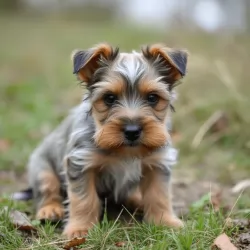 The Gully Terrier originated in India as a street dog, a mix of indigenous Indian Pariah Dogs and bully breeds like Pit Bulls and American Bulldogs.
Developed primarily for protection and hunting, they were used as guard dogs in urban and semi-urban areas. The name "Gully" refers to the narrow alleys and streets where these dogs were often found, while "Bully" highlights their muscular, strong build inherited from bully breeds.
Known for their loyalty, alertness, and protective instincts, Gully Terriers became valued companions for families in need of a strong, resilient dog that could thrive in tough environments.
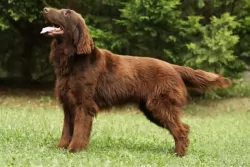 The Flat-Coated Retriever traces its heritage to 19th century England. A popular gamekeepers’ dog, the actual descendants of the breed are not entirely known. Like so many well-established breeds, there are many lines of thought about the breed line. There is an unverified line of ancestry that includes the St. Johns Water Dog – an extinct breed from North America. Another story has Canadian sailors bringing their Newfoundlands to England and mixing them with Colliers and Setters. This story has more truth to it and it took 20 years to establish the final breed type.
The breed was originally a retriever with two purposes – to retrieve the hunters’ bounty on land and on water.
The Flat-Coated Retriever was then introduced to the United States as a gun dog. By 1873 it was a “stable type” and in 1915 the AKC recognized the breed. After this, their popularity grew quickly until the American public fell in love with the Golden Retriever and the Labrador Retriever. Then the Flat-Coated Retriever’s numbers and popularity fell. The irony was that both the Golden and the Labrador credited the Flat-Coated Retriever as an ancestor. The survival of the breed was questionable following World War Two. They were brought back by a specific breeding program in the 1960’s.
Breeders in the ‘60s made sure they bred for both show dogs and companion animals. The Flat-Coated Retriever survived and is less popular than other retrievers, but he has his fans. The breed is more popular in the United Kingdom than it is in the United States in part because of Best in Show wins at Crufts
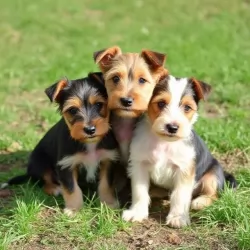 The Gully Terrier is a medium-sized, muscular dog known for its agility, loyalty, and protective nature. With a short, dense coat that comes in various colors, including black, brown, tan, and white, this breed has a distinctive appearance, often with a strong, powerful build.
The Gully Terrier is highly energetic and requires regular exercise to stay happy and healthy. Its intelligent, alert, and sometimes independent nature makes it a great guard dog and companion, although consistent training is necessary to manage its strong-willed personality.
This breed is well-suited for active families or individuals looking for a devoted and protective dog with a loving but protective demeanor.
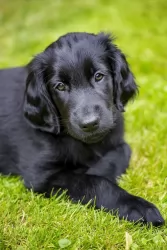 The Flat-Coated Retriever has a straight and strong topline with unique head, strong jaws, a long muzzle and small ears. His eyes are dark brown almonds with a friendly and intelligent expression. He has an arched neck and a moderately long tail. The Flat-Coated Retriever is more of an athlete, lighter and certainly more elegant than any other type or breed of retriever.
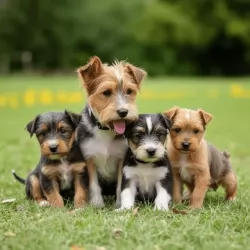 The Gully Terrier is a loyal, energetic, and intelligent breed with a strong, muscular build. Known for their protective nature, they make excellent guard dogs, staying alert and watchful of their surroundings.
While they are friendly and devoted to their family, they can also be independent and sometimes stubborn, requiring consistent training. Their short, dense coat is easy to groom, needing only regular brushing and ear cleaning.
Gully Terriers are active dogs that thrive on daily exercise and mental stimulation, making them great companions for those with an active lifestyle.
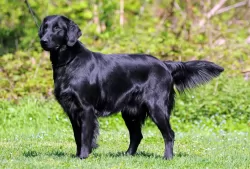 The Flat-Coated Retriever is great with children. Just be careful they don’t knock over small children in their enthusiasm.
They are confident great family dogs. They are “thinking dogs” and need something to work for or they will work for themselves. They can be clowns.
They are adaptable although their size might preclude small locations without yards.
Smart, thinking all the time, they are very trainable. However, they are considered the “Peter Pan” of dogs – they never grow up.
 Like many medium to large-sized dogs, Gully Terriers can be prone to hip dysplasia, a condition where the hip joint doesn't develop properly, leading to arthritis and discomfort.
Due to their floppy or semi-erect ears, Gully Terriers can be more susceptible to ear infections. Regular ear cleaning and checking can help prevent this.
Their short coat can sometimes be prone to skin irritations, especially if they are exposed to harsh weather or poor hygiene. Allergies or parasite infestations (like fleas) can cause skin problems.
Gully Terriers are highly energetic, but they can be prone to obesity if they don't get enough exercise or are overfed. A balanced diet and regular activity are essential.
Some dogs in this breed may experience congenital eye issues like cataracts or progressive retinal atrophy (PRA), which can affect vision.
Regular vet check-ups to monitor joints, ears, and skin Consistent exercise to maintain a healthy weight Proper grooming to reduce risk of skin issues and ear infections
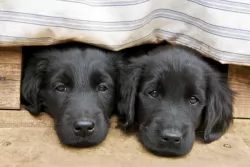 Flat-Coated Retrievers have their share of health concerns from dysplasia to cancer. The breeds problems include:
Hemangiosarcoma, Osteosarcoma, Malignant Histiocytosis, and Fibrosarcoma. Studies show that about half of all Flat-Coated Retrievers die of cancer.
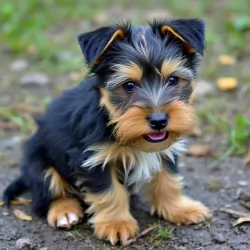 Caring for a Gully Terrier is straightforward but requires attention to their exercise, grooming, and training needs:
Gully Terriers are energetic and need daily exercise. Regular walks, runs, or play sessions will keep them happy and healthy.
They are smart and need activities that challenge their minds, like puzzle toys or training sessions.
Their short coat requires minimal care. Brush them once or twice a week and clean their ears regularly to prevent infections. Trim nails as needed.
Gully Terriers can be a bit independent, so start training early with positive reinforcement. Socialize them with people and other animals to avoid territorial behavior.
Feed them a balanced diet and control their portions to avoid weight gain. Regular vet check-ups will help keep them healthy.
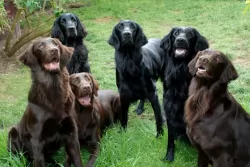 He will be a medium size dog. Feed puppies 3-4 times a day about a 1/8 cup of high-quality food. Feed a puppy food designed for medium size dogs or specifically for retrievers.
Feed 2 times a day about !/2 cups of dry food per meal. Do not overfeed. They have a tendency to be obese.
Maintain a healthy weight and avoid exercise before and after meals. The good news is dysplasia and epilepsy are rare in the breed.
They are very energetic and need good exercise. Long walks and a yard to run in. Remember they are hunting dogs and will chase to retrieve things so don’t let them off leash outside your yard. They will excel at agility, tracking. Rally, obedience, swimming, hunting, and jogging. They make great therapy dogs.