 MyDogBreeds
 Gully Terrier is originated from India but Galgo Espanol is originated from Spain. Gully Terrier may grow 11 cm / 4 inches shorter than Galgo Espanol. Gully Terrier may weigh 6 kg / 14 pounds more than Galgo Espanol. Both Gully Terrier and Galgo Espanol has same life span. Both Gully Terrier and Galgo Espanol has same litter size. Gully Terrier requires Moderate maintenance. But Galgo Espanol requires Low maintenance
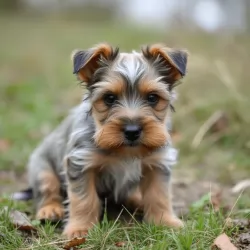 The Gully Terrier originated in India as a street dog, a mix of indigenous Indian Pariah Dogs and bully breeds like Pit Bulls and American Bulldogs.
Developed primarily for protection and hunting, they were used as guard dogs in urban and semi-urban areas. The name "Gully" refers to the narrow alleys and streets where these dogs were often found, while "Bully" highlights their muscular, strong build inherited from bully breeds.
Known for their loyalty, alertness, and protective instincts, Gully Terriers became valued companions for families in need of a strong, resilient dog that could thrive in tough environments.
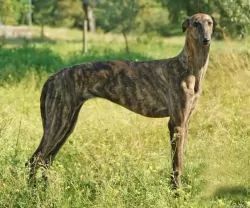
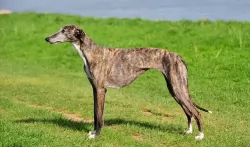 Galgo Espanol means Spanish with galgo meaning greyhound, thus a Spanish Greyhound. This breed is ancient with their roots in perhaps the English greyhound and others in the sighthound family. They are much like the greyhound in that they are laid back, calm, gentle and quiet, unless they are competing on the local track. Like the greyhound they are shy and reserved; great with kids and other pets. And of course, they love cats.
There are dogs like the Galgo referred to in writing by the ancient Celts and Romans. One author, Arrian, had his own Galgos and used them when hunting. The breed flourished in the second half of the Middle Ages in Spain and well into the 8th century. When the Christians regained control of the Iberian Peninsula, they did away with the hunter old forms of hunting and introduced a new form with hounds that made the Galgo the pride of the aristocracy and not in the homes of the ordinary people. Arrian claim to two types of dogs, the smooth and rough coated.
Muslim and Chrisitan Kings kept Galgo Espanols. In all probability the Saluke and Galgo were crossbred at this time. It was illegal to kill a Galgo and in 1081, the Mayor of Cartuario of Slonza left his Galgo in his will to Diego Citid. Dogs seen in painting from the 12th century look just like dogs of this breed who can be seen today.
It is believed that when the Galgo was developed, it was in the midsection of Spain or the Castillian plains. They ruled the interior of the country while the bloodhound ruled the exterior. The 18th and 19th centuries saw very little change in the breed. However, in the 20th century, there was cross breeding with the English greyhound that produced a leaner, faster and powerful track racing dog. The results was a faster dog without the long distance stamina of the pure Galgo. For this reason, the breeders returned to breeding the pure professional racing dog.
The sport of racing the Galgo earns Spain around sixty million dollars per year. They train anywhere from three to four thousand of the Galgos every year for Open Field Coursing Championships. Still, there no longer is any cross breeding between the Greyhound and the Galgo. The current coursing programs feature a hare that is much hardier and difficult to pursue so the stamina of the old Galgo Espanol is desired. In Castile, where these games are played, the landscape is open with large fields that requires that the hare travels far greater distances. This means that the stamina of the original Galgo Espanol is needed.
When not racing the Galgos have become great house pets. They have a reputation as gentle dogs that are docile and quiet, with good health. This reputation is well earned. They are also successful show dogs in Europe much more than the states. This is perhaps because they are really rare outside of Spain. They are not recognized by the United Kennel Club nor the American Kennel Club.
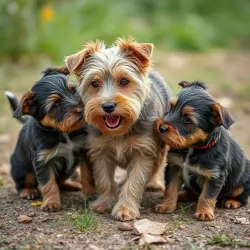
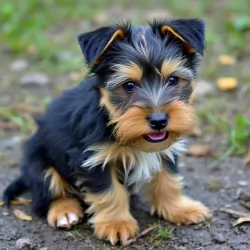
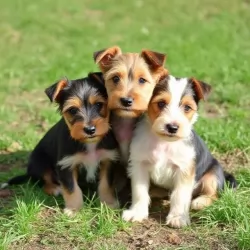 The Gully Terrier is a medium-sized, muscular dog known for its agility, loyalty, and protective nature. With a short, dense coat that comes in various colors, including black, brown, tan, and white, this breed has a distinctive appearance, often with a strong, powerful build.
The Gully Terrier is highly energetic and requires regular exercise to stay happy and healthy. Its intelligent, alert, and sometimes independent nature makes it a great guard dog and companion, although consistent training is necessary to manage its strong-willed personality.
This breed is well-suited for active families or individuals looking for a devoted and protective dog with a loving but protective demeanor.
 Obviously the Galgos looks a lot like the Greyhound, but in some very important ways they are very different. The rear of the Galgos is higher than the front and their muscle are flatter. They are built for endurance while the Greyhound is built for speed. The Galgos is a lighter, smaller dog with larger ear on a long head. They have long tails and their chests are not deep like the Greyhounds.
The Galgo comes in smooth and rough coats and a variety of colors. The rough coat protects dogs that are in climates colder than the ones in Spain and also keeps them from injuring their skin while running. The colors include brindle, black, golden, toasted, cinnamon, yellow, red, white, white with patches, or any color as long as they have a white forehead and muzzle.
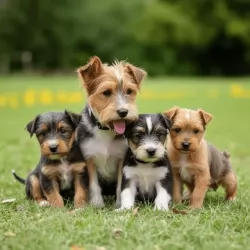 The Gully Terrier is a loyal, energetic, and intelligent breed with a strong, muscular build. Known for their protective nature, they make excellent guard dogs, staying alert and watchful of their surroundings.
While they are friendly and devoted to their family, they can also be independent and sometimes stubborn, requiring consistent training. Their short, dense coat is easy to groom, needing only regular brushing and ear cleaning.
Gully Terriers are active dogs that thrive on daily exercise and mental stimulation, making them great companions for those with an active lifestyle.
 They are good with children, but you need to be careful no one gets knocked down or hurt.
Stamina for running and a good record in lure coursing.
Though they can be couch potatoes like greyhounds they are better off with a fenced yard and not an apartment.
They are smart and can learn anything you want to teach them if you can keep their attention.
 Like many medium to large-sized dogs, Gully Terriers can be prone to hip dysplasia, a condition where the hip joint doesn't develop properly, leading to arthritis and discomfort.
Due to their floppy or semi-erect ears, Gully Terriers can be more susceptible to ear infections. Regular ear cleaning and checking can help prevent this.
Their short coat can sometimes be prone to skin irritations, especially if they are exposed to harsh weather or poor hygiene. Allergies or parasite infestations (like fleas) can cause skin problems.
Gully Terriers are highly energetic, but they can be prone to obesity if they don't get enough exercise or are overfed. A balanced diet and regular activity are essential.
Some dogs in this breed may experience congenital eye issues like cataracts or progressive retinal atrophy (PRA), which can affect vision.
Regular vet check-ups to monitor joints, ears, and skin Consistent exercise to maintain a healthy weight Proper grooming to reduce risk of skin issues and ear infections
 Being a large dog, the Galgo Espanol would normally face a high probability of hip dysplasia. Fortunately for the breed this is not true. In this respect their lightness of weight, their history as a working dog and their anatomy have protected them from it. They are however susceptible to other issues.
Malignant tumors that quickly spread throughout the body. Life threatening.
As a sighthound, the Galgo Espanol is prone to have issues anytime with anesthetics. They don’t metabolize the anesthetics like other dogs do. They will take longer to revive, and they are susceptible to hypothermia while under an aesthetic.
While running, they are prone to injuries
 Caring for a Gully Terrier is straightforward but requires attention to their exercise, grooming, and training needs:
Gully Terriers are energetic and need daily exercise. Regular walks, runs, or play sessions will keep them happy and healthy.
They are smart and need activities that challenge their minds, like puzzle toys or training sessions.
Their short coat requires minimal care. Brush them once or twice a week and clean their ears regularly to prevent infections. Trim nails as needed.
Gully Terriers can be a bit independent, so start training early with positive reinforcement. Socialize them with people and other animals to avoid territorial behavior.
Feed them a balanced diet and control their portions to avoid weight gain. Regular vet check-ups will help keep them healthy.
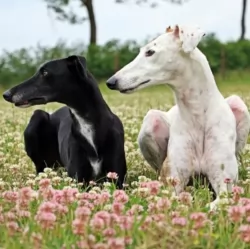 Feed your puppy a high quality dry food made for large breed dogs. Feed 3 meals a day 2.5 to 3 cups total for the day.
Feed your adult Galgo a high quality dry food made for large breed dogs. Feed 2 meals a day but don’t overfeed Give 4-5 cups total for the day.
They have amazing stamina and good speed. Generally good health as a breed.
He can be a couch potato indoors and runs forever outdoors. He does need daily exercise and bedrest both. The best would be if you could sprint him every day or have a small yard he can play in. They excel of course at agility and lure coursing. Keep them on a leash because if they run you will never catch them. The American Sighthound Field Association presents lure coursing events that they are eligible for. They have exceled at show competition in Europe but are not well known in the U.S.