 MyDogBreeds
 Gully Terrier is originated from India but Golden Doodle is originated from United States. Gully Terrier may grow 10 cm / 3 inches shorter than Golden Doodle. Gully Terrier may weigh 15 kg / 34 pounds more than Golden Doodle. Both Gully Terrier and Golden Doodle has same life span. Both Gully Terrier and Golden Doodle has same litter size. Both Gully Terrier and Golden Doodle requires Moderate maintenance.
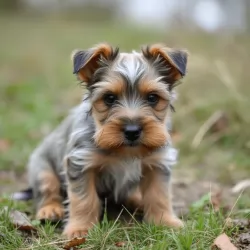 The Gully Terrier originated in India as a street dog, a mix of indigenous Indian Pariah Dogs and bully breeds like Pit Bulls and American Bulldogs.
Developed primarily for protection and hunting, they were used as guard dogs in urban and semi-urban areas. The name "Gully" refers to the narrow alleys and streets where these dogs were often found, while "Bully" highlights their muscular, strong build inherited from bully breeds.
Known for their loyalty, alertness, and protective instincts, Gully Terriers became valued companions for families in need of a strong, resilient dog that could thrive in tough environments.
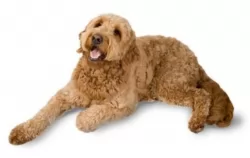 The Goldendoodle, known fondly as the Golden Poo, originates from the USA and was first bred in the 1990’s, coming about because of two popular dog breeds being mated together – the Golden Labrador and the Poodle.
He isn’t recognized as a standardized breed by any of the major kennel clubs. The beautiful dog was first bred in 1969 by Monica Dickens, and of course when everybody saw the little golden ball of sheer delight, everybody wanted one and the dog’s popularity soared.
The original purpose of the cross-breed was to develop guide dogs which would go down well with people with allergies. Today, not all Goldendoodles are hypoallergenic, but they’re also popular because they have a low shedding coat.
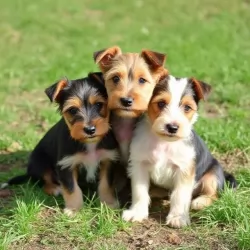 The Gully Terrier is a medium-sized, muscular dog known for its agility, loyalty, and protective nature. With a short, dense coat that comes in various colors, including black, brown, tan, and white, this breed has a distinctive appearance, often with a strong, powerful build.
The Gully Terrier is highly energetic and requires regular exercise to stay happy and healthy. Its intelligent, alert, and sometimes independent nature makes it a great guard dog and companion, although consistent training is necessary to manage its strong-willed personality.
This breed is well-suited for active families or individuals looking for a devoted and protective dog with a loving but protective demeanor.
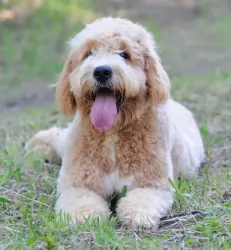 The Goldendoodle is a medium sized dog, standing between 61 -66 cm in height and weighing between 14 – 20kg. Nothing is set in stone with regards to his size as the Poodle can be Toy, Miniature and Standard, meaning the Goldendoodle can be a smallish dog or he can be a large dog.
His coat is usually golden, cream, yellow, red and even leaning towards brown or black. It is mostly medium length and wavy or even curly. Many Goldendoodle owners send their pets in to have their coats professionally shorn.
He has medium length, floppy ears and the tail is long.
Making the most wonderful family pet and companion, Goldendoodles have just the right temperament for them to be used as therapy- or rescue dogs. They’re bright, outgoing alert, social, gentle, loving, patient with children, adults and pets and friendly and amicable as well.
They’ve inherited wonderful characteristics from both the poodle and the Golden Labrador. He is an energetic dog so even though he adapts well to city life or country life, he will need to have exercise as in walks and ball games.
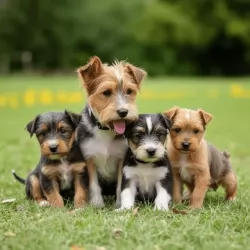 The Gully Terrier is a loyal, energetic, and intelligent breed with a strong, muscular build. Known for their protective nature, they make excellent guard dogs, staying alert and watchful of their surroundings.
While they are friendly and devoted to their family, they can also be independent and sometimes stubborn, requiring consistent training. Their short, dense coat is easy to groom, needing only regular brushing and ear cleaning.
Gully Terriers are active dogs that thrive on daily exercise and mental stimulation, making them great companions for those with an active lifestyle.
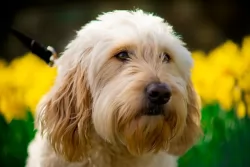 Your Goldendoodle is sure to be a real joy in your home. He is a lively, healthy dog breed and when you treat him like a family member, a real deep bond can be developed.
He loves to be included in everything going on in the household and doesn't like being left alone for a long time. He has wonderful characteristics from the Golden Retriever and the Poodle as both these dog breeds are known for their friendly, patient, kind, amicable and intelligent personalities.
Easy to train, your Goldendoodle is obedient and wants to please, and is just waiting to become a loyal, loving friend in your family.
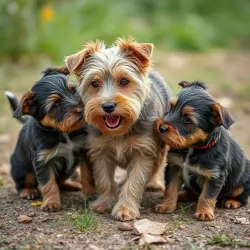 Like many medium to large-sized dogs, Gully Terriers can be prone to hip dysplasia, a condition where the hip joint doesn't develop properly, leading to arthritis and discomfort.
Due to their floppy or semi-erect ears, Gully Terriers can be more susceptible to ear infections. Regular ear cleaning and checking can help prevent this.
Their short coat can sometimes be prone to skin irritations, especially if they are exposed to harsh weather or poor hygiene. Allergies or parasite infestations (like fleas) can cause skin problems.
Gully Terriers are highly energetic, but they can be prone to obesity if they don't get enough exercise or are overfed. A balanced diet and regular activity are essential.
Some dogs in this breed may experience congenital eye issues like cataracts or progressive retinal atrophy (PRA), which can affect vision.
Regular vet check-ups to monitor joints, ears, and skin Consistent exercise to maintain a healthy weight Proper grooming to reduce risk of skin issues and ear infections
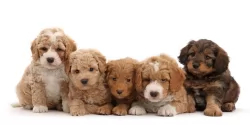 The Goldendoodle is a healthy dog, but each breed involved with bringing about the Goldendoodle - Poodles and Golden Retrievers – can be prone to hip dysplasia. Both dog breeds are also susceptible to inheritable eye disorders.
There are some common dog ailments worth knowing about. The idea is to get your pet to the vet as soon as possible when you detect that he isn’t his usual self.
Allergic skin disease is common in other dog breeds as well, and once the allergen is inhaled or absorbed, your pet can battle terribly with itchy, red skin. This inflammatory, chronic skin disease can drive your pet mad and you’ll see him scratching and licking continually. Get him to the vet as soon as possible because it may just be a case of changing his diet.
This is something that can even be seen in young dogs when the hip joints don’t develop normally. It can cause arthritis, terrible pain and lameness with your pet.
You’ll notice that your pet battles to see- and get around at night. Signs of night blindness can lead to loss of vision, particularly with your middle-aged Goldendoodle.
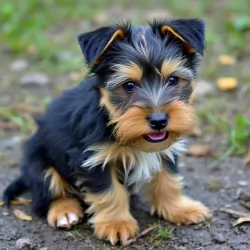 Caring for a Gully Terrier is straightforward but requires attention to their exercise, grooming, and training needs:
Gully Terriers are energetic and need daily exercise. Regular walks, runs, or play sessions will keep them happy and healthy.
They are smart and need activities that challenge their minds, like puzzle toys or training sessions.
Their short coat requires minimal care. Brush them once or twice a week and clean their ears regularly to prevent infections. Trim nails as needed.
Gully Terriers can be a bit independent, so start training early with positive reinforcement. Socialize them with people and other animals to avoid territorial behavior.
Feed them a balanced diet and control their portions to avoid weight gain. Regular vet check-ups will help keep them healthy.
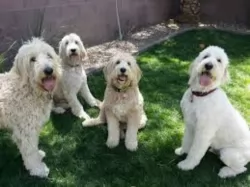 Taking care of a Goldendoodle isn't only about feeding him and seeing he has a fresh bowl of water available. It’s about making him part of the family and giving him love and attention just like with any family member. He needs -
Good nutritious food to keep him healthy.
A warm dry place to sleep at night.
A place during the day that offers shade from the sun and shelter from the rain.
He needs to be brushed to remove loose hairs, have his nails trimmed, his ears checked for infection and his teeth brushed 2 or 3 times a week.
He needs to be exercised – walks, ball and rope games, swimming and joining you in your activities.
He needs to be taken to the vet when he is showing signs of illness.
He needs love, care and attention just like any other family member.