 MyDogBreeds
 Gully Terrier is originated from India but Grand Gascon Saintongeois is originated from France. Gully Terrier may grow 17 cm / 6 inches shorter than Grand Gascon Saintongeois. Both Gully Terrier and Grand Gascon Saintongeois are of same weight. Both Gully Terrier and Grand Gascon Saintongeois has almost same life span. Both Gully Terrier and Grand Gascon Saintongeois has almost same litter size. Gully Terrier requires Moderate maintenance. But Grand Gascon Saintongeois requires Low maintenance
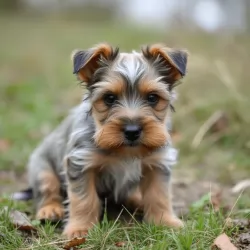 The Gully Terrier originated in India as a street dog, a mix of indigenous Indian Pariah Dogs and bully breeds like Pit Bulls and American Bulldogs.
Developed primarily for protection and hunting, they were used as guard dogs in urban and semi-urban areas. The name "Gully" refers to the narrow alleys and streets where these dogs were often found, while "Bully" highlights their muscular, strong build inherited from bully breeds.
Known for their loyalty, alertness, and protective instincts, Gully Terriers became valued companions for families in need of a strong, resilient dog that could thrive in tough environments.
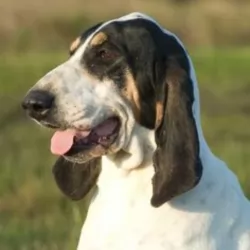 Known also as the Virelade, the Grand Gascon Saintongeois hails from the Saintongeois region of France, being a newish addition to the hunting dog breed.
The Saintongeois hound and the Grand Blue de Gascogne are the ancestors of this scentdog as these two breeds themselves, are exceptional hunters. The Grand Gascon Saintongeois is a large dog and favored by the French nobility for its ability to hunt.
After the French Revolution the popularity of the breed waned. It was Baron Joseph de Carayon-LaTour who tried to revive the Saintongeois Hound. The dogs were mated with the Grand Bleu de Gascogne and were so outstanding that breeding was continued. The breed that was created is the Grand Gascon Saintongeois which we know today.
It was in January 1993 that the Grand Gascon Saintongeois was officially recognized by the United Kennel Club.
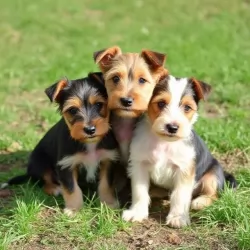 The Gully Terrier is a medium-sized, muscular dog known for its agility, loyalty, and protective nature. With a short, dense coat that comes in various colors, including black, brown, tan, and white, this breed has a distinctive appearance, often with a strong, powerful build.
The Gully Terrier is highly energetic and requires regular exercise to stay happy and healthy. Its intelligent, alert, and sometimes independent nature makes it a great guard dog and companion, although consistent training is necessary to manage its strong-willed personality.
This breed is well-suited for active families or individuals looking for a devoted and protective dog with a loving but protective demeanor.
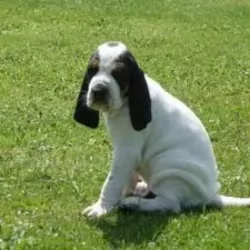 The Grand Gascon Saintongeois is a large, well built breed of dog that looks strong and robust. His head is strong and covered with loose skin that forms wrinkles around the cheeks. He stands at 61-73cm and weighs 30 to 35kg.
He has straight, long legs. He has a short, smooth coat which is white with black patches. Sometimes you'll also find a speckled or ticked pattern. There'll be tan dots over the eyes.
The eyes are brown, the nose black and the long, thin textured ears are low on the dogs head and also well back on the skull. The tail is long.
He is known for his deep voice to voice an opinion. He is a loving, friendly, courageous and affectionate breed with a well balanced temperament, making him a splendid pet. He is also intelligent and so he won't battle at all to learn some rules. Training and socialization will be good for him even though he is such an amicable dog already, but then he just becomes extra obedient.
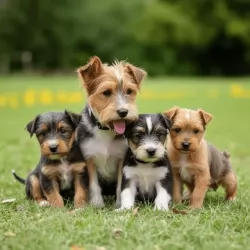 The Gully Terrier is a loyal, energetic, and intelligent breed with a strong, muscular build. Known for their protective nature, they make excellent guard dogs, staying alert and watchful of their surroundings.
While they are friendly and devoted to their family, they can also be independent and sometimes stubborn, requiring consistent training. Their short, dense coat is easy to groom, needing only regular brushing and ear cleaning.
Gully Terriers are active dogs that thrive on daily exercise and mental stimulation, making them great companions for those with an active lifestyle.
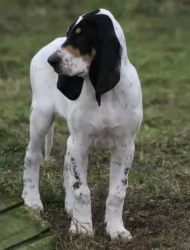 Your Grand Gascon Saintongeois is a true hunting dog breed and valued for his hunting prowess. He has another side to him though and is gentle, loving and calm with his human family.
He makes a wonderful family companion, getting on well with children as well as pets in the home. He may show a bit of aggression to strangers and this is why training and socialization works so well with him as it helps him behave well around family and strangers.
Training is never a problem as he is an intelligent dog. He is an energetic dog and won't fit well into city life in tiny properties, also because of his tendency to bark when bored. He fits well into country life or large properties.
When you provide your large pet with good food, a warm place to sleep, exercise and plenty of love and attention, the Grand Gascon Saintongeois is going to turn out to be one of the most loyal, affectionate pets you can imagine.
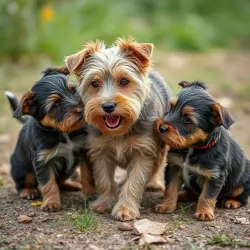 Like many medium to large-sized dogs, Gully Terriers can be prone to hip dysplasia, a condition where the hip joint doesn't develop properly, leading to arthritis and discomfort.
Due to their floppy or semi-erect ears, Gully Terriers can be more susceptible to ear infections. Regular ear cleaning and checking can help prevent this.
Their short coat can sometimes be prone to skin irritations, especially if they are exposed to harsh weather or poor hygiene. Allergies or parasite infestations (like fleas) can cause skin problems.
Gully Terriers are highly energetic, but they can be prone to obesity if they don't get enough exercise or are overfed. A balanced diet and regular activity are essential.
Some dogs in this breed may experience congenital eye issues like cataracts or progressive retinal atrophy (PRA), which can affect vision.
Regular vet check-ups to monitor joints, ears, and skin Consistent exercise to maintain a healthy weight Proper grooming to reduce risk of skin issues and ear infections
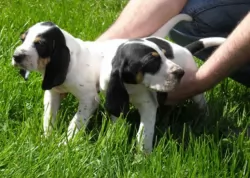 Your Grand Gascon Saintongeois is a robust dog, who with good care can reach up to 14 years of age. You're not going to be running to the vet often with this strong looking dog, but even so, there are one to two problems that you'll want to look out for.
Long-eared dogs are more susceptible to canine ear infections. The symptoms of the infection will be dependent on how severe it is. Certainly your dog may experience pain and you'll see him shaking his head and pawing at his ear. If both ears are affected by inflammation, he may even walk in a wobbly fashion and the infection could lead to deafness. It is imperative that he get to the vet as soon as possible.
This is where the ball and socket joint of the hip is malformed. It results in a joint rubbing and grinding. It can lead to loss of function of the hip joints. It is a common skeletal disease in young or old dogs, small or large dogs and in both males and females.
Large dogs are more commonly affected though with hip dysplasia which can see arthritis developing too. Your dog will display decreased activity and difficulty with standing up after lying down. Veterinary intervention will be required.
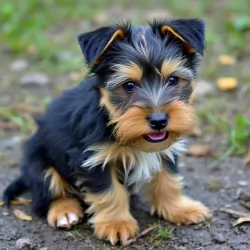 Caring for a Gully Terrier is straightforward but requires attention to their exercise, grooming, and training needs:
Gully Terriers are energetic and need daily exercise. Regular walks, runs, or play sessions will keep them happy and healthy.
They are smart and need activities that challenge their minds, like puzzle toys or training sessions.
Their short coat requires minimal care. Brush them once or twice a week and clean their ears regularly to prevent infections. Trim nails as needed.
Gully Terriers can be a bit independent, so start training early with positive reinforcement. Socialize them with people and other animals to avoid territorial behavior.
Feed them a balanced diet and control their portions to avoid weight gain. Regular vet check-ups will help keep them healthy.
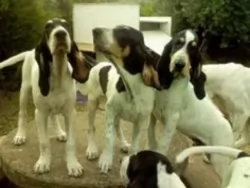 These large dogs with their short smooth coats have very little grooming needs. Regular brushing twice a week will remove dead hair and also ensure the good condition of the coat.
He has long ears and these will need to be checked regularly to avoid ear infections. It will be a good idea to learn how to clean the ears and to do it in such a way as to avoid damaging them. Signs of ear infection include redness, discharge, irritation and bad odor.
Following the feeding instructions on the packaging of top quality kibble, provide your Grand Gascon Saintongeois with at least 2 meals a day. To steer away from the monotony of kibble every day, mix in some raw meat from time to time, and also include some cooked brown rice, chicken and vegetables as a tasty treat. Fresh, cool water should always be easily accessible to him.