 MyDogBreeds
 Gully Terrier is originated from India but Gull Dong is originated from Pakistan. Gully Terrier may grow 50 cm / 19 inches shorter than Gull Dong. Gully Terrier may weigh 28 kg / 61 pounds lesser than Gull Dong. Gully Terrier may live 3 years more than Gull Dong. Both Gully Terrier and Gull Dong has same litter size. Gully Terrier requires Moderate maintenance. But Gull Dong requires Low maintenance
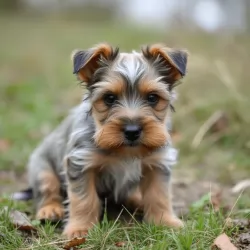 The Gully Terrier originated in India as a street dog, a mix of indigenous Indian Pariah Dogs and bully breeds like Pit Bulls and American Bulldogs.
Developed primarily for protection and hunting, they were used as guard dogs in urban and semi-urban areas. The name "Gully" refers to the narrow alleys and streets where these dogs were often found, while "Bully" highlights their muscular, strong build inherited from bully breeds.
Known for their loyalty, alertness, and protective instincts, Gully Terriers became valued companions for families in need of a strong, resilient dog that could thrive in tough environments.
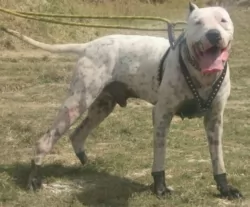 The Gull Dong dog is thought to come from British Colonial India during the 1900's. The area later became known as Pakistan, and this is where the dog originated from.
Known also as the Bully Gull Terr, the dog came about by crossing Bully Kutta (Pakistani Mastiff) with a pure bred Gull Terr. The breeders wanted a dog that had the best features and characteristics of both the 2 dog breeds.
They were looking for particular characteristics such as size, strength and speed. This is a rare dog breed and he isn’t associated with any kennels or clubs, so not many records have been kept regarding their origin and development.
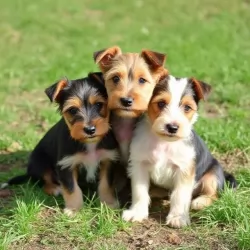 The Gully Terrier is a medium-sized, muscular dog known for its agility, loyalty, and protective nature. With a short, dense coat that comes in various colors, including black, brown, tan, and white, this breed has a distinctive appearance, often with a strong, powerful build.
The Gully Terrier is highly energetic and requires regular exercise to stay happy and healthy. Its intelligent, alert, and sometimes independent nature makes it a great guard dog and companion, although consistent training is necessary to manage its strong-willed personality.
This breed is well-suited for active families or individuals looking for a devoted and protective dog with a loving but protective demeanor.
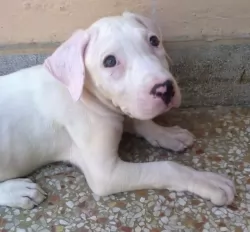 The deep chested Gull Dong is a large dog and stands at 76 – 106cm in height and weighs in the region of 40 – 63kg.
He has a short, smooth coat in various colors such as white, grey, black, brindle or bi-color such as white with black spots. He is a muscular, powerful breed dog and his ears are mostly cropped, but when left they are short and floppy. His tail can be docked but these days it tends to be left long. He has a huge head, and similar to bulldogs, this mastiff dog has loose skin around the jaw and neck.
This is a strong-willed dog who is also intelligent. Just his sheer size will require that you have him trained and socialized. It is actually important to train and discipline this dog as he is strong willed. He is intelligent and learns easily.
After training, he will require a strong, firm and consistent owner. He is fairly suspicious of strangers and won't take kindly to anyone who tries to come onto his properly. He is a dominant, aggressive dog and while he is a loyal, loving pet with his human family, he isn't an ideal dog to have with small children in the home.
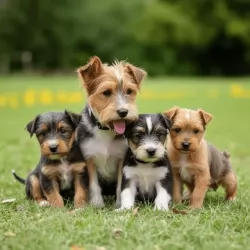 The Gully Terrier is a loyal, energetic, and intelligent breed with a strong, muscular build. Known for their protective nature, they make excellent guard dogs, staying alert and watchful of their surroundings.
While they are friendly and devoted to their family, they can also be independent and sometimes stubborn, requiring consistent training. Their short, dense coat is easy to groom, needing only regular brushing and ear cleaning.
Gully Terriers are active dogs that thrive on daily exercise and mental stimulation, making them great companions for those with an active lifestyle.
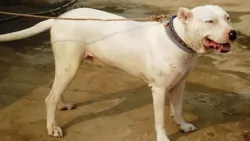 This is a powerful, intelligent dog and with training and socialization he is capable of becoming a loving, protective pet who listens to you.
He does tend to be aggressive and therefore people who are buying a dog for the first time might battle with the characteristics of this dog. He will certainly need a firm, strong, patient owner. He isn't the wisest choice for when you've got small children in the house, though well trained dogs and children are able to get along well together.
When your heavy, muscular Gull Dong is handled in a firm, kind manner, he is well exercised and fed and treated firmly and kindly, he is able to make a great, loyal companion.
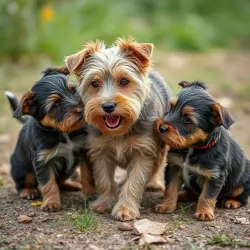 Like many medium to large-sized dogs, Gully Terriers can be prone to hip dysplasia, a condition where the hip joint doesn't develop properly, leading to arthritis and discomfort.
Due to their floppy or semi-erect ears, Gully Terriers can be more susceptible to ear infections. Regular ear cleaning and checking can help prevent this.
Their short coat can sometimes be prone to skin irritations, especially if they are exposed to harsh weather or poor hygiene. Allergies or parasite infestations (like fleas) can cause skin problems.
Gully Terriers are highly energetic, but they can be prone to obesity if they don't get enough exercise or are overfed. A balanced diet and regular activity are essential.
Some dogs in this breed may experience congenital eye issues like cataracts or progressive retinal atrophy (PRA), which can affect vision.
Regular vet check-ups to monitor joints, ears, and skin Consistent exercise to maintain a healthy weight Proper grooming to reduce risk of skin issues and ear infections
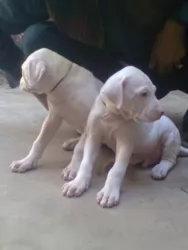 The Gull is a fairly healthy dog, and with good care he can reach 10, 11 or 12 years of age.
If you choose to own a white one, you will know that he is susceptible to deafness and skin problems. White coated dogs battle with deafness, and the reason for this is that they carry the piebald gene. The piebald gene is a result of the absence of melanocytes – those cells which create pigment.
The ability to hear comes from a layer of cells within the inner ear which come from the same stem cell source. Without this stem cell, the dog isn't able to make this specialized layer of hearing cells.
With hip dysplasia, the head of the thigh bone doesn’t fit properly into the hip socket, resulting in the bone wearing away and arthritis settling in. Your dog can experience pain and stiffness and he can become lame. You'll notice he is no longer enthusiastic to join in with games and exercise.
Hip dysplasia can be managed with medication while some dog owners, if they can afford it, turn to surgery which can be very costly.
He is a deep chested dog and this means you need to be aware of the risks associated with bloat, an emergency gastrointestinal syndrome which can be life threatening and where your dogs stomach becomes hard and bloated.
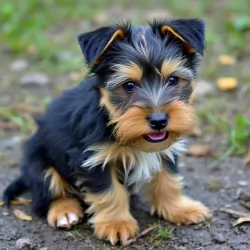 Caring for a Gully Terrier is straightforward but requires attention to their exercise, grooming, and training needs:
Gully Terriers are energetic and need daily exercise. Regular walks, runs, or play sessions will keep them happy and healthy.
They are smart and need activities that challenge their minds, like puzzle toys or training sessions.
Their short coat requires minimal care. Brush them once or twice a week and clean their ears regularly to prevent infections. Trim nails as needed.
Gully Terriers can be a bit independent, so start training early with positive reinforcement. Socialize them with people and other animals to avoid territorial behavior.
Feed them a balanced diet and control their portions to avoid weight gain. Regular vet check-ups will help keep them healthy.
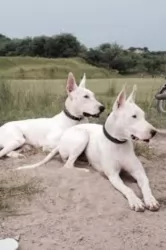 Plenty of room to run around in is important for the Gull Dong as he is a working breed who is used to having a job to do. You will certainly need to take him on walks or play rope- and ball games with him.
The Gull will require brushing twice a week as he is a short haired dog and an average shedder.
This is a large energetic dog and you will need to feed him a high quality food specially for large, energetic dogs. He needs his full quota of minerals and vitamins in his food. Provide him with homemade food such as cooked chicken, rice and vegetables and some raw meat from time to time. Never leave him without a constant supply of fresh, cool drinking water.