 MyDogBreeds
 Gully Terrier is originated from India but Keeshond is originated from Netherlands. Gully Terrier may grow 8 cm / 4 inches higher than Keeshond. Gully Terrier may weigh 17 kg / 38 pounds more than Keeshond. Both Gully Terrier and Keeshond has almost same life span. Both Gully Terrier and Keeshond has same litter size. Both Gully Terrier and Keeshond requires Moderate maintenance.
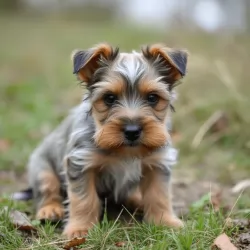 The Gully Terrier originated in India as a street dog, a mix of indigenous Indian Pariah Dogs and bully breeds like Pit Bulls and American Bulldogs.
Developed primarily for protection and hunting, they were used as guard dogs in urban and semi-urban areas. The name "Gully" refers to the narrow alleys and streets where these dogs were often found, while "Bully" highlights their muscular, strong build inherited from bully breeds.
Known for their loyalty, alertness, and protective instincts, Gully Terriers became valued companions for families in need of a strong, resilient dog that could thrive in tough environments.
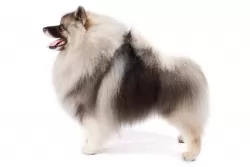 Keeshond is the term used for German Spitzes and although many American references have it that the Keeshond originated in the Netherlands, some say the dog originated in Germany and is a member of the German Spitz family.
The Club for German Spitzes was founded in 1899. The Nederlandse Keeshond Club was formed in 1924. The Keeshond is also referred to as ‘The Smiling Dutchman’.
It was in the 17th and 18th centuries that the Keeshond was used greatly as a watchdog, appearing in England in the late 1800s, but after the turn of the 20th century, Mrs. Wingfield Digby of Dorset, England and Mrs. Alice Gatacre, a Dutch breed authority, living in England, stirred interest in the breed with their kennels.
An English breed Club was formed in 1926, and the first Keeshond was registered with The American Kennel Club in 1930.
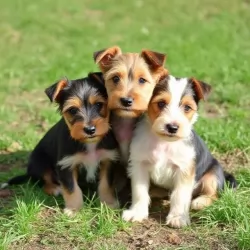 The Gully Terrier is a medium-sized, muscular dog known for its agility, loyalty, and protective nature. With a short, dense coat that comes in various colors, including black, brown, tan, and white, this breed has a distinctive appearance, often with a strong, powerful build.
The Gully Terrier is highly energetic and requires regular exercise to stay happy and healthy. Its intelligent, alert, and sometimes independent nature makes it a great guard dog and companion, although consistent training is necessary to manage its strong-willed personality.
This breed is well-suited for active families or individuals looking for a devoted and protective dog with a loving but protective demeanor.
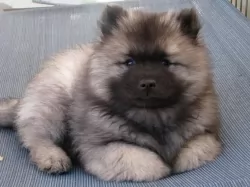 The Keeshond is a medium-sized dog and a member of the Spitz group of dogs. He stands at 43 – 48cm in height and weighs 14 – 18kg.
He has a 2-layered, dense coat which is fairly long, straight and coarse and colors are grey, silver, black and cream. His undercoat is a very light cream color. He has erect ears, a fairly shop muzzle and a feathery, plumed tail which curves over his back.
The hair on his legs is fairly short accompanied with some feathering. A typical marking-feature of the Keeshond is the dark line which runs from the outer corner of each eye to the lower corner of each ear. It's what gives the dog his well known keeshond expression. The eyes of the dog are dark brown.
The Keeshond, just like other Spitz dogs, are playful, affectionate, friendly and eager to please. He is intelligent too and will respond well to training and socialization.
He makes a wonderful family pet as he is friendly and playful with children, loving all their games. He gets on well with other pets too. He is a social dog, thriving on being with his human family, wanting to participate in all family activities.
They are sensitive, loving pets and become very attached to their owners. They have even been used as comfort dogs in rescue situations, as they bond so well with people.
He makes a good watchdog too with his loud bark which he uses to deter intruders. He may well be a good watch- and guard dog but he isn't an aggressive dog.
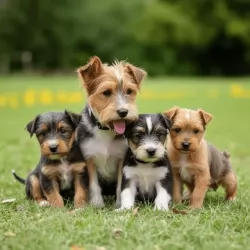 The Gully Terrier is a loyal, energetic, and intelligent breed with a strong, muscular build. Known for their protective nature, they make excellent guard dogs, staying alert and watchful of their surroundings.
While they are friendly and devoted to their family, they can also be independent and sometimes stubborn, requiring consistent training. Their short, dense coat is easy to groom, needing only regular brushing and ear cleaning.
Gully Terriers are active dogs that thrive on daily exercise and mental stimulation, making them great companions for those with an active lifestyle.
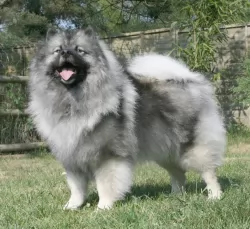 The Keeshond, with his thick double coat, loves to be outdoors in cool weather. He won't be there too long however, because he will be missing his human family. He is such a social dog, craving human company and therefore isn't a dog to be put out in the backyard and left day after day.
He loves games and being totally involved with his human family. Look after your Keeshond well – he is a companion dog - and you will find him to be a most exceptional friend of yours.
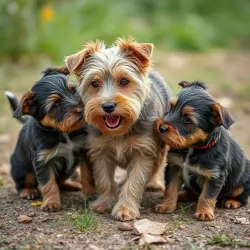 Like many medium to large-sized dogs, Gully Terriers can be prone to hip dysplasia, a condition where the hip joint doesn't develop properly, leading to arthritis and discomfort.
Due to their floppy or semi-erect ears, Gully Terriers can be more susceptible to ear infections. Regular ear cleaning and checking can help prevent this.
Their short coat can sometimes be prone to skin irritations, especially if they are exposed to harsh weather or poor hygiene. Allergies or parasite infestations (like fleas) can cause skin problems.
Gully Terriers are highly energetic, but they can be prone to obesity if they don't get enough exercise or are overfed. A balanced diet and regular activity are essential.
Some dogs in this breed may experience congenital eye issues like cataracts or progressive retinal atrophy (PRA), which can affect vision.
Regular vet check-ups to monitor joints, ears, and skin Consistent exercise to maintain a healthy weight Proper grooming to reduce risk of skin issues and ear infections
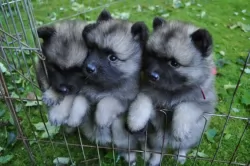 With good food, fresh water, exercise and lots of interaction with your Keeshond, he can reach 12 to 14 years of age.
No matter how healthy your dog is, he can still get ill, but the chances are less likely when he is feed nutritionally. Nonetheless look out for hip dysplasia, bloat, ear infections, skin rashes and eye diseases.
This is a problem in the lens of the eye. Your dog has a cloudy look to the eye. A cataract can occur when the cells are damaged. A disease such as diabetes can also cause a cataract and high blood sugar levels can change the metabolism of the cells in the lens.
The lens should be crystal clear, but with a cataract, the vision of the dog is obscured. It can cause blindness. Thankfully, cataracts aren't painful and most times dogs with cataracts can still see. There is the option of surgery to remove them too.
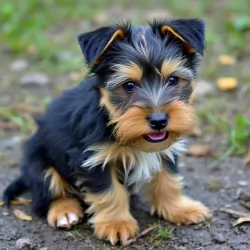 Caring for a Gully Terrier is straightforward but requires attention to their exercise, grooming, and training needs:
Gully Terriers are energetic and need daily exercise. Regular walks, runs, or play sessions will keep them happy and healthy.
They are smart and need activities that challenge their minds, like puzzle toys or training sessions.
Their short coat requires minimal care. Brush them once or twice a week and clean their ears regularly to prevent infections. Trim nails as needed.
Gully Terriers can be a bit independent, so start training early with positive reinforcement. Socialize them with people and other animals to avoid territorial behavior.
Feed them a balanced diet and control their portions to avoid weight gain. Regular vet check-ups will help keep them healthy.
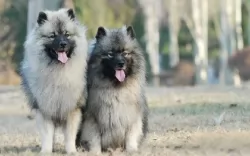 With his double coat, your Keeshond will need regular brushing to get rid of all those loose hairs. He is a dog which doesn't have that typical dog odor about him so bathing him is discouraged. Too much bathing irritates a dog's skin and dries it out.
Check the inside of his mouth and make sure that his teeth are in a healthy state. If you are unsure, speak to your vet about dental hygiene as bad teeth won't only cause pain and discomfort for your pet, the teeth can affect his immune system and other body parts.
Check his claws too and have them cut when they become too long. When they are long they can hook on things and injure the sensitive area of the paws.
The Keeshond is a sturdy dog, loving all the activities and games that his family are involved in. He will love to be your walking companion and looks forward to his walk every day.
He is such a playful, adventurous dog and is always willing to join you in new games. Never put him in your back garden and forget about him, as this will make him ill and depressed. He must be part of the family to be healthy and happy and relies on you to include him in all your activities. He can live in the city or the countryside but will require being exercised wherever he is.
Top quality dry kibble will work for your Keeshond. If you want to keep him bright eyed and bushy tailed, mix in some quality home-made food too such as cooked chicken, rice and vegetables. You can also try to sometimes include a little bit of raw meat as well.
He is an active dog and will need a diet high in protein. Also, his thick coat needs to be maintained, and apart from regular brushing, look for quality dog foods that have Omega-3 fatty acids in them so as to maintain the skin and coat of the dog. Make sure he always has access to fresh, cool water.