 MyDogBreeds
 Gully Terrier is originated from India but Komondor is originated from Hungary. Gully Terrier may grow 20 cm / 7 inches shorter than Komondor. Gully Terrier may weigh 25 kg / 55 pounds lesser than Komondor. Gully Terrier may live 3 years more than Komondor. Both Gully Terrier and Komondor has almost same litter size. Gully Terrier requires Moderate maintenance. But Komondor requires High maintenance
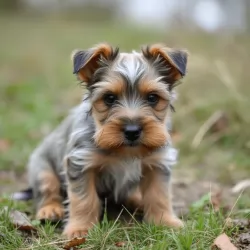 The Gully Terrier originated in India as a street dog, a mix of indigenous Indian Pariah Dogs and bully breeds like Pit Bulls and American Bulldogs.
Developed primarily for protection and hunting, they were used as guard dogs in urban and semi-urban areas. The name "Gully" refers to the narrow alleys and streets where these dogs were often found, while "Bully" highlights their muscular, strong build inherited from bully breeds.
Known for their loyalty, alertness, and protective instincts, Gully Terriers became valued companions for families in need of a strong, resilient dog that could thrive in tough environments.
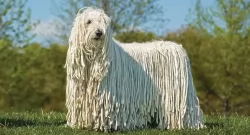 Looking like a giant mop, and sometimes being referred to as 'mop dogs' the Komondor, known also as the Hungarian sheepdog, hails from Hungary.
The dog was brought to Europe centuries ago so he is a well established breed. It has been declared as one of the country's national treasures.
He is a dog related to many other dogs such as the Pulim the Ovcharka, the Bearded Collie, Old English Sheepdog and others.
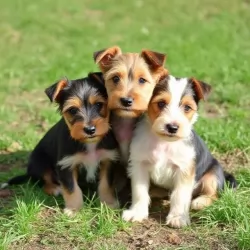 The Gully Terrier is a medium-sized, muscular dog known for its agility, loyalty, and protective nature. With a short, dense coat that comes in various colors, including black, brown, tan, and white, this breed has a distinctive appearance, often with a strong, powerful build.
The Gully Terrier is highly energetic and requires regular exercise to stay happy and healthy. Its intelligent, alert, and sometimes independent nature makes it a great guard dog and companion, although consistent training is necessary to manage its strong-willed personality.
This breed is well-suited for active families or individuals looking for a devoted and protective dog with a loving but protective demeanor.
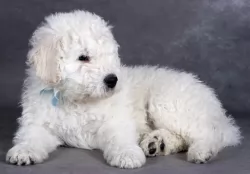 Known for his unique long corded, singular white coat, the Komondor, a molosser dog, is large. Females start at 64cm in height and both males and females can reach up to 76cm in height.
This unusual coat of theirs is wavy and actually forms cords or dreadlocks as the dog matures. You can't easily see the dog's face because of all the hair.You also can't see the tail easily, in fact you might think he hasn't got a tail as it is obscured by the hair. The tail is medium length and held low.
He has a large head, dark brown eyes, and floppy ears. The coat is certainly going to require grooming even though the dog doesn't shed much. His body is robust and well muscled with the body being slightly longer than the height of the dog.
The Komondor has been a dog used for guarding livestock, and while his character is calm and balanced, when the livestock is threatened, he can show another side – more aggressive – as he defends his flock. He makes an excellent watchdog.
He is an affectionate dog with his human family, being a gentle playmate of children. He is slightly reserved and wary of strangers, and is willing to guard and protect his human family from them.
He is also good with other family pets. When you look at him you might think of him as not being very energetic, but he is an athletic dog, fast and powerful. Because of his size and speed, it is best to have him trained and socialized as he can be obstinate. Training him makes him obedient.
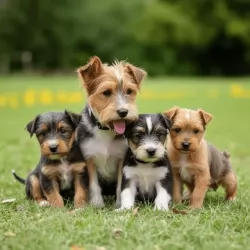 The Gully Terrier is a loyal, energetic, and intelligent breed with a strong, muscular build. Known for their protective nature, they make excellent guard dogs, staying alert and watchful of their surroundings.
While they are friendly and devoted to their family, they can also be independent and sometimes stubborn, requiring consistent training. Their short, dense coat is easy to groom, needing only regular brushing and ear cleaning.
Gully Terriers are active dogs that thrive on daily exercise and mental stimulation, making them great companions for those with an active lifestyle.
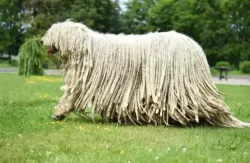 The Komondor is known for his strong guardian characteristics, especially with his human family. He is loving and loyal towards them while being wary of strangers.
True, his coat can make people think twice before making this dog a pet, but if you're game and ready to attend to his coat, he can make an excellent family pet. They're fine with other pets too, and he is also an intelligent dog, capable of being easily trained.
He needs a good deal of exercise and can become noisy and destructive without the right amount of stimulation. If you do your part with the Komondor and provide him with a loving, caring home, he will be an awesome pet and guard you with his life.
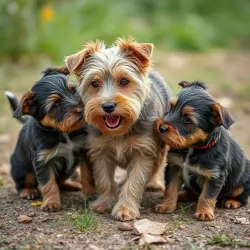 Like many medium to large-sized dogs, Gully Terriers can be prone to hip dysplasia, a condition where the hip joint doesn't develop properly, leading to arthritis and discomfort.
Due to their floppy or semi-erect ears, Gully Terriers can be more susceptible to ear infections. Regular ear cleaning and checking can help prevent this.
Their short coat can sometimes be prone to skin irritations, especially if they are exposed to harsh weather or poor hygiene. Allergies or parasite infestations (like fleas) can cause skin problems.
Gully Terriers are highly energetic, but they can be prone to obesity if they don't get enough exercise or are overfed. A balanced diet and regular activity are essential.
Some dogs in this breed may experience congenital eye issues like cataracts or progressive retinal atrophy (PRA), which can affect vision.
Regular vet check-ups to monitor joints, ears, and skin Consistent exercise to maintain a healthy weight Proper grooming to reduce risk of skin issues and ear infections
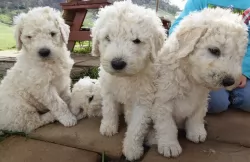 The Komondor is a healthy dog breed who can live to be 10, 11 or 12 years if you look after him well. There aren't any known genetic disorders prominent with the dog, but it pays to know about some of those that could strike -
This is an irritating eye problem where the eyelash rubs up against the eyes.The result can be scratching of the cornea and eye infections. It is an eye problem which can be corrected with surgery.
Hip dysplasia is a serious genetically inherited disorder and common in large dog breeds. It is caused by a malformation of the hip joint. It can cause problems for the dog, weakening the hip and making it incapable of supporting the weight of the dog.
It also leads to pain for the dog, difficulty with moving and even total lameness. Weight, size of dog, age and genetics are all factors which can increase the dog's likelihood of developing hip dysplasia.
Whimpering, lethargy and refusing to put weight on the leg are common signs of hip dysplasia and your vet will go ahead with ways to relieve the pain and symptoms of your Komondor.
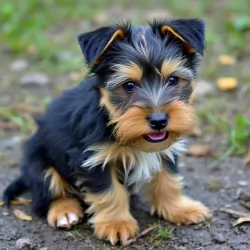 Caring for a Gully Terrier is straightforward but requires attention to their exercise, grooming, and training needs:
Gully Terriers are energetic and need daily exercise. Regular walks, runs, or play sessions will keep them happy and healthy.
They are smart and need activities that challenge their minds, like puzzle toys or training sessions.
Their short coat requires minimal care. Brush them once or twice a week and clean their ears regularly to prevent infections. Trim nails as needed.
Gully Terriers can be a bit independent, so start training early with positive reinforcement. Socialize them with people and other animals to avoid territorial behavior.
Feed them a balanced diet and control their portions to avoid weight gain. Regular vet check-ups will help keep them healthy.
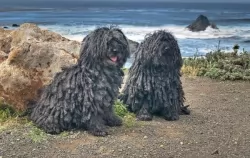 The Komondor is most certainly not a low maintenance dog with that extraordinary coat.Before the dog turns 1, the coat begins to form its cords. These cords can become discolored and matted, In fact the cords will need to be separated to keep the dog clean and free of matted hair.
For those who keep the dog as a pet and who don't want him to be a show dog, he can be trimmed, otherwise the coat and its maintenance could turn out to be a real issue.
Of course once the distinctive coat has been sheared, he loses that typical and recognizable Komondor look.
Check his ears on a regular basis for wax- and dirt buildup so as to prevent ear infection.
Teeth need to be checked regularly to prevent tartar buildup and if you don't have the time or the knowledge to keep his teeth clean and maintained, take him to the vet as the teeth-treatments they do there will promote healthy teeth and gums.