 MyDogBreeds
Gully Terrier is originated from India but Kuri is originated from French Polynesia. Gully Terrier may grow 10 cm / 4 inches higher than Kuri. Gully Terrier may weigh 20 kg / 45 pounds more than Kuri. Both Gully Terrier and Kuri has almost same life span. Both Gully Terrier and Kuri has same litter size. Gully Terrier requires Moderate maintenance. But Kuri requires Low maintenance
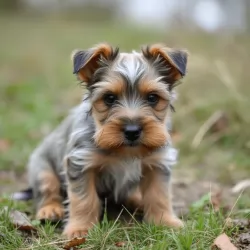 The Gully Terrier originated in India as a street dog, a mix of indigenous Indian Pariah Dogs and bully breeds like Pit Bulls and American Bulldogs.
Developed primarily for protection and hunting, they were used as guard dogs in urban and semi-urban areas. The name "Gully" refers to the narrow alleys and streets where these dogs were often found, while "Bully" highlights their muscular, strong build inherited from bully breeds.
Known for their loyalty, alertness, and protective instincts, Gully Terriers became valued companions for families in need of a strong, resilient dog that could thrive in tough environments.
Kurī, also known as Guri or Peroor New Zealand Native Dog, is the Maori name for this dog which was introduced to New Zealand by the Maoris when they migrated from East Polynesia around 1280 AD.
They were in fact Polynesian dogs which died out in New Zealand. The Māoris would use the dog as a food source and the skins would be used to make some form of clothing. The bones were used to make items such as necklaces and fish hooks.
Not surprising then that the dog became extinct in New Zealand, with the last known Kuri specimens being found in the Museum of New Zealand Te Papa Tongarewa.
 The Gully Terrier is a medium-sized, muscular dog known for its agility, loyalty, and protective nature. With a short, dense coat that comes in various colors, including black, brown, tan, and white, this breed has a distinctive appearance, often with a strong, powerful build.
The Gully Terrier is highly energetic and requires regular exercise to stay happy and healthy. Its intelligent, alert, and sometimes independent nature makes it a great guard dog and companion, although consistent training is necessary to manage its strong-willed personality.
This breed is well-suited for active families or individuals looking for a devoted and protective dog with a loving but protective demeanor.
The Kuri is extinct now but it was a small to medium sized dog with a thick set neck. He stood between 25 and 46cm and weighed about 13 to 15 kilograms.
He had thick medium-length rough textured hair, small head, erect ears, short legs and a bushy tail. The color of their weatherproof coats varied and some were black, some white or cream and some were a mix of colors and patterns.
An interesting feature about them is that they didn’t bark but instead they howled. They were good at hunting birds.
The Kuri wasn’t considered the brightest breed, but he would have benefited from some training and socialization as this just makes a dog a better pet in every sense – more obedient and better behaved in all situations.
Some Kuris were friendly and able to bond with their human owners, while others were independent and somewhat aloof. Their size would have allowed them to be kept in the city or the country as they weren’t particularly energetic dogs, not requiring much ground to run around in.
 The Gully Terrier is a loyal, energetic, and intelligent breed with a strong, muscular build. Known for their protective nature, they make excellent guard dogs, staying alert and watchful of their surroundings.
While they are friendly and devoted to their family, they can also be independent and sometimes stubborn, requiring consistent training. Their short, dense coat is easy to groom, needing only regular brushing and ear cleaning.
Gully Terriers are active dogs that thrive on daily exercise and mental stimulation, making them great companions for those with an active lifestyle.
It appears as though some Kuris were kept as pets and that they were able to develop loving relationships with their owners.
We don’t know too much about the extinct Kuri, but scientists are now studying and analyzing the hairs of the dog to find out more about it, and specifically why the Maori dog disappeared some time in the 19th century without a trace.
They will also be analyzing Kuri bones salvaged by archaeologists and which were found on rubbish heaps. These bones can be tested to see whether the diet of the Kuri changed much between the days of Maori settlements and the arrival of the European settlers.
 Like many medium to large-sized dogs, Gully Terriers can be prone to hip dysplasia, a condition where the hip joint doesn't develop properly, leading to arthritis and discomfort.
Due to their floppy or semi-erect ears, Gully Terriers can be more susceptible to ear infections. Regular ear cleaning and checking can help prevent this.
Their short coat can sometimes be prone to skin irritations, especially if they are exposed to harsh weather or poor hygiene. Allergies or parasite infestations (like fleas) can cause skin problems.
Gully Terriers are highly energetic, but they can be prone to obesity if they don't get enough exercise or are overfed. A balanced diet and regular activity are essential.
Some dogs in this breed may experience congenital eye issues like cataracts or progressive retinal atrophy (PRA), which can affect vision.
Regular vet check-ups to monitor joints, ears, and skin Consistent exercise to maintain a healthy weight Proper grooming to reduce risk of skin issues and ear infections
Some Kuri dogs scavenged while others were pets and ate well. The lifestyle they led would have determined their health. In those days they would have suffered with dental disease, common in adult dogs. Left untreated, dental disease can lead to dental tartar buildup with gum inflammation and tooth loss.
Dental disease can also lead to other organ diseases. These days brushing your dog’s teeth with canine toothpaste and toothbrush can help to ward off dental disease.
Those Kuris that weren’t pets, tried to survive scavenging, and their homeless situation could well have led to ear infections – caused from a wax- and dirt buildup within the ear. He would have been frantic trying to scratch his ears. In modern times, if your dog showed signs of an ear infection, you would need to get him to the vet.
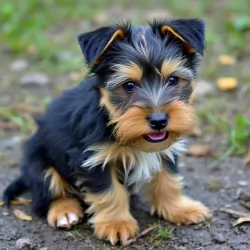 Caring for a Gully Terrier is straightforward but requires attention to their exercise, grooming, and training needs:
Gully Terriers are energetic and need daily exercise. Regular walks, runs, or play sessions will keep them happy and healthy.
They are smart and need activities that challenge their minds, like puzzle toys or training sessions.
Their short coat requires minimal care. Brush them once or twice a week and clean their ears regularly to prevent infections. Trim nails as needed.
Gully Terriers can be a bit independent, so start training early with positive reinforcement. Socialize them with people and other animals to avoid territorial behavior.
Feed them a balanced diet and control their portions to avoid weight gain. Regular vet check-ups will help keep them healthy.
The Kuri will have required regular grooming which means a brushing down twice a week. Brushing would have been useful to prevent loose hairs from shedding with the dog. He would have had to have his ears and eyes checked too to avoid infections. Brushing him would have given his owner the chance to check him over for fleas and ticks too.
As the Kuri wasn’t an overly energetic dog, a walk a day would have kept him content and fit.
The Kuri was a dog that essentially formed part of someone else’s diet. Those that managed to escape being a meal for someone no doubt had to scavenge for food. Because they were used to help people catch birds, they themselves were used to catching birds for themselves.
As a small to medium sized dog, if you were to keep such a dog as a pet you would have given him a cup or two of dried kibble a day and tried to vary his diet by including some home-cooked food and raw meat.