 MyDogBreeds
 Gully Terrier is originated from India but Labradoodle is originated from Australia. Gully Terrier may grow 7 cm / 2 inches shorter than Labradoodle. Both Gully Terrier and Labradoodle are having almost same weight. Both Gully Terrier and Labradoodle has almost same life span. Both Gully Terrier and Labradoodle has almost same litter size. Both Gully Terrier and Labradoodle requires Moderate maintenance.
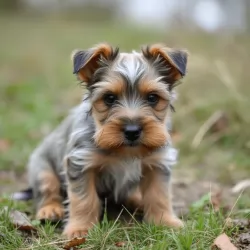 The Gully Terrier originated in India as a street dog, a mix of indigenous Indian Pariah Dogs and bully breeds like Pit Bulls and American Bulldogs.
Developed primarily for protection and hunting, they were used as guard dogs in urban and semi-urban areas. The name "Gully" refers to the narrow alleys and streets where these dogs were often found, while "Bully" highlights their muscular, strong build inherited from bully breeds.
Known for their loyalty, alertness, and protective instincts, Gully Terriers became valued companions for families in need of a strong, resilient dog that could thrive in tough environments.
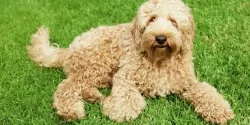 The Labradoodle is certainly a popular cross breed dog which was developed originally in Australia to be a hypoallergenic guide dog.
The dog is a cross between a Labrador and a Poodle, possessing some of the excellent characteristics from each dog while also being a low shedding dog.
The Labradoodle became known in 1988 when an Australian breeder, crossed the Labrador Retriever and Standard Poodle. The success of the dog led other breeders to begin breeding with Labradors and Poodles, with breeders wanting to move the dog from hybrid to official breed status. As of today, the Labradoodle isn’t recognized as a breed by the American Kennel Club.
 The Gully Terrier is a medium-sized, muscular dog known for its agility, loyalty, and protective nature. With a short, dense coat that comes in various colors, including black, brown, tan, and white, this breed has a distinctive appearance, often with a strong, powerful build.
The Gully Terrier is highly energetic and requires regular exercise to stay happy and healthy. Its intelligent, alert, and sometimes independent nature makes it a great guard dog and companion, although consistent training is necessary to manage its strong-willed personality.
This breed is well-suited for active families or individuals looking for a devoted and protective dog with a loving but protective demeanor.
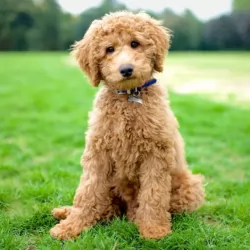 The Labradoodle can come in different sizes – miniature, medium and standard. The standard Labradoodle is a large dog which stands at 53 to 63cm and weighs 23 to 30kg.
The coat also differs and it can be made up of tight curls or it can be thick and wavy or even straight. The coat is of medium length and is available in lots of colors – cream, apricot, black, whitish, brown and even a brindle color.
Strong and muscular, he has floppy ears and the tail which was once docked, is left long these days and hangs down or it can be carried somewhat upright and curved.
Known as a designer breed, your Labradoodle is sure to be nothing but a pleasure for you, being a 100% companion dog.
Because he comes from two popular dog breeds of which each possess some exceptional characteristics, your Labradoodle could inherit any or all of the characteristics from one or both dogs. He has also been bred to be a hypoallergenic dog which means you aren’t going to have to worry about too much hair flying around. But there again, if he has inherited more of the Labrador’s coat then there will be some shedding.
Because of his amicable nature, he makes a good first-choice dog for first-time dog owners too. The friendly nature of the dog doesn’t make him a particularly good watch dog however.
These are dogs which are happiest when they’re with their human family. They’re a dog breed which is also easy to train because he is intelligent and an eager-to-please dog. He gets on well with children in the home as well as with other pets.
He is the kind of dog that is willing to blend into your lifestyle. If you’re quietly reading indoors he will be lying with you and if you’re pursuing some outdoor activity, he’ll be happy to join right in with you.
The beauty about the Labradoodle is that he can adapt to any kind of lifestyle in the city or countryside, but he wouldn’t be recommended for a place with hardly any garden.He is the kind of dog who will certainly need to be exercised and he will want to join you in your outdoor activities.
It is important to remember that the way your Labradoodle turns out will be affected by socialization and training, his genes and your home and lifestyle.
 The Gully Terrier is a loyal, energetic, and intelligent breed with a strong, muscular build. Known for their protective nature, they make excellent guard dogs, staying alert and watchful of their surroundings.
While they are friendly and devoted to their family, they can also be independent and sometimes stubborn, requiring consistent training. Their short, dense coat is easy to groom, needing only regular brushing and ear cleaning.
Gully Terriers are active dogs that thrive on daily exercise and mental stimulation, making them great companions for those with an active lifestyle.
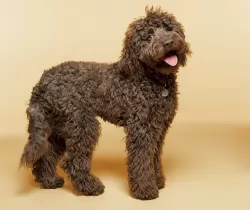 Maybe it’s the diversity of Labradoodles that makes them so popular – as you never know quite what you’re going to get.
Everyone agrees however that these cross-breeds make lovable, wonderful pets - lovely to look at and with all the qualities needed to ensure he is man's best friend. They’re available in 3 sizes but each size is going to make you an incredibly amazing pet and companion.
 Like many medium to large-sized dogs, Gully Terriers can be prone to hip dysplasia, a condition where the hip joint doesn't develop properly, leading to arthritis and discomfort.
Due to their floppy or semi-erect ears, Gully Terriers can be more susceptible to ear infections. Regular ear cleaning and checking can help prevent this.
Their short coat can sometimes be prone to skin irritations, especially if they are exposed to harsh weather or poor hygiene. Allergies or parasite infestations (like fleas) can cause skin problems.
Gully Terriers are highly energetic, but they can be prone to obesity if they don't get enough exercise or are overfed. A balanced diet and regular activity are essential.
Some dogs in this breed may experience congenital eye issues like cataracts or progressive retinal atrophy (PRA), which can affect vision.
Regular vet check-ups to monitor joints, ears, and skin Consistent exercise to maintain a healthy weight Proper grooming to reduce risk of skin issues and ear infections
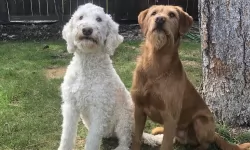 Labradoodles can be a little bit unpredictable when it comes to their health because they can inherit problems common to one or both parent breeds. This means you could well have to deal with hip dysplasia or one of the many eye disorders there are.
These dogs could well be susceptible to an eye disease known as progressive retinal atrophy which is an inherited disease which can result in blindness.
Because they have floppy ears, the inside of the ear can accumulate dirt, wax and moisture, and this combination can lead to bacteria within the ear and to an infection if nothing is done to clean the inside of the ear. There are products available which can help you to gently clean the ears.
Addison's Disease is a disease found in Poodles and Labradors.It is where the pituitary gland doesn’t create the hormone ACTH. This hormone regulates cortisol and without cortisol, your Labradoodle can’t digest food properly.
Dogs with Addison's disease are usually lethargic, thirsty, they urinate often and they have an abnormally fast heart rate.
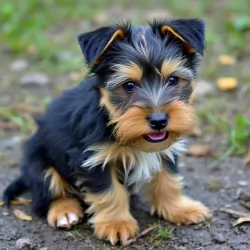 Caring for a Gully Terrier is straightforward but requires attention to their exercise, grooming, and training needs:
Gully Terriers are energetic and need daily exercise. Regular walks, runs, or play sessions will keep them happy and healthy.
They are smart and need activities that challenge their minds, like puzzle toys or training sessions.
Their short coat requires minimal care. Brush them once or twice a week and clean their ears regularly to prevent infections. Trim nails as needed.
Gully Terriers can be a bit independent, so start training early with positive reinforcement. Socialize them with people and other animals to avoid territorial behavior.
Feed them a balanced diet and control their portions to avoid weight gain. Regular vet check-ups will help keep them healthy.
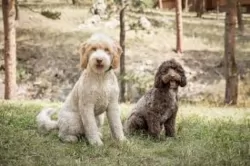 Grooming your Labradoodle will be necessary if you want the coat to look bright, vibrant and healthy. Not all Labradoodles will have the same coats, so grooming requirements might be different from dog to dog.
As with any dog, he will also need a brush-down twice a week. Also your Labradoodle might require trimming or clipping which will help you to maintain the coat in an easier fashion.
Make sure to ensure a top quality diet suited to his size, age and energy levels. Check him over regularly for illnesses and make sure you provide him with lots of love and attention.