 MyDogBreeds
 Gully Terrier is originated from India but Lakeland Terrier is originated from United Kingdom. Gully Terrier may grow 18 cm / 8 inches higher than Lakeland Terrier. Gully Terrier may weigh 27 kg / 60 pounds more than Lakeland Terrier. Both Gully Terrier and Lakeland Terrier has almost same life span. Gully Terrier may have more litter size than Lakeland Terrier. Both Gully Terrier and Lakeland Terrier requires Moderate maintenance.
 The Gully Terrier originated in India as a street dog, a mix of indigenous Indian Pariah Dogs and bully breeds like Pit Bulls and American Bulldogs.
Developed primarily for protection and hunting, they were used as guard dogs in urban and semi-urban areas. The name "Gully" refers to the narrow alleys and streets where these dogs were often found, while "Bully" highlights their muscular, strong build inherited from bully breeds.
Known for their loyalty, alertness, and protective instincts, Gully Terriers became valued companions for families in need of a strong, resilient dog that could thrive in tough environments.
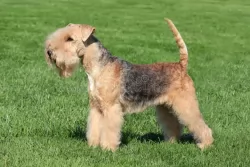 The Lakeland Terrier hails from the lake district of England. They were bred to hunt foxes that were coming after the lambs during lambing season.
These dogs are connected to a number of terrier breeds such as the Bedlington-, Border-, Old English Black and Tan- as well as the Dandie Dinmont Terriers.
In 1921 the Lakeland Terrier Association was formed and the American Kennel Club registered a Lakeland in 1934.
 The Gully Terrier is a medium-sized, muscular dog known for its agility, loyalty, and protective nature. With a short, dense coat that comes in various colors, including black, brown, tan, and white, this breed has a distinctive appearance, often with a strong, powerful build.
The Gully Terrier is highly energetic and requires regular exercise to stay happy and healthy. Its intelligent, alert, and sometimes independent nature makes it a great guard dog and companion, although consistent training is necessary to manage its strong-willed personality.
This breed is well-suited for active families or individuals looking for a devoted and protective dog with a loving but protective demeanor.
 The Lakeland Terrier is a small to medium-sized dog which stands at between 33 – 38cm at the withers and weighs between 7 – 8kg.
The head is rectangular and he has semi-erect, semi-floppy ears and a docked tail which is held up. These days you’ll find the Lakeland being left with a long tail, taking away that attractive, square, compact look. The crisp double coat can come in a number of colors such as tan, grizzle, black and tan together, a wheatish color with some red and white. The coat is regarded as being hypoallergenic.
Possessing a number of positive attributes, Lakies, a nickname of these jaunty little dogs, is a friendly, loving, bold, self-confident dog. You’ll find that he is also determined and strong-willed but training and socialization turns him into a more obedient dog. He then gets on well with everyone in the household as well as with other pets.
They are intelligent dogs, so it won’t be difficult training him when proper training methods are used.
He is adaptable too and will adapt to life in the city or in the countryside, so long as he is exercised regularly as they are excitable, energetic dogs.
 The Gully Terrier is a loyal, energetic, and intelligent breed with a strong, muscular build. Known for their protective nature, they make excellent guard dogs, staying alert and watchful of their surroundings.
While they are friendly and devoted to their family, they can also be independent and sometimes stubborn, requiring consistent training. Their short, dense coat is easy to groom, needing only regular brushing and ear cleaning.
Gully Terriers are active dogs that thrive on daily exercise and mental stimulation, making them great companions for those with an active lifestyle.
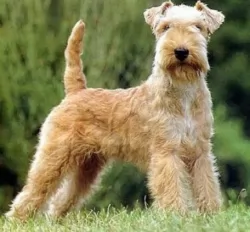 It doesn’t matter that the Lakeland Terrier was bred to hunt and kill foxes in the Lake District of England because he is more than willing to settle down and become a loving and devoted pet too.
He is a robust dog, known for his determination and courage. He is an energetic dog too so when you bring him into your home, be prepared to up your activity levels to cater for your energetic friend.
You can add good health to his list of positive attributes. He is a healthy dog breed with few health complaints to write about. Treat him well as every dog deserves and you can have him around for about 15, 16 or 17 years.
 Like many medium to large-sized dogs, Gully Terriers can be prone to hip dysplasia, a condition where the hip joint doesn't develop properly, leading to arthritis and discomfort.
Due to their floppy or semi-erect ears, Gully Terriers can be more susceptible to ear infections. Regular ear cleaning and checking can help prevent this.
Their short coat can sometimes be prone to skin irritations, especially if they are exposed to harsh weather or poor hygiene. Allergies or parasite infestations (like fleas) can cause skin problems.
Gully Terriers are highly energetic, but they can be prone to obesity if they don't get enough exercise or are overfed. A balanced diet and regular activity are essential.
Some dogs in this breed may experience congenital eye issues like cataracts or progressive retinal atrophy (PRA), which can affect vision.
Regular vet check-ups to monitor joints, ears, and skin Consistent exercise to maintain a healthy weight Proper grooming to reduce risk of skin issues and ear infections
 The truth about any dog is that good nutrition, exercise and lots of love can contribute to ensuring a long, healthy life for your pet.
Some health problems are inherited while others can be prevented simply by the kind of home you provide your pet with. Once you decide to bring a dog into your home, you need to do everything you can to ensure his wellbeing.
This is a joint problem which can see your pet limping or moving along in a skipping manner. You will need to see the vet because sometimes friction can lead to osteoarthritis, pain and lameness.
Eye problems such as cataracts and glaucoma can lead to blindness.
Terrier dogs are prone to allergies and dry, itchy skin can lead to other problems such as bacterial infections and be frustrating and stressful for your pet.
 Caring for a Gully Terrier is straightforward but requires attention to their exercise, grooming, and training needs:
Gully Terriers are energetic and need daily exercise. Regular walks, runs, or play sessions will keep them happy and healthy.
They are smart and need activities that challenge their minds, like puzzle toys or training sessions.
Their short coat requires minimal care. Brush them once or twice a week and clean their ears regularly to prevent infections. Trim nails as needed.
Gully Terriers can be a bit independent, so start training early with positive reinforcement. Socialize them with people and other animals to avoid territorial behavior.
Feed them a balanced diet and control their portions to avoid weight gain. Regular vet check-ups will help keep them healthy.
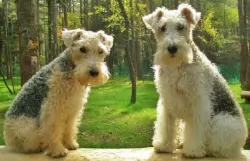 Grooming doesn’t only keep your 4-legged friend in tip top shape in terms of looking well cared for, it makes him feel good too and it contributes to his wellbeing.
Regular grooming also decreases the chance of health problems because you can simultaneously check him for lumps, scratches, parasites and allergies.
Stripping is a technique where you pull the dead hair out of the coat by either using your fingers or a stripping knife. This stripping makes makes room for a new coat to grow.
It is a good and effective grooming method for Terrier type dogs, and the best part about it is that if it is done correctly, the process is painless.
Other Terrier owners have a professional groomer clip the coat. In between these grooming procedures, brush your Lakie twice a week to keep the coat soft, springy and shiny.
Other grooming needs for your Lakeland include trimming his nails as needed, checking the inside of his ears for dirt and too much wax and brushing his teeth twice a week to keep tartar and bacteria at bay.
If you’re a responsible dog owner and you are unsure how to do these grooming procedures, there is no need to fret as there are always professional groomers and dental cleaning procedures that your vet will recommend. These experts can do the job professionally and painlessly for your pet.
Nothing is set in stone about what your Lakeland Terrier should eat, but it is a known fact that high quality, nutritious food wards off illness and increases longevity.
How much your adult dog eats will depend on his age and his activity levels. You want to ensure he gets the right proportions to avoid obesity too. The female Lakeland will give you 3 – 4 puppies and during this time you want to ensure she’s getting the very best, nutritious food there is – after all it’s for the sake of her puppies.
The truth about any dog is that good nutrition, exercise and lots of love can contribute to ensuring a long, healthy life for your pet. Some health problems are inherited while others can be prevented simply by the kind of home you provide your pet with.
Once you decide to bring a dog into your home, you need to do everything you can to ensure his well-being.