 MyDogBreeds
 Gully Terrier is originated from India but Large Munsterlander is originated from Germany. Gully Terrier may grow 9 cm / 3 inches shorter than Large Munsterlander. Both Gully Terrier and Large Munsterlander are having almost same weight. Both Gully Terrier and Large Munsterlander has almost same life span. Both Gully Terrier and Large Munsterlander has almost same litter size. Both Gully Terrier and Large Munsterlander requires Moderate maintenance.
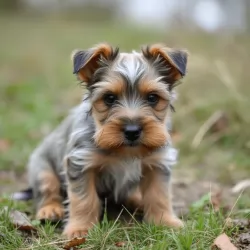 The Gully Terrier originated in India as a street dog, a mix of indigenous Indian Pariah Dogs and bully breeds like Pit Bulls and American Bulldogs.
Developed primarily for protection and hunting, they were used as guard dogs in urban and semi-urban areas. The name "Gully" refers to the narrow alleys and streets where these dogs were often found, while "Bully" highlights their muscular, strong build inherited from bully breeds.
Known for their loyalty, alertness, and protective instincts, Gully Terriers became valued companions for families in need of a strong, resilient dog that could thrive in tough environments.
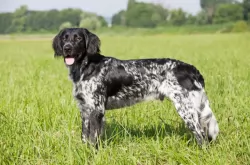 The Large Münsterländer hails from the Münster region in Germany. It was in 1919 that the first breed club was founded.
The dog’s ancestors were different Spaniel breeds as well as the German Longhaired Pointer. The dog quickly became a sought after hunting dog in Europe.
The Large Munsterlander Association of America is the only official breed organization for this dog. The dog was recognized by the United Kennel Club in 2006.
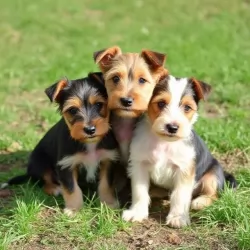 The Gully Terrier is a medium-sized, muscular dog known for its agility, loyalty, and protective nature. With a short, dense coat that comes in various colors, including black, brown, tan, and white, this breed has a distinctive appearance, often with a strong, powerful build.
The Gully Terrier is highly energetic and requires regular exercise to stay happy and healthy. Its intelligent, alert, and sometimes independent nature makes it a great guard dog and companion, although consistent training is necessary to manage its strong-willed personality.
This breed is well-suited for active families or individuals looking for a devoted and protective dog with a loving but protective demeanor.
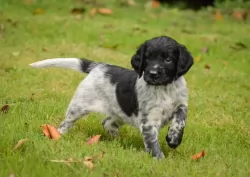 The medium to large Large Munsterlander stands between 60 to 65cm at the withers and weighs about 28 to 32kg.
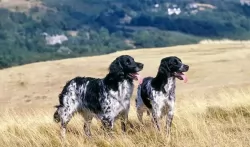
When you look at him, you get the feeling that you’re looking at a springer spaniel. He has long broad feathery ears and also a long feathery tail. The head is fairly broad and somewhat rounded.
The coat of the dog is long and dense, and is quite wavy with feathering around the legs and tail. He can be black and white or be a reddish brown with patches or ticking because of the piebald gene. If you allow your Large Munsterlander to become a parent, the average litter of this dog is 5 to 10 puppies.
The Large Munsterlander is essentially a tracking, retrieving dog. He makes an excellent hunting dog and these instincts are strong within this particular breed. It is why some breeders only give their puppies to serious hunters.
He is an active dog, and because he loves to retrieve, ball games will suit him down to the ground. Take him with you on your walks as he is a naturally athletic, active dog.
He loves water too and won’t need a second invitation from you to jump right into dams or pools. He is such an easy going dog, getting on well with children and pets in the home and being a good first choice for first time dog owners too. However, he requires plenty of exercise.
Because he is a hunting and retrieving dog, he will be far better suited to living in a home where there is a fair sized garden. He isn’t regarded as a city dwelling dog. These are dogs that just love to be outside and running around.
The Large Munsterlander can be a boisterous dog, so teaching him some basic commands such as ‘come, stay, lie-down, sit or heel’ will improve the way he behaves inside the home and when in the company of other people.
Training and socialization will do him the world of good and it means you can take your dog anywhere – he’ll always be well behaved, becoming a calm, gentle dog.
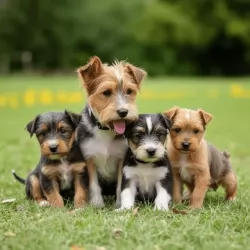 The Gully Terrier is a loyal, energetic, and intelligent breed with a strong, muscular build. Known for their protective nature, they make excellent guard dogs, staying alert and watchful of their surroundings.
While they are friendly and devoted to their family, they can also be independent and sometimes stubborn, requiring consistent training. Their short, dense coat is easy to groom, needing only regular brushing and ear cleaning.
Gully Terriers are active dogs that thrive on daily exercise and mental stimulation, making them great companions for those with an active lifestyle.
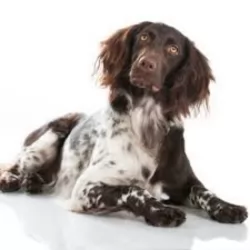 As a sporting dog, the Large Munsterlander loves his exercise. You can involve him in all kinds of outdoor activities, and he’ll readily join in, from swimming, to hiking to ball games to just plain running for the fun of it.
Always be careful with puppies though, before you involve such a young dog with such strenuous exercise. For a better chance of avoiding hip dysplasia, it is better to wait till he is about 12 months old before you involve him in too many lively activities.
He’s an easily trainable dog too, and the fact that he is a calm, gentle dog who is loving and loyal makes him an excellent pet choice.
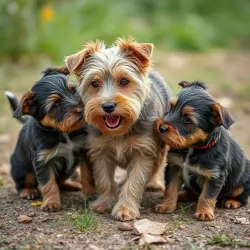 Like many medium to large-sized dogs, Gully Terriers can be prone to hip dysplasia, a condition where the hip joint doesn't develop properly, leading to arthritis and discomfort.
Due to their floppy or semi-erect ears, Gully Terriers can be more susceptible to ear infections. Regular ear cleaning and checking can help prevent this.
Their short coat can sometimes be prone to skin irritations, especially if they are exposed to harsh weather or poor hygiene. Allergies or parasite infestations (like fleas) can cause skin problems.
Gully Terriers are highly energetic, but they can be prone to obesity if they don't get enough exercise or are overfed. A balanced diet and regular activity are essential.
Some dogs in this breed may experience congenital eye issues like cataracts or progressive retinal atrophy (PRA), which can affect vision.
Regular vet check-ups to monitor joints, ears, and skin Consistent exercise to maintain a healthy weight Proper grooming to reduce risk of skin issues and ear infections
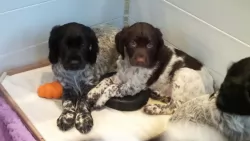 All dogs can develop some health problems no matter how healthy they are, but when they are happy dogs, they’re well fed, exercised and loved, they have a better chance of reaching a ripe old age.
Large Munsterlanders are generally healthy dogs. Some conditions reported in the breed which are highly unlikely to affect your dog, but are good knowing about are hip dysplasia, cataracts and osteochondrosis.
This is a common condition where the joints of quickly growing puppies are affected. The surface of the joint doesn’t convert into bone in certain areas. The result is thickened cartilage which detaches from the surrounding normal cartilage, forming a flap.
Osteochondrosis causes the development of osteoarthritis, affecting certain joints of the dog. Both genetics and the wrong diet are causes of osteochondrosis.
It isn’t always possible to feed your dog wholesome food, but always try to get the very best quality food there is. Also, don’t allow your young Large Munsterlander to be involved in strenuous exercise before he reaches one year of age. Pounding around can put abnormal weight on the joints which can spell problems when the dog is older. Osteochondrosis mostly affects large and giant breed dogs.
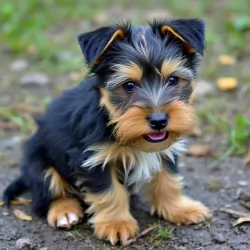 Caring for a Gully Terrier is straightforward but requires attention to their exercise, grooming, and training needs:
Gully Terriers are energetic and need daily exercise. Regular walks, runs, or play sessions will keep them happy and healthy.
They are smart and need activities that challenge their minds, like puzzle toys or training sessions.
Their short coat requires minimal care. Brush them once or twice a week and clean their ears regularly to prevent infections. Trim nails as needed.
Gully Terriers can be a bit independent, so start training early with positive reinforcement. Socialize them with people and other animals to avoid territorial behavior.
Feed them a balanced diet and control their portions to avoid weight gain. Regular vet check-ups will help keep them healthy.
 The Large Munsterlander puppy will require 4 meals a day. When he reaches a year of age, you can give him two smaller meals a day.
He is a large, active dog and if you feed him manufactured dog food, make sure its high quality and that it caters to his age and energy levels. His dry kibble can be mixed with cooked chicken, brown rice or pasta and cooked or raw vegetables occasionally.
Raw meat can be expensive, but every dog requires some raw meat in the diet every now and then. Without some raw meat, you dog may well suffer with skin problems and a dull coat.
If your dog is still an active hunting dog, a high fat, high protein diet will be good for him. When in any kind of doubt, speak to a dog expert or your vet about how to feed him for health and longevity.
As a sporting hunting dog, the Large Munsterlander has high exercise needs. He most certainly won’t do well in a tiny city garden as he is an outdoor dog wanting to be running and exercising. If you choose this particular dog breed, make sure that you take him on walks, allow him off his leash in the park, play ball games with him and take him with you when you go on hikes.
With his silky coat, you want to be brushing your pet twice a week. If he has been out hunting with you, while brushing him, check for twigs, grass and burrs tangled in the hair.
Other basic care includes trimming the nails, keeping the ears clean and dry inside, brushing the teeth with a canine-approved pet toothpaste and toothbrush for good overall health.