 MyDogBreeds
 Gully Terrier is originated from India but Leonberger is originated from Germany. Gully Terrier may grow 24 cm / 9 inches shorter than Leonberger. Gully Terrier may weigh 42 kg / 92 pounds lesser than Leonberger. Gully Terrier may live 5 years more than Leonberger. Gully Terrier may have less litter size than Leonberger. Both Gully Terrier and Leonberger requires Moderate maintenance.
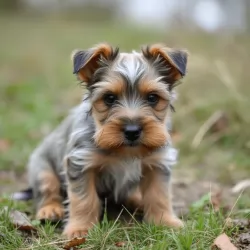 The Gully Terrier originated in India as a street dog, a mix of indigenous Indian Pariah Dogs and bully breeds like Pit Bulls and American Bulldogs.
Developed primarily for protection and hunting, they were used as guard dogs in urban and semi-urban areas. The name "Gully" refers to the narrow alleys and streets where these dogs were often found, while "Bully" highlights their muscular, strong build inherited from bully breeds.
Known for their loyalty, alertness, and protective instincts, Gully Terriers became valued companions for families in need of a strong, resilient dog that could thrive in tough environments.
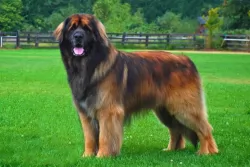 Hailing from Germany, and more specifically the city of Leonberg, the Leonberger is a giant dog breed.
A resident of Leonberg, Germany, was looking to develop a dog that resembled a lion and in 1846 it was announced that such a dog had been developed by crossing a Newfoundland, Saint Bernard and Pyrenean Mountain dog.
It was after 2010, when the Leonberger Club of America joined the American Kennel Club, that the strict breeding rules were no longer mandatory for all Leonbergers.
 The Gully Terrier is a medium-sized, muscular dog known for its agility, loyalty, and protective nature. With a short, dense coat that comes in various colors, including black, brown, tan, and white, this breed has a distinctive appearance, often with a strong, powerful build.
The Gully Terrier is highly energetic and requires regular exercise to stay happy and healthy. Its intelligent, alert, and sometimes independent nature makes it a great guard dog and companion, although consistent training is necessary to manage its strong-willed personality.
This breed is well-suited for active families or individuals looking for a devoted and protective dog with a loving but protective demeanor.
 As a giant breed, the Leonberger stands at between 65cm and 80cm in height. He weighs a hefty 40 – 77kg both males and females.
These dogs are described as being dimorphic. It means that there is quite a difference in the looks of the males and females, with the male dogs being heftier and larger than the females.
The head of the dog is large, he has almond-shaped, dark brown eyes and the ears are medium sized and floppy. The tail is long and he has webbed feet which makes him a good swimmer too.
The thick, double coat can be straight or wavy and comes in different colors such as reddish-brown, tan, sandy or yellowish and the hairs can be tipped with black. He sheds quite a bit so will need regular brushing.
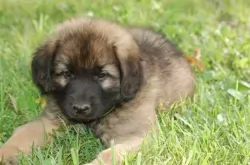
The Leonberger can have between 6 – 14 puppies and these puppies are like big, fat, cuddly, fluffy teddy bears. Don’t be tempted to just buy one because of his wonderful looks because they turn out to be huge dogs that eat a lot and the coat can take quite a bit of effort to keep groomed.
Fondly referred to as the Leo, this giant beautiful dog is social and in spite of his size, he should never be left alone in the backyard for long periods of time. He needs to come indoors from time to time to enjoy some interaction with his human family.
He is a family dog, and with training and socialization, he becomes a well-rounded, confident, obedient pet, quiet and content and sensitive to his owner’s moods.
Even though he becomes a great family pet, you need to think twice before you decide to own one of these large dogs as he can be costly to feed.
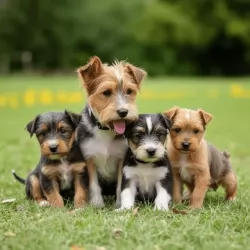 The Gully Terrier is a loyal, energetic, and intelligent breed with a strong, muscular build. Known for their protective nature, they make excellent guard dogs, staying alert and watchful of their surroundings.
While they are friendly and devoted to their family, they can also be independent and sometimes stubborn, requiring consistent training. Their short, dense coat is easy to groom, needing only regular brushing and ear cleaning.
Gully Terriers are active dogs that thrive on daily exercise and mental stimulation, making them great companions for those with an active lifestyle.
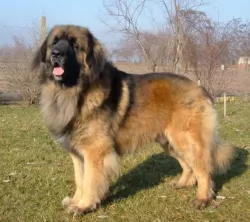 Don’t be deceived by the looks of the big Leonberger because he isn’t aggressive, but quiet and calm. Large he may be, but he isn’t sluggish either and he will certainly require exercise such as a long, fairly lively walk every day.
They’re intelligent dogs too and respond well to socialization and training. He is a social dog and wants to enjoy plenty of interaction with his human family members.
These dogs are often used as rescue- and therapy dogs as they are so loving and sensitive. Give him lots of love and good care and you’re going to have the most wonderful pet that lives up to the saying – dogs are man’s best friend.
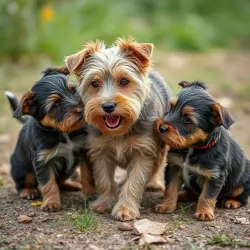 Like many medium to large-sized dogs, Gully Terriers can be prone to hip dysplasia, a condition where the hip joint doesn't develop properly, leading to arthritis and discomfort.
Due to their floppy or semi-erect ears, Gully Terriers can be more susceptible to ear infections. Regular ear cleaning and checking can help prevent this.
Their short coat can sometimes be prone to skin irritations, especially if they are exposed to harsh weather or poor hygiene. Allergies or parasite infestations (like fleas) can cause skin problems.
Gully Terriers are highly energetic, but they can be prone to obesity if they don't get enough exercise or are overfed. A balanced diet and regular activity are essential.
Some dogs in this breed may experience congenital eye issues like cataracts or progressive retinal atrophy (PRA), which can affect vision.
Regular vet check-ups to monitor joints, ears, and skin Consistent exercise to maintain a healthy weight Proper grooming to reduce risk of skin issues and ear infections
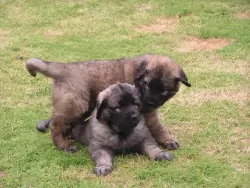 Leonbergers are strong, generally healthy dogs. It is said that very large dogs like this don’t live as long as smaller dogs and they also face more health issues. Orthopedic issues such as hip dysplasia are more common with large breeds.
An orthopedic problem like this is a misalignment of a joint. This large dog also tends to develop elbow dysplasia too. Fortunately today, hip- and elbow dysplasia is controlled because of efforts of breeders to have their Leonbergers screened.
Nonetheless it is important to know about this ailment. The word ‘Dysplasia’ is referring to an abnormality of development. With both hip- and elbow dysplasia, there is abnormal development of the joints, and osteoarthritis can build up, causing lameness for your giant canine.
Cancer is sadly a leading cause of death in dogs over the age of 10 years. Lymphoma is a blood-related cancer – a tumor of the lymph nodes. Dogs can develop different forms of lymphoma. The warning signs are a lump or a wound that won’t heal, swelling in the bone and abnormal bleeding.
Luckily cancer is very treatable in dogs, but you need to get your dog to the vet as soon as possible.
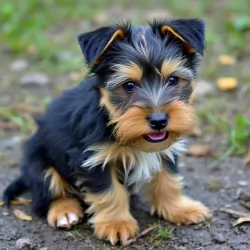 Caring for a Gully Terrier is straightforward but requires attention to their exercise, grooming, and training needs:
Gully Terriers are energetic and need daily exercise. Regular walks, runs, or play sessions will keep them happy and healthy.
They are smart and need activities that challenge their minds, like puzzle toys or training sessions.
Their short coat requires minimal care. Brush them once or twice a week and clean their ears regularly to prevent infections. Trim nails as needed.
Gully Terriers can be a bit independent, so start training early with positive reinforcement. Socialize them with people and other animals to avoid territorial behavior.
Feed them a balanced diet and control their portions to avoid weight gain. Regular vet check-ups will help keep them healthy.
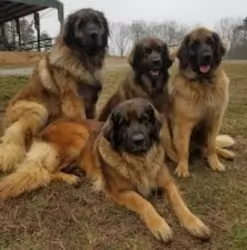 That long coat of the Leonberger is going to require some brushing at least twice a week. He is also a moderate shedder and you want to get rid of all that loose hair and to keep him looking well groomed.
A proper, nutritious diet is an essential part of having healthy, happy dogs and if you’re unsure about how to feed your giant pet, speak to your veterinarian.
The best diet for dogs is always very debatable, but essentially it needs to be kept simple. Try and invest in the very best commercially manufactured dog food for large breeds. Every dog wants a tasty home-made morsel from time to time. Add in cooked chicken, brown rice as well as cooked or raw vegetables. Raw meat can also be added in from time to time.
You want to avoid feeding the Leonberger puppy a high protein diet as this encourages rapid growth and you want to avoid that.