 MyDogBreeds
 Gully Terrier is originated from India but Lhasa Apso is originated from China. Gully Terrier may grow 28 cm / 12 inches higher than Lhasa Apso. Gully Terrier may weigh 27 kg / 60 pounds more than Lhasa Apso. Both Gully Terrier and Lhasa Apso has almost same life span. Both Gully Terrier and Lhasa Apso has almost same litter size. Both Gully Terrier and Lhasa Apso requires Moderate maintenance.
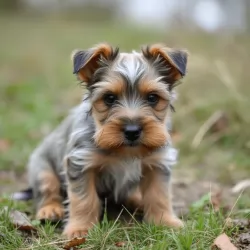 The Gully Terrier originated in India as a street dog, a mix of indigenous Indian Pariah Dogs and bully breeds like Pit Bulls and American Bulldogs.
Developed primarily for protection and hunting, they were used as guard dogs in urban and semi-urban areas. The name "Gully" refers to the narrow alleys and streets where these dogs were often found, while "Bully" highlights their muscular, strong build inherited from bully breeds.
Known for their loyalty, alertness, and protective instincts, Gully Terriers became valued companions for families in need of a strong, resilient dog that could thrive in tough environments.
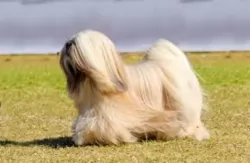 The Lhasa Apso is a non-sporting dog hailing from Tibet. He was a useful dog to the monks who would use him in the palaces as well as the monasteries to ward off intruders.
He actually takes his name from the holy city of Lhasa, with the history of the breed going back to 600BC.
Today he is a true companion dog, a family dog, known as as the Tibetan Apso, the Bearded Lion Dog, the Apso and Lhasa.
The dog has been recognized by the American Kennel Club in 1935, in the Non-Sporting Group category.
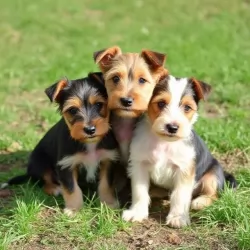 The Gully Terrier is a medium-sized, muscular dog known for its agility, loyalty, and protective nature. With a short, dense coat that comes in various colors, including black, brown, tan, and white, this breed has a distinctive appearance, often with a strong, powerful build.
The Gully Terrier is highly energetic and requires regular exercise to stay happy and healthy. Its intelligent, alert, and sometimes independent nature makes it a great guard dog and companion, although consistent training is necessary to manage its strong-willed personality.
This breed is well-suited for active families or individuals looking for a devoted and protective dog with a loving but protective demeanor.
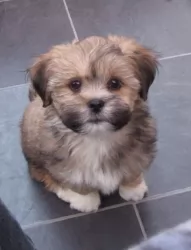 Lhasa Apsos are small dogs which stand at between 25 to 28cm in height and weigh in the region of 6 to 8kg.
The body length of the dog is longer than the height of the dog. He has brown eyes, a black nose and medium length, floppy ears. The long tail is carried over the dog's back.
Many people get used to seeing a sheared or clipped Lhaso, so when they see a dog where the coat has been left uncut they can’t believe the long, straight, dense coat.
Because the dog hails from Tibet where the weather can be extremely cold, he has a double coat – an under- and outer coat. While the coat looks fairly silky, it isn’t really and is in fact quite course to the touch.
Colors of the coat can be gold, tan, cream, white, black and white. Regular brushing will be needed for the coat because this is a dog with continual shedding. These dogs are regarded as being hypoallergenic as they hardly shed.
Looks can be quite deceiving when it comes to the Lhasa Apso as he is a dog who looks as though butter wouldn’t melt in his mouth and that he is essentially just a cuddly lapdog.
This small little dog is tough, robust, strong-willed and in his heart he believes he is a huge Tiger.
He’ll make his human family a loyal and loving pet but he is wary with strangers, distrusting anyone he meets for the first time. He is a dog that will need to be trained and socialized as he may take over your home in his ‘Tiger’ role.
Smart and dominant, this training will turn him into an obedient dog to have around which is important as he can become bossy if left to go his own way.
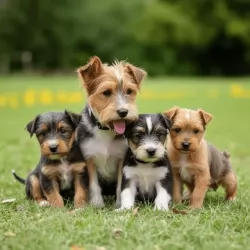 The Gully Terrier is a loyal, energetic, and intelligent breed with a strong, muscular build. Known for their protective nature, they make excellent guard dogs, staying alert and watchful of their surroundings.
While they are friendly and devoted to their family, they can also be independent and sometimes stubborn, requiring consistent training. Their short, dense coat is easy to groom, needing only regular brushing and ear cleaning.
Gully Terriers are active dogs that thrive on daily exercise and mental stimulation, making them great companions for those with an active lifestyle.
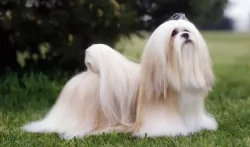 The Lhasa Apso is a small dog full of surprises. That's because he can be manipulative, naughty and feisty one minute, and sweet and gentle the next. He happens to be a good watch dog too, and will alert you well in advance to intruders.
Because he is small and not a particularly energetic dog, he can slot into life in the city or the countryside with ease. However, exercise is good and necessary for every dog so be sure he joins you on your daily walks or you give him some games indoors.
The Lhasa can be a wonderful family companion and you’ll find that he can get on well with children who have been taught to treat animals with kindness and respect. He isn’t the kind of dog that you keep outdoors but is essentially an indoor dog, relishing the time he spends with his beloved human family and making a wonderful companion.
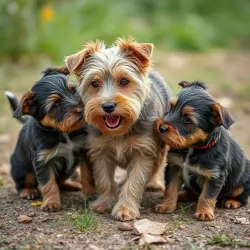 Like many medium to large-sized dogs, Gully Terriers can be prone to hip dysplasia, a condition where the hip joint doesn't develop properly, leading to arthritis and discomfort.
Due to their floppy or semi-erect ears, Gully Terriers can be more susceptible to ear infections. Regular ear cleaning and checking can help prevent this.
Their short coat can sometimes be prone to skin irritations, especially if they are exposed to harsh weather or poor hygiene. Allergies or parasite infestations (like fleas) can cause skin problems.
Gully Terriers are highly energetic, but they can be prone to obesity if they don't get enough exercise or are overfed. A balanced diet and regular activity are essential.
Some dogs in this breed may experience congenital eye issues like cataracts or progressive retinal atrophy (PRA), which can affect vision.
Regular vet check-ups to monitor joints, ears, and skin Consistent exercise to maintain a healthy weight Proper grooming to reduce risk of skin issues and ear infections
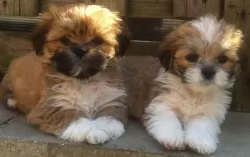 Every dog can develop genetic health problems, but it is highly unlikely that with good care, your Lhasa Apso is going to get sick.
He’s a healthy dog breed that can get to 14 years of age and even older. With Lhasas, health problems can include things like hip dysplasia, eye problems and intervertebral disc disease.
If you are buying a puppy, be careful from where you buy him from. You want careful breeders who screen their parent dogs for genetic diseases. Keeping your dog at the right weight and preventing obesity will also help to ensure he remains healthy.
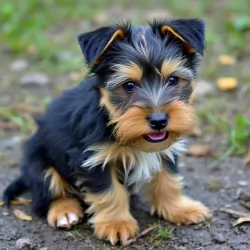 Caring for a Gully Terrier is straightforward but requires attention to their exercise, grooming, and training needs:
Gully Terriers are energetic and need daily exercise. Regular walks, runs, or play sessions will keep them happy and healthy.
They are smart and need activities that challenge their minds, like puzzle toys or training sessions.
Their short coat requires minimal care. Brush them once or twice a week and clean their ears regularly to prevent infections. Trim nails as needed.
Gully Terriers can be a bit independent, so start training early with positive reinforcement. Socialize them with people and other animals to avoid territorial behavior.
Feed them a balanced diet and control their portions to avoid weight gain. Regular vet check-ups will help keep them healthy.
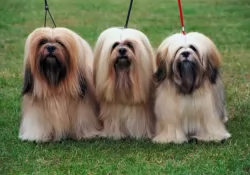 The Lhasa Apso is going to require regular brushing of his coat as it can get long and then it will matt and tangle easily.
There are owners of this dog breed who prefer to send their dog to their grooming parlor where the coat is trimmed short the way they prefer, minimizing the time spent grooming the dog. At the grooming parlour they also check the ears, the teeth of the dog and the nails, particularly if they don’t wear down naturally.
The Lhasa was bred to be a watchdog, so even though he is a small dog, he does his best to guard and protect you. He is no pushover, and training him and socializing him makes him even more adorable to be around.
As man’s best friend, he needs a high-quality, nutritious diet because this helps to protect him from disease. You can feed him the best commercially manufactured foods, but study the packaging details on what the ingredients are. You want to be avoiding corn and wheat, colorants and preservatives.
Your Lhasa has 4 – 6 puppies and as these get older and are weaned they will require 4 meals a day. Once your dog reaches one year of age, he can have 2 meals a day instead of one larger meal.
Every dog loves a little bit of home-made food as a treat, and your Lhasa will wag his tail when you add in some cooked chicken, brown rice and some raw or cooked vegetables into his kibble. Include some raw meat in the diet occasionally as well as this helps to avoid dog skin problems.
Folliculitis is a skin disease starting in the hair follicles of the dog and often occurs in conjunction with other skin disorders like mange. It is found mostly on the dog's abdomen, his armpits and groin and you’ll notice scaly rings with pus and scabs.
To avoid nasty skin diseases which can be very distressing for your pet, remember that your dog's dietary intake plays a huge role in the maintenance of a healthy skin and some raw meat is key to his wellbeing.