 MyDogBreeds
 Gully Terrier is originated from India but Lurcher is originated from United Kingdom. Gully Terrier may grow 19 cm / 7 inches shorter than Lurcher. Both Gully Terrier and Lurcher are having almost same weight. Both Gully Terrier and Lurcher has same life span. Both Gully Terrier and Lurcher has same litter size. Gully Terrier requires Moderate maintenance. But Lurcher requires Low maintenance
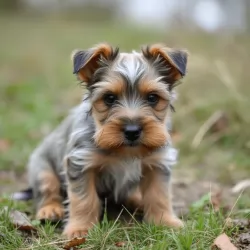 The Gully Terrier originated in India as a street dog, a mix of indigenous Indian Pariah Dogs and bully breeds like Pit Bulls and American Bulldogs.
Developed primarily for protection and hunting, they were used as guard dogs in urban and semi-urban areas. The name "Gully" refers to the narrow alleys and streets where these dogs were often found, while "Bully" highlights their muscular, strong build inherited from bully breeds.
Known for their loyalty, alertness, and protective instincts, Gully Terriers became valued companions for families in need of a strong, resilient dog that could thrive in tough environments.
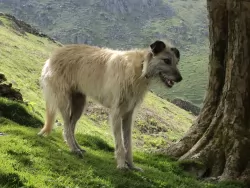 The Lurcher is a crossbreed dog that doesn’t seem to have too much certainty around it. There are stories that Lurchers may have been bred to produce a sighthound with more intelligence for hunting.
Hunters discovered that breeding certain breeds with sight-hounds produced a dog better suited for hunting and working purpose.
A Lurcher is a sighthound, a classic working crossbreed and some of the dogs used to bring about this breed were Greyhounds, Deerhounds, Whippets, Border Collies, Bedlington Terriers and Irish Wofhounds among others. This means that the Lurcher has many different looks as well. In the UK, Lurchers have their own shows, but no registry recognizes the dog.
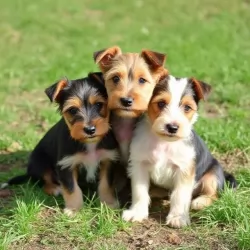 The Gully Terrier is a medium-sized, muscular dog known for its agility, loyalty, and protective nature. With a short, dense coat that comes in various colors, including black, brown, tan, and white, this breed has a distinctive appearance, often with a strong, powerful build.
The Gully Terrier is highly energetic and requires regular exercise to stay happy and healthy. Its intelligent, alert, and sometimes independent nature makes it a great guard dog and companion, although consistent training is necessary to manage its strong-willed personality.
This breed is well-suited for active families or individuals looking for a devoted and protective dog with a loving but protective demeanor.
 It is difficult to put a size and weight to the Lurcher, This is because of the many dogs used in his development, so that they vary in size and coat type. Generally though, he is a deep chested dog that stands roughly between 50 – 75cm and weighs 25 – 32kg.
However, because Whippet was a dog used in his development, he could be as small as a Whippet, the size of a Greyhound or Deerhound.
Generally he has a shortish coat. Colours of the coat vary greatly so you can find fawn, cream, white, grey, black, tan, silver or grey and bi-colored. The ears are usually small and can be floppy or held erect or back and the tail is usually long.
The Lurcher’s temperament is much like that of the sighthound – loving and calm. It is a good idea to have the Lurcher trained and socialized to help prevent both timidity or aggression.
He is an independent and intelligent dog and can be easily trained. He is a gentle dog and will get on well with children and pets in the home as he is a fairly relaxed breed with a quiet temperament, loving to spend time with his human family. Another advantage is that he is low maintenance and makes a great pet when shown love and care.
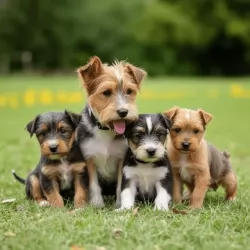 The Gully Terrier is a loyal, energetic, and intelligent breed with a strong, muscular build. Known for their protective nature, they make excellent guard dogs, staying alert and watchful of their surroundings.
While they are friendly and devoted to their family, they can also be independent and sometimes stubborn, requiring consistent training. Their short, dense coat is easy to groom, needing only regular brushing and ear cleaning.
Gully Terriers are active dogs that thrive on daily exercise and mental stimulation, making them great companions for those with an active lifestyle.
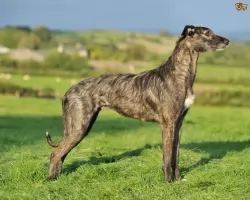 The Lurcher is a working- and hunting dog that won’t do well in the city, as he requires large spaces to run.
He is a dog that will need you to provide him with games and other activities as well as a walk every day to keep him fit and lithe. He will therefore require an owner who loves to be active and who is consistent, firm, fair, patient and kind.
With the right human family, the Lurcher is a loving, devoted dog who will make an excellent family pet.
 Like many medium to large-sized dogs, Gully Terriers can be prone to hip dysplasia, a condition where the hip joint doesn't develop properly, leading to arthritis and discomfort.
Due to their floppy or semi-erect ears, Gully Terriers can be more susceptible to ear infections. Regular ear cleaning and checking can help prevent this.
Their short coat can sometimes be prone to skin irritations, especially if they are exposed to harsh weather or poor hygiene. Allergies or parasite infestations (like fleas) can cause skin problems.
Gully Terriers are highly energetic, but they can be prone to obesity if they don't get enough exercise or are overfed. A balanced diet and regular activity are essential.
Some dogs in this breed may experience congenital eye issues like cataracts or progressive retinal atrophy (PRA), which can affect vision.
Regular vet check-ups to monitor joints, ears, and skin Consistent exercise to maintain a healthy weight Proper grooming to reduce risk of skin issues and ear infections
 Every dog has the potential to develop genetic health problems, but the way you feed a dog and look after it will play a huge role in his wellbeing.
Lurchers are looked upon as being a pretty healthy dog breed and they can be with you for between 10 and 15 years.
Some of the main health concerns with this dog would be bloat, ear- and eye infections or heatstroke.
Remember that if you’re getting a new puppy, you can prevent some of the major life-threatening diseases by having your puppy vaccinated.
Dogs pant heavily when they’re hot. When the panting isn’t enough, the dog’s body temperature rises and this can be fatal for your pet.
The signs of heatstroke in dogs include vomiting, diarrhea, dullness and loss of consciousness. Being locked in a hot car, being over-exercised or left in a yard without shade and water can bring on heatstroke.
It is imperative to remove the dog from the hot place immediately and cool him down by spraying cold water gently over him while making sure no water enters the mouth or nose. Get him to the vet if you can because of shock and the fact that other problems could have developed.
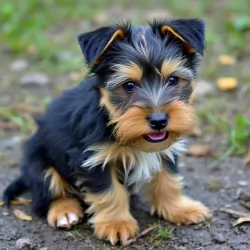 Caring for a Gully Terrier is straightforward but requires attention to their exercise, grooming, and training needs:
Gully Terriers are energetic and need daily exercise. Regular walks, runs, or play sessions will keep them happy and healthy.
They are smart and need activities that challenge their minds, like puzzle toys or training sessions.
Their short coat requires minimal care. Brush them once or twice a week and clean their ears regularly to prevent infections. Trim nails as needed.
Gully Terriers can be a bit independent, so start training early with positive reinforcement. Socialize them with people and other animals to avoid territorial behavior.
Feed them a balanced diet and control their portions to avoid weight gain. Regular vet check-ups will help keep them healthy.
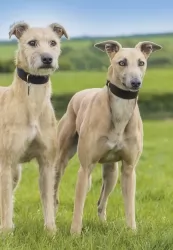 Brush your pet’s coat at least twice a week.
The Lurcher just loves to run and be free, so this is a dog that will want a long walk every day.
Check his eyes and inside his ears for ear infection. Find out how to clean inside the ears and make sure they are kept dry.
Keep his nails clipped, as long nails can hook and cause painful injury to the paw area. Check his teeth too and brush them because dental disease is the root cause of many other diseases.
Make sure your dog has a comfy, dry, warm place to sleep.
Encourage health and longevity by giving your pet high quality food full of vitamins and minerals. If you’re going be giving him commercially manufactured food, make sure its one of the better ones. Try and add in homemade food such as boiled chicken, brown rice and vegetables and add this to his kibble as a tasty treat. Some raw meat added in when you can afford it will also be to his advantage.