 MyDogBreeds
 Gully Terrier is originated from India but Maremma Sheepdog is originated from Italy. Gully Terrier may grow 17 cm / 6 inches shorter than Maremma Sheepdog. Gully Terrier may weigh 10 kg / 22 pounds lesser than Maremma Sheepdog. Both Gully Terrier and Maremma Sheepdog has almost same life span. Both Gully Terrier and Maremma Sheepdog has almost same litter size. Both Gully Terrier and Maremma Sheepdog requires Moderate maintenance.
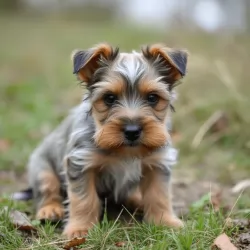 The Gully Terrier originated in India as a street dog, a mix of indigenous Indian Pariah Dogs and bully breeds like Pit Bulls and American Bulldogs.
Developed primarily for protection and hunting, they were used as guard dogs in urban and semi-urban areas. The name "Gully" refers to the narrow alleys and streets where these dogs were often found, while "Bully" highlights their muscular, strong build inherited from bully breeds.
Known for their loyalty, alertness, and protective instincts, Gully Terriers became valued companions for families in need of a strong, resilient dog that could thrive in tough environments.
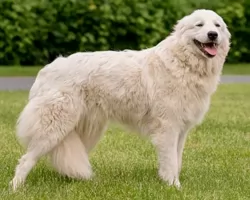 Known also as the Cane de Pastore Maremmano-Abruzzese, the Maremma Sheepdog is often referred to as the Maremmano or the Abruzzese Sheepdog.
This is a working dog – a guardian of sheep and an indigenous dog to central Italy. The dog has been used for centuries already to guard sheep.
It was in 1924 that the first standard for the breed was published.
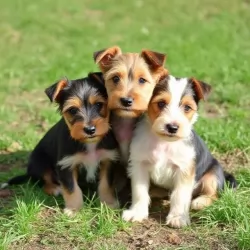 The Gully Terrier is a medium-sized, muscular dog known for its agility, loyalty, and protective nature. With a short, dense coat that comes in various colors, including black, brown, tan, and white, this breed has a distinctive appearance, often with a strong, powerful build.
The Gully Terrier is highly energetic and requires regular exercise to stay happy and healthy. Its intelligent, alert, and sometimes independent nature makes it a great guard dog and companion, although consistent training is necessary to manage its strong-willed personality.
This breed is well-suited for active families or individuals looking for a devoted and protective dog with a loving but protective demeanor.
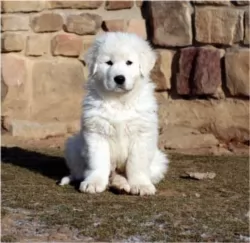 The Maremma Sheepdog is a large dog with a muscular build. Some people who have owned these distinctive-looking dogs say he is like a big bear. He stands at 65 to 73 cm in height, both male and female, and he weighs 35 to 45 kg.
The coat is long, thick and white with a dense undercoat. If you look you’ll see flashes of pale orange or apricot amid the white. There is thicker, longer hair around the neck area.
The nose is black, the eyes brown and the ears medium length and floppy. The long tail is set low and is thickly feathered. You can expect 6 – 10 puppies from these dogs.
The Maremma has always been used to guarding sheep, and today even though he is looked upon as a wonderful, friendly companion dog, he also makes an excellent watch dog, being brave and courageous. He isn’t the kind of dog that you think of as getting wildly excited over something, as he has a dignified aura about him.
He is an independent dog, so training and sociaization will be absolutely imperative as he is strong-willed and likes to do things his way. Once trained and socialized, it is amazing to see such a large dog obeying all your commands such as ‘lie down, come, sit an stay'. He is very intelligent and shouldn’t have any trouble learning these basic commands.
He is calm and gets on well with children as well as other pets in the home. With his role as guardian of sheep, he has learned to be loyal and patient and will make a loyal ad loving family pet he takes his role as guardian very seriously.
He loves hard work, and shepherds have always appreciated the splendid work he does guarding their flocks. As a companion you will also appreciate the many excellent qualities he possesses.
The Maremma Sheepdog isn’t recommended for life in the city where there is a tiny garden. He has always been accustomed to large open spaces and requires a large garden. He won’t tolerate heat well with that thick coat of his and will require a shady spot in your garden to retreat to.
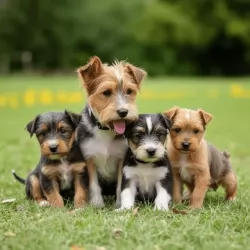 The Gully Terrier is a loyal, energetic, and intelligent breed with a strong, muscular build. Known for their protective nature, they make excellent guard dogs, staying alert and watchful of their surroundings.
While they are friendly and devoted to their family, they can also be independent and sometimes stubborn, requiring consistent training. Their short, dense coat is easy to groom, needing only regular brushing and ear cleaning.
Gully Terriers are active dogs that thrive on daily exercise and mental stimulation, making them great companions for those with an active lifestyle.
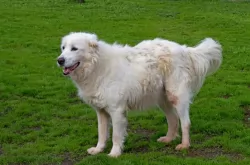 This is a beautiful dog, but large, so don’t make the mistake of wanting a large dog like this for his looks. He will be expensive to feed.
If you have the means to provide a good home for him, he is friendly and good natured, even though he is strong-willed and independent.
Provide him with a good home and you’ll have a most splendid pet and companion.
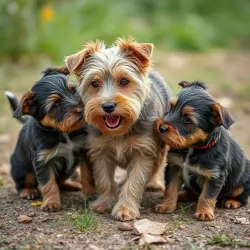 Like many medium to large-sized dogs, Gully Terriers can be prone to hip dysplasia, a condition where the hip joint doesn't develop properly, leading to arthritis and discomfort.
Due to their floppy or semi-erect ears, Gully Terriers can be more susceptible to ear infections. Regular ear cleaning and checking can help prevent this.
Their short coat can sometimes be prone to skin irritations, especially if they are exposed to harsh weather or poor hygiene. Allergies or parasite infestations (like fleas) can cause skin problems.
Gully Terriers are highly energetic, but they can be prone to obesity if they don't get enough exercise or are overfed. A balanced diet and regular activity are essential.
Some dogs in this breed may experience congenital eye issues like cataracts or progressive retinal atrophy (PRA), which can affect vision.
Regular vet check-ups to monitor joints, ears, and skin Consistent exercise to maintain a healthy weight Proper grooming to reduce risk of skin issues and ear infections
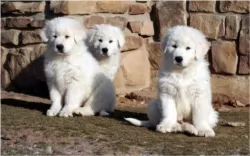 This ancient dog breed is robust and can reach 11 to 13 years of age when cared for properly. Like any other dogs, he can be prone to certain health problems.
One of these is hip dysplasia. Preventing your dog from becoming overweight can work towards preventing these kinds of musculoskeletal issues. Hip dysplasia occurs when your dog’s hip joints don’t develop properly so that the hips partially dislocate.
It is painful for your dog and it can be debilitating, leading to arthritis too and making it difficult for your pet to get around and to get up from lying down. There are a number of treatment options offered by your vet.
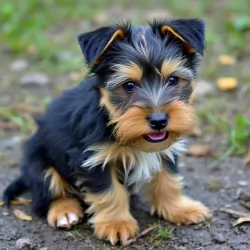 Caring for a Gully Terrier is straightforward but requires attention to their exercise, grooming, and training needs:
Gully Terriers are energetic and need daily exercise. Regular walks, runs, or play sessions will keep them happy and healthy.
They are smart and need activities that challenge their minds, like puzzle toys or training sessions.
Their short coat requires minimal care. Brush them once or twice a week and clean their ears regularly to prevent infections. Trim nails as needed.
Gully Terriers can be a bit independent, so start training early with positive reinforcement. Socialize them with people and other animals to avoid territorial behavior.
Feed them a balanced diet and control their portions to avoid weight gain. Regular vet check-ups will help keep them healthy.
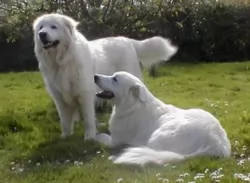 As already suggested, this large dog will need space and he will need to be exercised. Apart from long walks in he countryside or in the park or your neighborhood, he will also need other activities that stimulate him mentally and physically.
The thick, all-weather coat of the Maremma will need a thorough bushing at least twice a week to get rid of all those loose hairs. When you are brushing him, look around for signs of ticks and fleas too and run your hands over him to feel for any unusual lumps.
The Maremma is a large-breed dog, so before you get a big dog like this, decide whether you have the financial means to feed him and look after him properly. He is going to cost a lot to feed, so think it through first.
He will need to be fed a high-quality commercial dog food which has been specially formulated for a dog of his size. Keep the food of dogs simple. We’re all tempted to feed our dog treats like things such as chocolates, coffee, nuts, onions, grapes and raisins but these can cause havoc with your dog’s stomach.
Stick to simple, nutritious food. Boiled chicken, brown rice or pasta and vegetables such as potatoes, spinach and carrots can do wonders for your pet when you sometimes mix this into his kibble.
Try and mix some raw meat into his diet occasionally. Make sure he always has access to fresh, cool water.