 MyDogBreeds
 Gully Terrier is originated from India but Moscow Watchdog is originated from Russia. Gully Terrier may grow 13 cm / 5 inches shorter than Moscow Watchdog. Gully Terrier may weigh 33 kg / 72 pounds lesser than Moscow Watchdog. Gully Terrier may live 4 years more than Moscow Watchdog. Both Gully Terrier and Moscow Watchdog has almost same litter size. Both Gully Terrier and Moscow Watchdog requires Moderate maintenance.
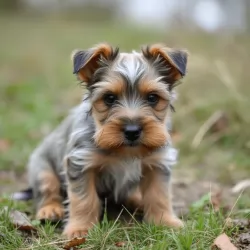 The Gully Terrier originated in India as a street dog, a mix of indigenous Indian Pariah Dogs and bully breeds like Pit Bulls and American Bulldogs.
Developed primarily for protection and hunting, they were used as guard dogs in urban and semi-urban areas. The name "Gully" refers to the narrow alleys and streets where these dogs were often found, while "Bully" highlights their muscular, strong build inherited from bully breeds.
Known for their loyalty, alertness, and protective instincts, Gully Terriers became valued companions for families in need of a strong, resilient dog that could thrive in tough environments.
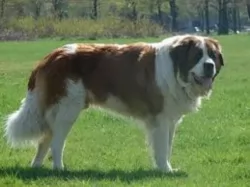 The Moscow Watchdog is a cross between the Caucasian Oytcharka, the St. Bernard and other Russian hound dogs. This large breed dog was developed in the Soviet Union for the purpose of being guard dogs. It had the awareness and assertiveness of the Oytcharka and the size, intelligence and attractiveness of the St. Bernard. The breed is common in Russia today but hardly seen anywhere else even though they were exported to the United States and Europe. The breed had the first U.S. born litter in 2015 and it is not AKC recognized.
Following the second world war crime was on the rise in the Soviet Union and a new breed of dog was needed to counter this trend. The dog had to be adaptable to very cold temperatures, snowy weather and have a guard dog personality and ability. The breed was called on to guard such locations as railroads, government offices, warehouses, infrastructure and labor camps.
The project to develop this breed was led by General Medvedev beginning in 1946 at the Central School of Military Kynology – which was a department of the Soviet Ministry of Defense. It took many years to develop the Moscow Watchdog which then became a very successful breed.
It took until 1985 for the breed to be “officially” recognized in the Soviet Union and until 1992 to be recognized by the Federation of Dog Breeders in Russia and until 1997 for the standard to be approved by the Russian Kennel Club. They are still working with the FCI to gain international recognition for the breed. At the moment they are considered a part of the Molosser group and shown in the “Special Show” in Russia.
Committed breeders brought the Moscow Watchdog to Hungary in 1986 in order to make the breed more popular. In addition to this there were many breeders from previous Soviet States that wanted to preserve the breed as well. There were about 500 Moscow Watchdogs in Hungary around then. Currently there are about 27 Moscow Watchdogs in the United States. The breed is known to be a gentle giant and very much a family dog these days.
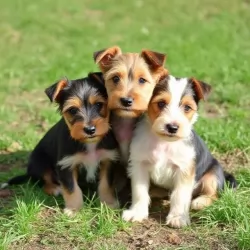 The Gully Terrier is a medium-sized, muscular dog known for its agility, loyalty, and protective nature. With a short, dense coat that comes in various colors, including black, brown, tan, and white, this breed has a distinctive appearance, often with a strong, powerful build.
The Gully Terrier is highly energetic and requires regular exercise to stay happy and healthy. Its intelligent, alert, and sometimes independent nature makes it a great guard dog and companion, although consistent training is necessary to manage its strong-willed personality.
This breed is well-suited for active families or individuals looking for a devoted and protective dog with a loving but protective demeanor.
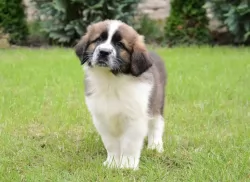 The Moscow Watchdog is related to the mountain dogs and is a very large breed. They are sturdy, muscular and powerful. They have big heads and a thick double coat that sheds profusely four times a year. They have a long tail, an arched chest and an air of confidence.
He is in the Mastiff family and is smart and trainable. He is not clumsy but has big bones. He is surprisingly agile and active for a dog his size. Unlike the St. Bernard he is not a couch potato. He is also differentiated from the St. Bernard because he does not drool.
These dogs are large but they’ve got a gentle temperament and are good with kids, being playful and energetic with them.
Even though he is a docile dog, you want him trained and socialized, and then he gets along well with other pets too. His sheer size makes it that it is best to supervise him when he’s around small children. He is also a protective dog breed, willing to bond closely to, and protect his human family.
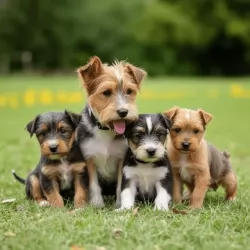 The Gully Terrier is a loyal, energetic, and intelligent breed with a strong, muscular build. Known for their protective nature, they make excellent guard dogs, staying alert and watchful of their surroundings.
While they are friendly and devoted to their family, they can also be independent and sometimes stubborn, requiring consistent training. Their short, dense coat is easy to groom, needing only regular brushing and ear cleaning.
Gully Terriers are active dogs that thrive on daily exercise and mental stimulation, making them great companions for those with an active lifestyle.
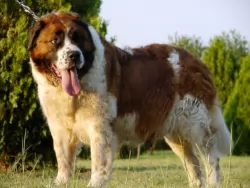 This is a large dog who likes to be involved and busy, even though he is so big. He isn’t suited to city life and being confined to a tiny garden as he needs space.
They’re independent dogs too and you can leave them alone during the day. He is social, so while you can leave them during the day while you’re at work, he’ll want your attention when you get back. They're such loving, loyal family pets that you owe it to him to make this gentle giant of a dog as happy as can be.
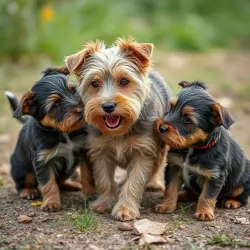 Like many medium to large-sized dogs, Gully Terriers can be prone to hip dysplasia, a condition where the hip joint doesn't develop properly, leading to arthritis and discomfort.
Due to their floppy or semi-erect ears, Gully Terriers can be more susceptible to ear infections. Regular ear cleaning and checking can help prevent this.
Their short coat can sometimes be prone to skin irritations, especially if they are exposed to harsh weather or poor hygiene. Allergies or parasite infestations (like fleas) can cause skin problems.
Gully Terriers are highly energetic, but they can be prone to obesity if they don't get enough exercise or are overfed. A balanced diet and regular activity are essential.
Some dogs in this breed may experience congenital eye issues like cataracts or progressive retinal atrophy (PRA), which can affect vision.
Regular vet check-ups to monitor joints, ears, and skin Consistent exercise to maintain a healthy weight Proper grooming to reduce risk of skin issues and ear infections
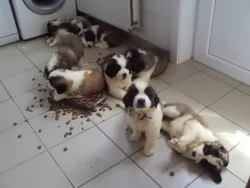 Moscow Watchdog is looked upon as a fairly healthy dog breed but there are some risks such as hip dysplasia as well as some other large breed problems.
With big dogs like this, hip dysplasia is a threat. Its an hereditary condition where the parent dogs pass down the problematic genes. Hip dysplasia results in inflammation and pain for your pet, and where once he loved to play, he is reluctant to and battles to get up after lying down.
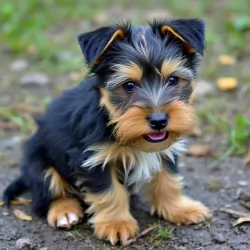 Caring for a Gully Terrier is straightforward but requires attention to their exercise, grooming, and training needs:
Gully Terriers are energetic and need daily exercise. Regular walks, runs, or play sessions will keep them happy and healthy.
They are smart and need activities that challenge their minds, like puzzle toys or training sessions.
Their short coat requires minimal care. Brush them once or twice a week and clean their ears regularly to prevent infections. Trim nails as needed.
Gully Terriers can be a bit independent, so start training early with positive reinforcement. Socialize them with people and other animals to avoid territorial behavior.
Feed them a balanced diet and control their portions to avoid weight gain. Regular vet check-ups will help keep them healthy.
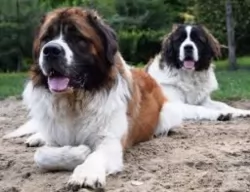 The Moscow Watchdog is a giant sized dog and will require a lot of regular exercise, and apart from a fairly brisk daily walk, will also need games and a run in the park.
As a large dog requiring a regular dose of physical exercise as well as mental stimulation, he is better suited to life in the country or at least where there is a large garden.
The Moscow Watchdog has a medium length coat, and as a moderate shedder, you will need to simply brush his coat twice a week to remove loose hair. There is no professional grooming required for these dogs.
Homemade food is always a treat for a dog, but if you’re feeding your Moscow Watchdog commercially manufactured food because of the sheer convenience it provides, make sure the packaging says 'large- or giant dog breed' food. This way you know your pet is getting the right amount of minerals and vitamins for his size.
Always buy the best quality food to avoid giving your pet an overdose of colorants and preservatives. Try and give your pet some home-made food such as boiled chicken, some brown rice or pasta and some cooked vegetables such as sweet potatoes, carrots and spinach. These can be added to his kibble every now and again.
A simple diet like this agrees with your pet and he will be healthy and happy with his lot.