 MyDogBreeds
 Gully Terrier is originated from India but Mucuchies is originated from Venezuela. Gully Terrier may grow 15 cm / 5 inches shorter than Mucuchies. Gully Terrier may weigh 26 kg / 57 pounds lesser than Mucuchies. Gully Terrier may live 3 years more than Mucuchies. Both Gully Terrier and Mucuchies has same litter size. Gully Terrier requires Moderate maintenance. But Mucuchies requires Low maintenance
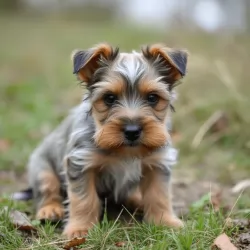 The Gully Terrier originated in India as a street dog, a mix of indigenous Indian Pariah Dogs and bully breeds like Pit Bulls and American Bulldogs.
Developed primarily for protection and hunting, they were used as guard dogs in urban and semi-urban areas. The name "Gully" refers to the narrow alleys and streets where these dogs were often found, while "Bully" highlights their muscular, strong build inherited from bully breeds.
Known for their loyalty, alertness, and protective instincts, Gully Terriers became valued companions for families in need of a strong, resilient dog that could thrive in tough environments.
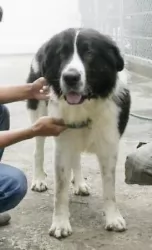 The Mucuchies are a breed born in the Venezuelan mountains, in the late 1700s. They are rare today but were popular in the mountains for hundreds of years. They are believed to be a cross between the dogs brought by the Spanish Conquistadors in the 14th and 15th centuries and the local dogs. However, by the 1960s this rare breed was close to extinction.
Bred primarily as herders and watchdogs, their ancestry likely included the Algerian Mastiff, the Spanish Mastiff, the Great Pyrenees, and the Atlas Shepherd, otherwise known as the Aidi. The early development of the Mucuchies is attributed to Wilender Ferrari, DVM. At the time, Simon Boliva was fighting for Venezuelan independence in the city of Mucuchies. He adopted a member of the breed and named it for the city. The name stuck as the name for the breed.
Later in this timeframe, the Mucuchies was crossbred with the Pyrenean Mastiffs that friars brought to the Andes from their monasteries. With them, they also brought the sheep for the dogs to herd and guard. During the 1920s the breed spread throughout the country, but by the beginning of the 1960s there was a major decline in the breed. This was partly due to changes in culture and lifestyle in the Andes.
In 1961 a Mucuchies club was formed for the breed preservation and the breed was formally named the National Dog of Venezuela. The club was disbanded in the mid-1960’s and this led the breed to the edge of extinction. By 2008 there was another major push to save the breed. This effort came from the government who wanted to preserve the breed. In 2008, they created the Fundacion Nevado and sent six Mucuchies to the Waraira Repano Cable Car System in the El Avila National Park so that the dogs would be in a climatic environment as similar to the Andes mountain as possible. This was successful and the program was increased by Venezuelan President Hugo Chavez.
As the breed continued to develop the shepherding instincts were lost and the guarding aspects were strengthened. This left today’s Mucuchies as a breed of gentle, active dogs with strong characters and a loving disposition. They are gentle with their families but protective and aggressive with strangers. They are the only native breed of Venezuela and currently, there are programs in the mountains to re-establish and strengthen them.
In addition to their name for the town of Mucuchie, the breed is also called the Paramo’s Dog or the Snowy. These programs exist because in Venezuela they are near extinction once again. This is the result of inbreeding and more cross-breeding, this time with larger dogs like St. Bernards. Thus, the continued efforts by the Nevado Foundation with the assistance of the government to restore the original Mucuchies breed to Venezuela.
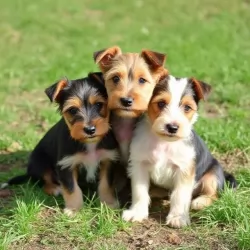 The Gully Terrier is a medium-sized, muscular dog known for its agility, loyalty, and protective nature. With a short, dense coat that comes in various colors, including black, brown, tan, and white, this breed has a distinctive appearance, often with a strong, powerful build.
The Gully Terrier is highly energetic and requires regular exercise to stay happy and healthy. Its intelligent, alert, and sometimes independent nature makes it a great guard dog and companion, although consistent training is necessary to manage its strong-willed personality.
This breed is well-suited for active families or individuals looking for a devoted and protective dog with a loving but protective demeanor.
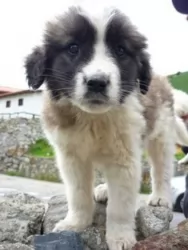 The appearance of the Mucuchies is that of a breed of large dogs who stand two feet at the shoulder and can weight one hundred pounds. They have a deep chest, heads that are wedge-shaped and skulls shaped like domes. Their muzzles are straight, and their nostrils are large on their black nose. The Mucuchies have dark eye and eyelids along with ears that are triangular in shape and medium in size. Their lips are black but this and he has a well-developed ruff.
They are large, sturdy dogs with a grand appearance and tremendous energy. Their neck is strong, short and very muscular with wide shoulders and a straight back. The tail is much longer than their hocks and it is shaped like a fan and he raises it when he is alerted. They have a short, thick coat and most are white or white with gray, honey or black. This is a very attractive breed.
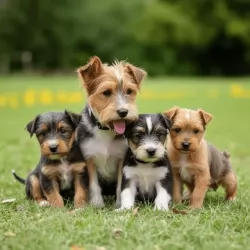 The Gully Terrier is a loyal, energetic, and intelligent breed with a strong, muscular build. Known for their protective nature, they make excellent guard dogs, staying alert and watchful of their surroundings.
While they are friendly and devoted to their family, they can also be independent and sometimes stubborn, requiring consistent training. Their short, dense coat is easy to groom, needing only regular brushing and ear cleaning.
Gully Terriers are active dogs that thrive on daily exercise and mental stimulation, making them great companions for those with an active lifestyle.
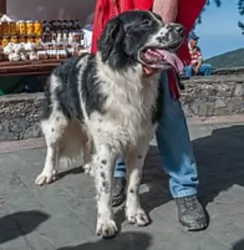 Good with children and very good with their own families. Might be a little standoffish with others.
They no longer have the strong herding instinct but are outstanding guard dogs.
Yes but need land to run in. Don’t put this giant dog in an apartment. You will both be miserable.
Very intelligent and their ability and willingness to learn is very good.
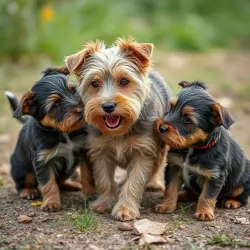 Like many medium to large-sized dogs, Gully Terriers can be prone to hip dysplasia, a condition where the hip joint doesn't develop properly, leading to arthritis and discomfort.
Due to their floppy or semi-erect ears, Gully Terriers can be more susceptible to ear infections. Regular ear cleaning and checking can help prevent this.
Their short coat can sometimes be prone to skin irritations, especially if they are exposed to harsh weather or poor hygiene. Allergies or parasite infestations (like fleas) can cause skin problems.
Gully Terriers are highly energetic, but they can be prone to obesity if they don't get enough exercise or are overfed. A balanced diet and regular activity are essential.
Some dogs in this breed may experience congenital eye issues like cataracts or progressive retinal atrophy (PRA), which can affect vision.
Regular vet check-ups to monitor joints, ears, and skin Consistent exercise to maintain a healthy weight Proper grooming to reduce risk of skin issues and ear infections
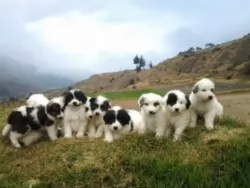 Because of their rarity and somewhat isolation, they do not have many genetic health concerns. They do however face at least a couple of the issues that most large dogs face.
This can be a serious issue for such a large dog. It can cause arthritis and lameness.
This might be the biggest threat to the Mucuchies’ health. They are big dogs and if they injury limbs it can be quite serious.
The distension or inversion of the stomach and intestines is potentially fatal and must be treated immediately. Large dogs are prone to bloat and feeding schedules can go a long way in preventing it.
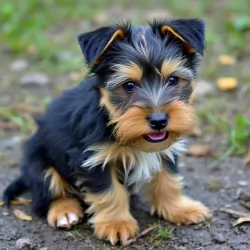 Caring for a Gully Terrier is straightforward but requires attention to their exercise, grooming, and training needs:
Gully Terriers are energetic and need daily exercise. Regular walks, runs, or play sessions will keep them happy and healthy.
They are smart and need activities that challenge their minds, like puzzle toys or training sessions.
Their short coat requires minimal care. Brush them once or twice a week and clean their ears regularly to prevent infections. Trim nails as needed.
Gully Terriers can be a bit independent, so start training early with positive reinforcement. Socialize them with people and other animals to avoid territorial behavior.
Feed them a balanced diet and control their portions to avoid weight gain. Regular vet check-ups will help keep them healthy.
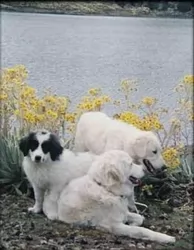 As mentioned in health concerns, feeding appropriately is critical to the Mucuchies’ health. Puppies need a high quality, large breed dry food 2-3 times per day at ½ cup each time. Don’t overfeed. Don’t exercise before or after eating to prevent bloat.
The adult Mucuchies should eat at least twice a day for a total of two and one-half cups. So, you might feed one and ¼ cup at each meal. Again, it is critically important that you don’t overfeed. Don’t feed before or after strenuous exercise and don’t let your Mucuchies eat too quickly in order to avoid bloat.
This is a large dog with generally very good health. His stamina and heart will impress you.
The Mucuchies is not an active inside dog, but he is a large dog that needs daily exercise. They need to be able to run or at least to trot. A large yard or dog bark is necessary. However, this big, double coated dog hates the hot weather and needs a cooler climate. Winter is fine with him. Don’t overwork them while they are growing. Walks are the best exercise for this breed.