 MyDogBreeds
 Both Gully Terrier and Mudhol Hound are originated from India. Gully Terrier may grow 16 cm / 6 inches shorter than Mudhol Hound. Gully Terrier may weigh 8 kg / 18 pounds more than Mudhol Hound. Both Gully Terrier and Mudhol Hound has almost same life span. Both Gully Terrier and Mudhol Hound has almost same litter size. Both Gully Terrier and Mudhol Hound requires Moderate maintenance.
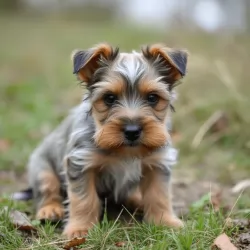 The Gully Terrier originated in India as a street dog, a mix of indigenous Indian Pariah Dogs and bully breeds like Pit Bulls and American Bulldogs.
Developed primarily for protection and hunting, they were used as guard dogs in urban and semi-urban areas. The name "Gully" refers to the narrow alleys and streets where these dogs were often found, while "Bully" highlights their muscular, strong build inherited from bully breeds.
Known for their loyalty, alertness, and protective instincts, Gully Terriers became valued companions for families in need of a strong, resilient dog that could thrive in tough environments.
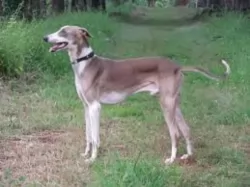 This seems to be the breed of many names. The Mudhol Hound comes from India and has been called the Caravan Hound, the Pashmi, the Karvanit, the Karwaani and the Pisuri Hound. Like so many other Indian breeds, the Mudhol Hound bears a strong look of the Greyhound. He is a sight hound and as such is lean and fast. He is ancient, healthy and loves his people.
The ancestors of the Mudhol include the hounds bred by the tribes of Bedar near Mudhol and Halagali. In Maharashtra the Maratha warriors were also breeding hounds which are included in the Mudhol Hound lineage. It is believed that there is Tazi and Saluki heritage in the Mudhol as well.
All of these Indian hounds were good at guarding, hunting and as companions. Then the King of Mudhol began to breed them specially for hunting and succeeded in developing a sleek, slender dog. The King of England at the time, George V, was so impressed he dubbed them the Hounds of Mudhol.
The Mudhol Hound hunts rabbits and other small animals with their incredible sight. No matter if the breed was on a postage stamp in 2005 and is a great family companion, it is first and foremost a working dog. He was specifically bred for the tough working conditions in the mountains of India. They are courageous, loyal and graceful. They are committed to their people but a little standoffish with anyone else and make good guard dogs.
They were used by the Indian Army as border protection and surveillance dogs. They use them for testing of their veterinary corps. They have been deployed by the Army in Kashmir and Jammu in 2017, just as they were centuries ago. They were effective at taking down soldiers and horses alike.
They were also chosen for breeding at the Canine Research and Information Centre, part of the Karnataka Veterinary, Animal and Fisheries Sciences University in Bidar. With a very high prey drive they can get along with other dogs their size but cannot be trusted with smaller pets.
The Indian National Kennel Club lists them as the Mudhol Hound while the Kennel Club of India recognizes them as the Caravan Hound.
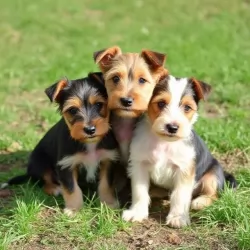 The Gully Terrier is a medium-sized, muscular dog known for its agility, loyalty, and protective nature. With a short, dense coat that comes in various colors, including black, brown, tan, and white, this breed has a distinctive appearance, often with a strong, powerful build.
The Gully Terrier is highly energetic and requires regular exercise to stay happy and healthy. Its intelligent, alert, and sometimes independent nature makes it a great guard dog and companion, although consistent training is necessary to manage its strong-willed personality.
This breed is well-suited for active families or individuals looking for a devoted and protective dog with a loving but protective demeanor.
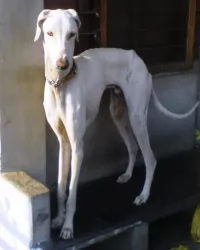
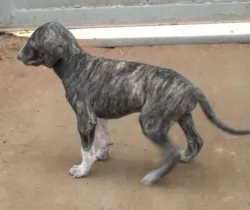 The Mudhol Hound is a good looking sight hound. Slender, sleek, muscular. They have narrow, long heads with a muzzle that tapers. They have long and powerful jaws with a large black nose. Their eyes are oval, large and brown with a look that pierces, and they have long, muscular, and clean shoulders. The legs are straight, long and strong with a broad, muscular, long back. Like most sight hounds when you seen them coming at you straight on, they have the appearance of being one dimensional.
There are two types of coat and many acceptable colors. The coat can be silky on the tail, legs and ears or it can be completely smooth from head to toe. The coat can be grey, black, cream, red, fallow, and fawn. It can also be one of these colors and a small amount of shite blended it.
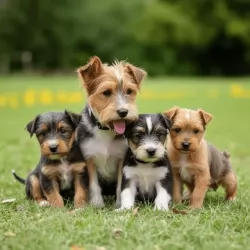 The Gully Terrier is a loyal, energetic, and intelligent breed with a strong, muscular build. Known for their protective nature, they make excellent guard dogs, staying alert and watchful of their surroundings.
While they are friendly and devoted to their family, they can also be independent and sometimes stubborn, requiring consistent training. Their short, dense coat is easy to groom, needing only regular brushing and ear cleaning.
Gully Terriers are active dogs that thrive on daily exercise and mental stimulation, making them great companions for those with an active lifestyle.
 Yes but they are much better with older children.
Speed and stamina
They can adapt but they are better off in the country than an apartment.
They are very smart and learn easily.
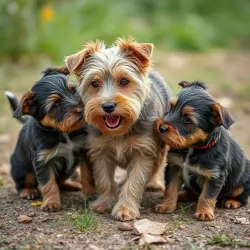 Like many medium to large-sized dogs, Gully Terriers can be prone to hip dysplasia, a condition where the hip joint doesn't develop properly, leading to arthritis and discomfort.
Due to their floppy or semi-erect ears, Gully Terriers can be more susceptible to ear infections. Regular ear cleaning and checking can help prevent this.
Their short coat can sometimes be prone to skin irritations, especially if they are exposed to harsh weather or poor hygiene. Allergies or parasite infestations (like fleas) can cause skin problems.
Gully Terriers are highly energetic, but they can be prone to obesity if they don't get enough exercise or are overfed. A balanced diet and regular activity are essential.
Some dogs in this breed may experience congenital eye issues like cataracts or progressive retinal atrophy (PRA), which can affect vision.
Regular vet check-ups to monitor joints, ears, and skin Consistent exercise to maintain a healthy weight Proper grooming to reduce risk of skin issues and ear infections
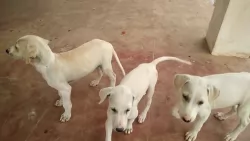 Like so many of the old breeds raised in a lot of isolation, the Mudhol is a very healthy breed. There are no genetic illnesses and they have a long line of dogs able to deal with the weather in India and avoid any sickness. However, they do have a few conditions they are prone to.
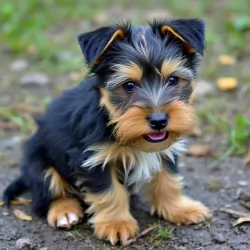 Caring for a Gully Terrier is straightforward but requires attention to their exercise, grooming, and training needs:
Gully Terriers are energetic and need daily exercise. Regular walks, runs, or play sessions will keep them happy and healthy.
They are smart and need activities that challenge their minds, like puzzle toys or training sessions.
Their short coat requires minimal care. Brush them once or twice a week and clean their ears regularly to prevent infections. Trim nails as needed.
Gully Terriers can be a bit independent, so start training early with positive reinforcement. Socialize them with people and other animals to avoid territorial behavior.
Feed them a balanced diet and control their portions to avoid weight gain. Regular vet check-ups will help keep them healthy.
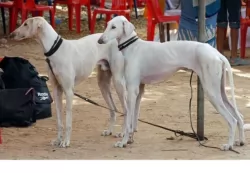 The Mudhol puppy needs a high quality dry food. They should eat three to four times a day in smaller portions. A total of 3 to 3.5 cups per day.
The adult Mudhol should eat about two and a half cups of high quality dry food twice a day. Do not overfeed the Mudhol and don’t let him run right after eating.
Outstanding speed and stamina
This is a high energy, active dog that needs a lot of space and exercise. She needs to be able to run freely as long as she wants at least a couple times a day. He has incredible endurance and a very high prey drive. They must be in a fenced area unless on a leash. They are great at lure coursing, fly ball and agility.