 MyDogBreeds
 Gully Terrier is originated from India but Otterhound is originated from United Kingdom. Gully Terrier may grow 14 cm / 5 inches shorter than Otterhound. Gully Terrier may weigh 19 kg / 41 pounds lesser than Otterhound. Both Gully Terrier and Otterhound has almost same life span. Both Gully Terrier and Otterhound has almost same litter size. Both Gully Terrier and Otterhound requires Moderate maintenance.
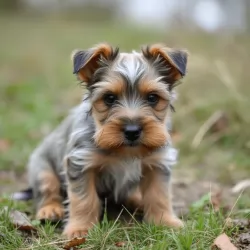 The Gully Terrier originated in India as a street dog, a mix of indigenous Indian Pariah Dogs and bully breeds like Pit Bulls and American Bulldogs.
Developed primarily for protection and hunting, they were used as guard dogs in urban and semi-urban areas. The name "Gully" refers to the narrow alleys and streets where these dogs were often found, while "Bully" highlights their muscular, strong build inherited from bully breeds.
Known for their loyalty, alertness, and protective instincts, Gully Terriers became valued companions for families in need of a strong, resilient dog that could thrive in tough environments.
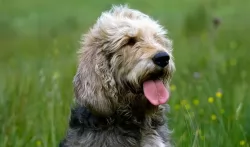 There aren’t many Otterhounds around and this British pure-breed dog is a scenthound and dates far back to the 19th century.
The dog is regarded as a Vulnerable breed by the English Kennel Club. It is believed that these dogs descended from Bloodhounds and that it was developed in England to hunt otters.The dog’s nose is so sensitive that he was well suited to this job. He was appreciated by royalty and had many royal admirers.
The dog was brought to the United States in 1900 and the Otterhound Club of America was founded in 1960 with the Otter Hound being officially recognized by the American Kennel Club in 1991.
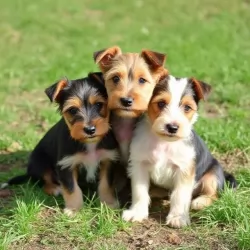 The Gully Terrier is a medium-sized, muscular dog known for its agility, loyalty, and protective nature. With a short, dense coat that comes in various colors, including black, brown, tan, and white, this breed has a distinctive appearance, often with a strong, powerful build.
The Gully Terrier is highly energetic and requires regular exercise to stay happy and healthy. Its intelligent, alert, and sometimes independent nature makes it a great guard dog and companion, although consistent training is necessary to manage its strong-willed personality.
This breed is well-suited for active families or individuals looking for a devoted and protective dog with a loving but protective demeanor.
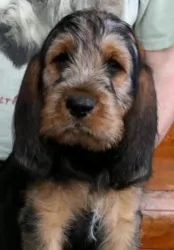 The Otterhound has a weather-resistant double coat which is somewhat oily. The coat is available in a number of colors such as wheat, red, grizzle, black, cream and tan with some white markings.
The double coat is somewhat oily and he has webbed feet, making him particularly suited for his life around water. This large hound stands at between 61 and 70cm and weighs in the region of 35 to 54kg. He has a large head with a nose that can track and scent in mud.
Otterhounds are active dogs, loving nothing more than to be running and playing, and that of course includes swimming. He makes a great sporting companion too and won’t have trouble keeping up with you as you jog or cycle.
These dogs are friendly, social, docile and amicable but they are also strong-willed, stubborn and independent. If you want him to be obedient and well behaved, then he will most certainly require training and socialization.
They get on well with children and will appreciate a firm, consistent, kind owner. He isn’t a city dog as he requires room to run, and therefore a farm or home with large grounds will suit him. Not only that, he is quite a barker, especially when he is bored with nothing to do so city life and living close to neighbors won't do for him . He will suit an active, outdoor family.
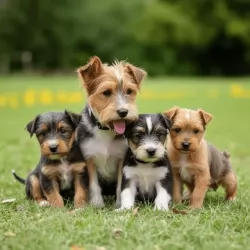 The Gully Terrier is a loyal, energetic, and intelligent breed with a strong, muscular build. Known for their protective nature, they make excellent guard dogs, staying alert and watchful of their surroundings.
While they are friendly and devoted to their family, they can also be independent and sometimes stubborn, requiring consistent training. Their short, dense coat is easy to groom, needing only regular brushing and ear cleaning.
Gully Terriers are active dogs that thrive on daily exercise and mental stimulation, making them great companions for those with an active lifestyle.
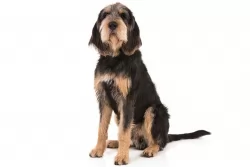 Your Otterhound is a big, beautiful dog who is also lovable, making a great pet for an active kind of family. He is friendly, social and playful but he is also independent and likes to have his own space occasionally.
He is a loyal, fun dog who has a sense of humor, providing quite a bit of entertainment for his owner. He is the kind of dog that is willing to be 100% part of the family and will be thrilled to be counted in on all activities – whether camping, hiking or swimming.
Give him the love he craves and he will make you an awesome 4-legged friend.
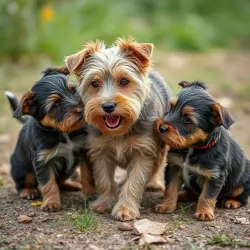 Like many medium to large-sized dogs, Gully Terriers can be prone to hip dysplasia, a condition where the hip joint doesn't develop properly, leading to arthritis and discomfort.
Due to their floppy or semi-erect ears, Gully Terriers can be more susceptible to ear infections. Regular ear cleaning and checking can help prevent this.
Their short coat can sometimes be prone to skin irritations, especially if they are exposed to harsh weather or poor hygiene. Allergies or parasite infestations (like fleas) can cause skin problems.
Gully Terriers are highly energetic, but they can be prone to obesity if they don't get enough exercise or are overfed. A balanced diet and regular activity are essential.
Some dogs in this breed may experience congenital eye issues like cataracts or progressive retinal atrophy (PRA), which can affect vision.
Regular vet check-ups to monitor joints, ears, and skin Consistent exercise to maintain a healthy weight Proper grooming to reduce risk of skin issues and ear infections
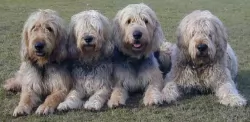 The average lifespan of this dog is between 10 and 13 years, but with good care he can reach 15 years of age.
The Otterhound is generally a healthy breed but he can sometimes get one or two of the common dog diseases there are.
Common problems that can occur are hip dysplasia. There are things that can be done to prevent this joint condition and one is to ensure your dog doesn’t become overweight. You also want to prevent having your young dog exercise excessively before his first birthday and you don’t want him leaping off beds or other high places.
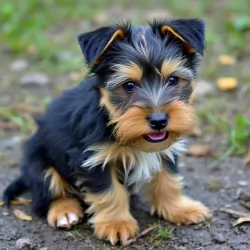 Caring for a Gully Terrier is straightforward but requires attention to their exercise, grooming, and training needs:
Gully Terriers are energetic and need daily exercise. Regular walks, runs, or play sessions will keep them happy and healthy.
They are smart and need activities that challenge their minds, like puzzle toys or training sessions.
Their short coat requires minimal care. Brush them once or twice a week and clean their ears regularly to prevent infections. Trim nails as needed.
Gully Terriers can be a bit independent, so start training early with positive reinforcement. Socialize them with people and other animals to avoid territorial behavior.
Feed them a balanced diet and control their portions to avoid weight gain. Regular vet check-ups will help keep them healthy.
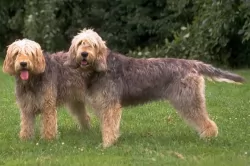 Your Otterhound has a curly, longish water resistant double coat which doesn’t shed much. The coat is easy to groom, requiring nothing much more than a brush twice a week.
The nails of the dog should be checked regularly and trimmed. Check in and outside his ears as well as his eyes for any sign of infection.
His teeth should also be checked. Some people are reluctant to brush their pet’s teeth, saying this is a new money-making fad and that it has never been required in the past. Whatever your views, periodically check inside your pet’s mouth for the sign of a rotten tooth as this can cause your pet a lot of pain and illness.
The Otterhound has no special food requirements and relies on you to feed him quality, tasty food. For convenience, there are some excellent ready-to-eat, convenient commercially manufactured foods made to cater for your pet’s size and his activity levels.
He also relies on variety in his diet, so give him some home-made food added into the kibble a couple of times a week. Boiled chicken, brown rice or pasta and some cooked vegetables such as carrots, sweet pototoes and spinach will be excellent for him.
He will thank you for keeping things so simple for him as then he won’t be plagued by digestive problems and visits to the vet. You can also add in some raw meat occasionally. Never leave him without fresh, cool water.