 MyDogBreeds
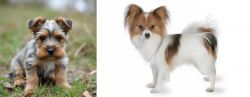 Gully Terrier is originated from India but Papillon is originated from France. Gully Terrier may grow 28 cm / 12 inches higher than Papillon. Gully Terrier may weigh 30 kg / 67 pounds more than Papillon. Both Gully Terrier and Papillon has same life span. Gully Terrier may have more litter size than Papillon. Both Gully Terrier and Papillon requires Moderate maintenance.
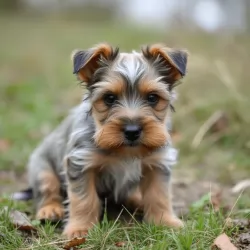 The Gully Terrier originated in India as a street dog, a mix of indigenous Indian Pariah Dogs and bully breeds like Pit Bulls and American Bulldogs.
Developed primarily for protection and hunting, they were used as guard dogs in urban and semi-urban areas. The name "Gully" refers to the narrow alleys and streets where these dogs were often found, while "Bully" highlights their muscular, strong build inherited from bully breeds.
Known for their loyalty, alertness, and protective instincts, Gully Terriers became valued companions for families in need of a strong, resilient dog that could thrive in tough environments.
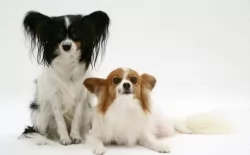
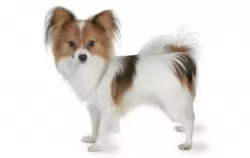 With his eye-catching butterfly-look-alike feathery ears, the Papillon, also called the Continental Toy Spaniel or the Squirrel Spaniel, is one of the oldest of the toy spaniels.
You can see that the history of the Papillon goes very far back as the dog has been depicted in early works of art dating back to the 1500s. They were at first bred for the companions of noblewomen, appearing in many paintings where they are seen in royal courts.
The AKC registered its first Papillon in 1915. It is believed that the dog hails from France and Belguim. The Papillon was first recognized by the AKC in 1935 and the Papillon Club of America was also formed.
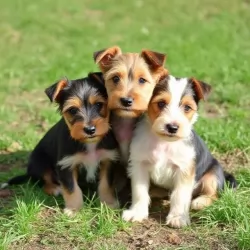 The Gully Terrier is a medium-sized, muscular dog known for its agility, loyalty, and protective nature. With a short, dense coat that comes in various colors, including black, brown, tan, and white, this breed has a distinctive appearance, often with a strong, powerful build.
The Gully Terrier is highly energetic and requires regular exercise to stay happy and healthy. Its intelligent, alert, and sometimes independent nature makes it a great guard dog and companion, although consistent training is necessary to manage its strong-willed personality.
This breed is well-suited for active families or individuals looking for a devoted and protective dog with a loving but protective demeanor.
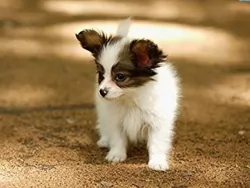 Papillon means 'butterfly' which refers to the dog's fringed upright ears. You also get the floppy eared variety which is known as phalene, meaning 'moth'.
The Papillon dog stands at between 20 – 28cm in height and weighs between 3 and 4.5kg. The tail arches over the back in a feathery plume. His coat is thick and silky but he doesn't have an undercoat. The coat is white with tan or white with black.
When you look at his bright little face, you can see that he is an intelligent dog who can be trained and socialized with ease. In fact he loves to be occupied with something challenging, so it will be a good ides to buy him some stimulating toys to play with.
When you first see the Papillon dog you might think he is fragile like a butterfly – a typical lap dog – but this isn't so at all. He is tough, robust, energetic, alert and friendly. Bright and alert, they also make great watchdogs.
He'll be able to adapt to life in the city or the countryside. Even though he is good with children and pets in the home, he'd prefer to live with adults as he couldn't handle undisciplined rough and tumble children who haven't learned how to respect dogs, especially little ones that can get hurt easily.
This is such a sweet-natured little dog that you want to do everything you can to keep him content
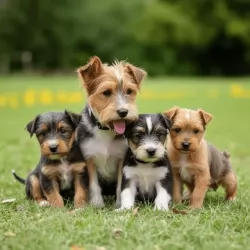 The Gully Terrier is a loyal, energetic, and intelligent breed with a strong, muscular build. Known for their protective nature, they make excellent guard dogs, staying alert and watchful of their surroundings.
While they are friendly and devoted to their family, they can also be independent and sometimes stubborn, requiring consistent training. Their short, dense coat is easy to groom, needing only regular brushing and ear cleaning.
Gully Terriers are active dogs that thrive on daily exercise and mental stimulation, making them great companions for those with an active lifestyle.
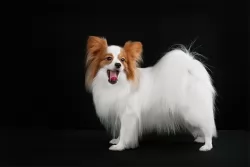 The Papillon is a bright, intelligent and energetic little dog. When you bring him into your home you must remember that small though he is, he will require lots of mental and physical exercise.
You're going to love having the Papillon in your home as he is guaranteed to make the sweetest, most loving pet and companion.
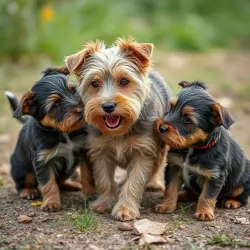 Like many medium to large-sized dogs, Gully Terriers can be prone to hip dysplasia, a condition where the hip joint doesn't develop properly, leading to arthritis and discomfort.
Due to their floppy or semi-erect ears, Gully Terriers can be more susceptible to ear infections. Regular ear cleaning and checking can help prevent this.
Their short coat can sometimes be prone to skin irritations, especially if they are exposed to harsh weather or poor hygiene. Allergies or parasite infestations (like fleas) can cause skin problems.
Gully Terriers are highly energetic, but they can be prone to obesity if they don't get enough exercise or are overfed. A balanced diet and regular activity are essential.
Some dogs in this breed may experience congenital eye issues like cataracts or progressive retinal atrophy (PRA), which can affect vision.
Regular vet check-ups to monitor joints, ears, and skin Consistent exercise to maintain a healthy weight Proper grooming to reduce risk of skin issues and ear infections
 As a responsible dog owner you want to make sure that your pet has the best chance to reach the age of 14, 15 or 16. Unfortunately, there are always some common dog illnesses that you need to be aware of -
This condition occurs when the dog's patella or kneecap is dislocated and then it can only be returned to its normal position once the quadriceps in the hind legs of the dog relax and lengthen. You’ll see dogs with this condition holding up a hind leg. This joint abnormality is more common in toy breeds like this.
The windpipe of a dog is made out of tissue membranes and when the dog breathes, air quickly moves through the trachea, causing the pressure inside of it to go down. A weak cartilage in the windpipe causes a collapsed trachea in dogs, and occurs almost exclusively in small dogs such as the Papillon.
Many small dogs are born with cartilage that is strong enough to hold the trachea open. As cartilage ages though, it weakens. You’ll notice your dog has a rasping cough when he is excited. Sometimes it is mistaken for kennel cough which can be remedied fairly quickly while a collapsed trachea in dogs is a lifelong syndrome.
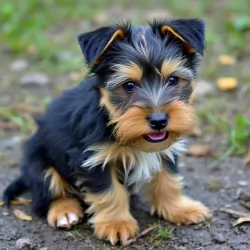 Caring for a Gully Terrier is straightforward but requires attention to their exercise, grooming, and training needs:
Gully Terriers are energetic and need daily exercise. Regular walks, runs, or play sessions will keep them happy and healthy.
They are smart and need activities that challenge their minds, like puzzle toys or training sessions.
Their short coat requires minimal care. Brush them once or twice a week and clean their ears regularly to prevent infections. Trim nails as needed.
Gully Terriers can be a bit independent, so start training early with positive reinforcement. Socialize them with people and other animals to avoid territorial behavior.
Feed them a balanced diet and control their portions to avoid weight gain. Regular vet check-ups will help keep them healthy.
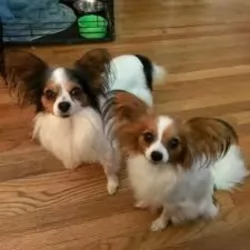 Papillons are average shedders so they will require brushing at least twice a week. Certainly the long ear fringes will need to be washed and brushed, after all this is this little dog’s trademark.
You’ve got to be careful with a small dog like the Papillon as it can easily become overweight and that in itself can bring on health problems. There are excellent commercially manufactured dog foods for small breed dogs that have the right amount of minerals and vitamins in them. Choose the best quality ones.
Home-made food such as chopped-up boiled chicken, some brown rice or pasta and cooked vegetables such as carrots, spinach and sweet potatoes can keep your little dog healthy and fit. Dogs just want simple, nutritious meals which aren’t changed often as it could upset their digestive system.
Keep things consistent and avoid human foods such as chips, chocolates, coffee and spices Never leave your pet without a steady supply of fresh, cool water.
Provide your pet with a nice warm, dry bed.
If you bring a puppy into the home, check on puppy vaccines to avoid some deadly diseases.
Get your dog neutered or spayed if you don’t want it to become a parent.
Exercise your pet and provide him with love and attention.