 MyDogBreeds
 Gully Terrier is originated from India but Perdiguero de Burgos is originated from Spain. Gully Terrier may grow 8 cm / 3 inches shorter than Perdiguero de Burgos. Both Gully Terrier and Perdiguero de Burgos are having almost same weight. Both Gully Terrier and Perdiguero de Burgos has almost same life span. Both Gully Terrier and Perdiguero de Burgos has almost same litter size. Gully Terrier requires Moderate maintenance. But Perdiguero de Burgos requires Low maintenance
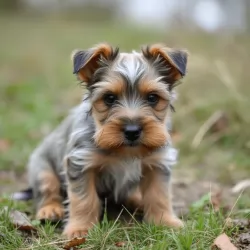 The Gully Terrier originated in India as a street dog, a mix of indigenous Indian Pariah Dogs and bully breeds like Pit Bulls and American Bulldogs.
Developed primarily for protection and hunting, they were used as guard dogs in urban and semi-urban areas. The name "Gully" refers to the narrow alleys and streets where these dogs were often found, while "Bully" highlights their muscular, strong build inherited from bully breeds.
Known for their loyalty, alertness, and protective instincts, Gully Terriers became valued companions for families in need of a strong, resilient dog that could thrive in tough environments.
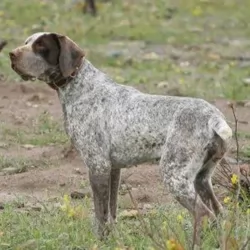 The Iberian Peninsula is thought to be the place of origin for many of the pointing breeds of Europe, and the Perdiguero de Burgos hails from Spain. Known as the Spanish Pointer, the dog has contributed to the development of other pointer breeds.
The dog has been around since the 1500s and believed to be a descendent of the Perdiguero Navarro and the Sabueso Español.
Today's Perdiguero de Burgos is smaller and lighter so as to make it into a better bird-hunting dog.
The Perdiguero de Burgos has always been used to hunt deer but today it is used as a pointer of smaller animals and birds.
 The Gully Terrier is a medium-sized, muscular dog known for its agility, loyalty, and protective nature. With a short, dense coat that comes in various colors, including black, brown, tan, and white, this breed has a distinctive appearance, often with a strong, powerful build.
The Gully Terrier is highly energetic and requires regular exercise to stay happy and healthy. Its intelligent, alert, and sometimes independent nature makes it a great guard dog and companion, although consistent training is necessary to manage its strong-willed personality.
This breed is well-suited for active families or individuals looking for a devoted and protective dog with a loving but protective demeanor.
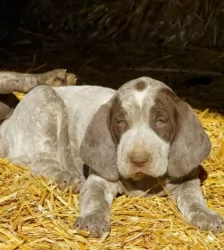 The Perdiguero de Burgos is a large dog with straight, strong legs and a strong, musculr body. He stands at between 52 - 64 cm and weighs between 22 - 32 kg.
The short, smooth coat is white and liver and the coat is heavily flecked or speckled. The ears are Long and floppy, the nose dark brown, the eyes dark hazel and the tail long and fairly slender. The tail has always generally been docked.
The chest is deep, it has a strong, square shaped head with the muzzle being long and quite broad. This dog isn’t recommended for life in the city as they are active dogs requiring a lot of open spaces.
These are wonderfully calm dogs, being gentle and intelligent and with a quite, confident expression to them. Even on the hunt these gun dogs are calm and steady. He is obedient and intelligent, easy to train and patient with children and other dogs.
Training and socialization of this excellent dog simply makes him even more obedient, amicable, Loving and loyal, making him a splendid pet.
 The Gully Terrier is a loyal, energetic, and intelligent breed with a strong, muscular build. Known for their protective nature, they make excellent guard dogs, staying alert and watchful of their surroundings.
While they are friendly and devoted to their family, they can also be independent and sometimes stubborn, requiring consistent training. Their short, dense coat is easy to groom, needing only regular brushing and ear cleaning.
Gully Terriers are active dogs that thrive on daily exercise and mental stimulation, making them great companions for those with an active lifestyle.
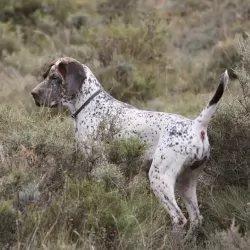 Your Perdiguero de Burgos is such an amicable dog, making a splendid family pet. He can sometimes be a little reserved but he is never aggressive.
He can be stubborn but he is intelligent and responds well to training and socialization. He is lively, playful, energetic, calm and loving and he will be willing to join you when you go out jogging or riding your bicycle.
When it comes to grooming he is also pretty low maintenance, so you can see that when it comes to choosing a fantastic family pet, this easy-going, calm dog should be a top consideration.
 Like many medium to large-sized dogs, Gully Terriers can be prone to hip dysplasia, a condition where the hip joint doesn't develop properly, leading to arthritis and discomfort.
Due to their floppy or semi-erect ears, Gully Terriers can be more susceptible to ear infections. Regular ear cleaning and checking can help prevent this.
Their short coat can sometimes be prone to skin irritations, especially if they are exposed to harsh weather or poor hygiene. Allergies or parasite infestations (like fleas) can cause skin problems.
Gully Terriers are highly energetic, but they can be prone to obesity if they don't get enough exercise or are overfed. A balanced diet and regular activity are essential.
Some dogs in this breed may experience congenital eye issues like cataracts or progressive retinal atrophy (PRA), which can affect vision.
Regular vet check-ups to monitor joints, ears, and skin Consistent exercise to maintain a healthy weight Proper grooming to reduce risk of skin issues and ear infections
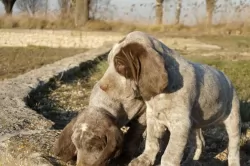 All dogs can develop health problems, and with the Perdiguero de Burgos you will need to be made aware of some of the common heath problems there are -
Hip dysplasia is a common skeletal disease where the dog’s hip joints don’t develop properly and the hips partially dislocate. It makes it very painful for the dog to get around. Hip dysplasia is a genetic condition, although diet and environmental factors can play a big part too. Rapid weight gain can also contribute to hip dysplasia as the extra weight puts strain on the joints.
This is caused by inflammation of the thyroid gland. Thyroid cancer can also cause hypothyroidism, and it occurs more often in large breed dogs. A common sign of low thyroid function in dogs includes thinning of the hair and a dull, lifeless coat. There is also weight gain and reduced activity. Hypothyroid dogs also are inclined to have ear infections as well as skin infections. Your pet will need to get to the vet for blood tests and treatment.
Other health problems include eye problems, allergies, bloat and even epilepsy. Once you buy a puppy, it is your responsibility to protect him from some of the deadly diseases there are and take him to the vet for his puppy vaccines.
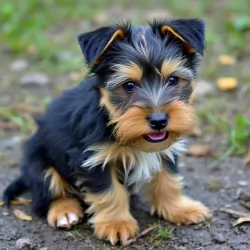 Caring for a Gully Terrier is straightforward but requires attention to their exercise, grooming, and training needs:
Gully Terriers are energetic and need daily exercise. Regular walks, runs, or play sessions will keep them happy and healthy.
They are smart and need activities that challenge their minds, like puzzle toys or training sessions.
Their short coat requires minimal care. Brush them once or twice a week and clean their ears regularly to prevent infections. Trim nails as needed.
Gully Terriers can be a bit independent, so start training early with positive reinforcement. Socialize them with people and other animals to avoid territorial behavior.
Feed them a balanced diet and control their portions to avoid weight gain. Regular vet check-ups will help keep them healthy.
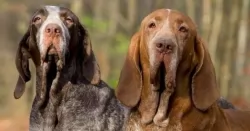 Exercise is of critical importance to these energetic dogs. That is why it is important for them to live in a home where there is plenty of opportunity to run, swim and hike. They’re way too energetic to be confined to a tiny city property.
The dog is an average shedder and the smooth coat of the Perdiguero de Burgos simply requires a brush-down twice a week. A rub down too with a chamois will be therapeutic for your pet and leave the coat shiny and vibrant.
Rubbing your pet down like this will give you the opportunity to feel for any unusual lumps and check for fleas and ticks. It is also your chance to check inside the dog’s ears. The ears are floppy and because the dog loves water so much, dirt, wax and moisture can be a breeding place for bacteria and painful ear infections.
If you feed your Perdiguero de Burgos a commercially manufactured dog food, make sure you choose a high quality one that has been manufactured particularly for large, energetic dogs. Some of the poor quality foods have bad ingredients in them such as colorants, preservatives and worthless, toxic fillers that can have a detrimental affect on your pets health.
Try and include some tasty homemade food into your dog’s diet too. Tasty, nutritious food such as boiled chicken, brown rice or pasta and wholesome vegetables such as sweet potato, carrots and spinach will do your pet the world of good. You can every now and then, also include some raw meat.
All a dog wants is a simple, wholesome diet like this as it ensures he doesn’t have any digestive upsets. Dogs like simplicity and consistency. Make sure your pet has a never-ending supply of fresh, cool water.