 MyDogBreeds
 Gully Terrier is originated from India but Peruvian Hairless is originated from Peru. Gully Terrier may grow 6 cm / 3 inches higher than Peruvian Hairless. Gully Terrier may weigh 10 kg / 23 pounds more than Peruvian Hairless. Gully Terrier may live 3 years more than Peruvian Hairless. Gully Terrier may have more litter size than Peruvian Hairless. Both Gully Terrier and Peruvian Hairless requires Moderate maintenance.
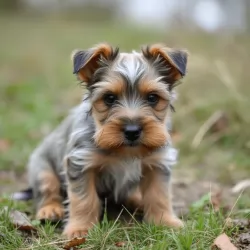 The Gully Terrier originated in India as a street dog, a mix of indigenous Indian Pariah Dogs and bully breeds like Pit Bulls and American Bulldogs.
Developed primarily for protection and hunting, they were used as guard dogs in urban and semi-urban areas. The name "Gully" refers to the narrow alleys and streets where these dogs were often found, while "Bully" highlights their muscular, strong build inherited from bully breeds.
Known for their loyalty, alertness, and protective instincts, Gully Terriers became valued companions for families in need of a strong, resilient dog that could thrive in tough environments.
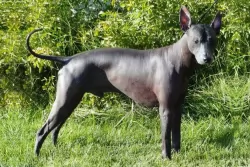 This is an ancient breed, and he even looks like he comes from ancient times. This particular dog, the Peruvian Hairless, was part of the Inca Empire and it is amazing that depictions of Peruvian hairless dogs have been seen around around 750 A.D.
It is believed the dogs were a meal for many in those ancient times, and that together with the Spanish conquest of Peru resulted in the dog almost being wiped out.
Today the dog is held in esteem in Peru and it is looked upon as the national dog of Peru – an accolade this dog received in 2001. The Federation Cynologique Internationale has accepted this breed and also adopted an official breed standard.
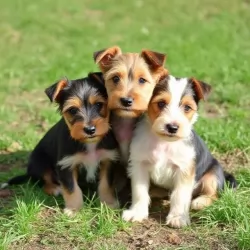 The Gully Terrier is a medium-sized, muscular dog known for its agility, loyalty, and protective nature. With a short, dense coat that comes in various colors, including black, brown, tan, and white, this breed has a distinctive appearance, often with a strong, powerful build.
The Gully Terrier is highly energetic and requires regular exercise to stay happy and healthy. Its intelligent, alert, and sometimes independent nature makes it a great guard dog and companion, although consistent training is necessary to manage its strong-willed personality.
This breed is well-suited for active families or individuals looking for a devoted and protective dog with a loving but protective demeanor.
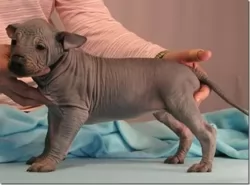 There is no doubt that the most important feature of this dog is its hairlessness, but there is nearly always a little bit of hair on top of its head and on the tip of the tail.
The color of the dog’s skin can be dark brown, mottled or a grey shade. They can be a solid color or grey or brown but with pink spots. The eyes of the dog are brown and the ears can be floppy or erect and the tail is long.
He stands at anything between 25 to 50cm, depending on whether he is a small or medium sized Peruvian. Weights can vary too but can be 4kg for the smaller type, going up to 25 kg for the larger dogs. The dogs are always slim.
Peruvian Hairless dogs love their human families, being somewhat wary around strangers. They are lively, intelligent, alert and protective.
Lean and agile, they can be quick too. Just like with any other dogs, he will require training and socialization if you want him to be obedient and well behaved. He gets on well with other pets in the house and will get on well with disciplined children. This is a quiet dog but even so, he makes a good guard dog.
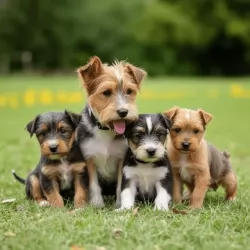 The Gully Terrier is a loyal, energetic, and intelligent breed with a strong, muscular build. Known for their protective nature, they make excellent guard dogs, staying alert and watchful of their surroundings.
While they are friendly and devoted to their family, they can also be independent and sometimes stubborn, requiring consistent training. Their short, dense coat is easy to groom, needing only regular brushing and ear cleaning.
Gully Terriers are active dogs that thrive on daily exercise and mental stimulation, making them great companions for those with an active lifestyle.
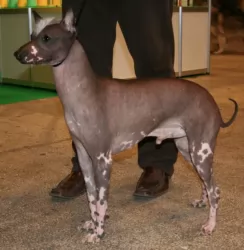 From ancient times, the Peruvian Hairless has been man’s best friend, and June 12th is the official day of the Peruvian Hairless Dog. These dogs love being surrounded by their human family. They are cheerful, playful, social dogs and they make great playmates for children when the children don’t rough play too much so as to injure him.
He is also a good watchdog and when he isn’t protecting you or playing he can be calm and quiet, and slot easily into life in the countryside or the city. Treat him well and you'll enjoy excellent friendship from this hairless canine friend.
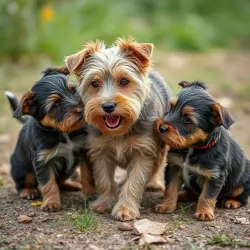 Like many medium to large-sized dogs, Gully Terriers can be prone to hip dysplasia, a condition where the hip joint doesn't develop properly, leading to arthritis and discomfort.
Due to their floppy or semi-erect ears, Gully Terriers can be more susceptible to ear infections. Regular ear cleaning and checking can help prevent this.
Their short coat can sometimes be prone to skin irritations, especially if they are exposed to harsh weather or poor hygiene. Allergies or parasite infestations (like fleas) can cause skin problems.
Gully Terriers are highly energetic, but they can be prone to obesity if they don't get enough exercise or are overfed. A balanced diet and regular activity are essential.
Some dogs in this breed may experience congenital eye issues like cataracts or progressive retinal atrophy (PRA), which can affect vision.
Regular vet check-ups to monitor joints, ears, and skin Consistent exercise to maintain a healthy weight Proper grooming to reduce risk of skin issues and ear infections
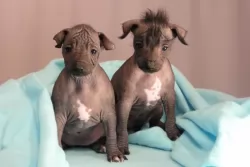 Like all breeds there will be some health problems with your Peruvian Hairless, although with good care care this dog can live to be 12 years of age or maybe even a little older. Some things to look out for include -
You may notice your dog not eating his food, having an upset stomach and vomiting. Irritable bowel syndrome in a dog is a persistent upset stomach, resulting in diarrhea and bloating. IBS isn’t reserved for older dogs, and it can affect any breed or sex. You’ll notice your pet being listless and without energy. In severe cases of IBS, you may notice blood in your pet’s feces. Don’t allow your canine friend to suffer – get him to the vet.
Also known as epilepsy, it can be disturbing for you to see your canine friend having a seizure. Uncontrolled bursts of electrical activity in your dog’s brain cause these seizures which are a mix of twitching and shaking. The seizure can last for less than a minute or for several minutes. A number of things can cause these seizures in dogs – head injuries, anemia, kidney disease, liver disease, electrolyte problems, brain cancer among others.
Many dogs suffer with one or other skin problems and these can be painful and frustrating. Hairless breeds are more likely to suffer with skin issues and they require special grooming and skin care to prevent dryness, insect bites, sunburn etc.
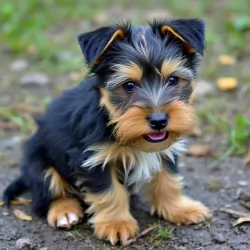 Caring for a Gully Terrier is straightforward but requires attention to their exercise, grooming, and training needs:
Gully Terriers are energetic and need daily exercise. Regular walks, runs, or play sessions will keep them happy and healthy.
They are smart and need activities that challenge their minds, like puzzle toys or training sessions.
Their short coat requires minimal care. Brush them once or twice a week and clean their ears regularly to prevent infections. Trim nails as needed.
Gully Terriers can be a bit independent, so start training early with positive reinforcement. Socialize them with people and other animals to avoid territorial behavior.
Feed them a balanced diet and control their portions to avoid weight gain. Regular vet check-ups will help keep them healthy.
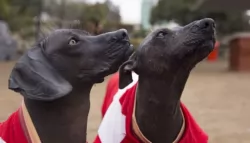 For some, the lack of hair is appealing to some people who battle with allergies. The skin of the dog will need to be washed to remove dirt. You’ve got to be careful however, what you wash your dog with because these dogs are known to get blackheads and acne because of blocked pores.
Then again, the skin can become quite dry, so you need to strike a balance. Talk to a dog expert or your vet on how to care for such a dog’s skin.
You’ll also need to consider your dog when he goes outside into the sun. Protection against sunlight is recommended and once again you might want to find out about sun blocks. Because of the lack of hair, he may also be sensitive to the cold.
Make sure this unusual pet gets the right diet. You want to be sure that whether you feed him commercially manufactured foods or he gets some home-made food it is full of vitamins and minerals. Steer away from spicy, unusual foods as dogs love simplicity and consistency.