 MyDogBreeds
 Gully Terrier is originated from India but Phung San is originated from North Korea. Both Gully Terrier and Phung San are having almost same height. Both Gully Terrier and Phung San are having almost same weight. Both Gully Terrier and Phung San has almost same life span. Both Gully Terrier and Phung San has almost same litter size. Both Gully Terrier and Phung San requires Moderate maintenance.
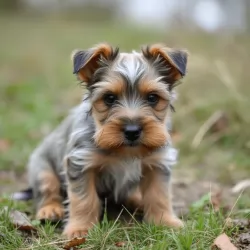 The Gully Terrier originated in India as a street dog, a mix of indigenous Indian Pariah Dogs and bully breeds like Pit Bulls and American Bulldogs.
Developed primarily for protection and hunting, they were used as guard dogs in urban and semi-urban areas. The name "Gully" refers to the narrow alleys and streets where these dogs were often found, while "Bully" highlights their muscular, strong build inherited from bully breeds.
Known for their loyalty, alertness, and protective instincts, Gully Terriers became valued companions for families in need of a strong, resilient dog that could thrive in tough environments.
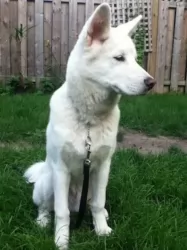 The Phung San, Pungsan or ‘Poongsan dog’ is native to Korea. Outside of Korea, this dog is virtually unheard of.
The origin of the dog goes back to the 16th century, but there aren’t many records of where the breed descended from. Some dog experts believe the breed descends from Siberian Laika dogs while others say they are a mix of Mastiff and Herding breeds. It is believed that the Pungsan has been used for hunting large predators.
It was during the Japanese occupation of North Korea that the breed was declared a national treasure.
The Phung San isn't recognized by any major kennel clubs.
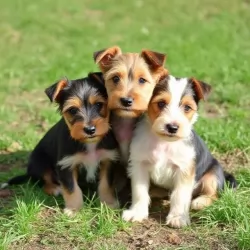 The Gully Terrier is a medium-sized, muscular dog known for its agility, loyalty, and protective nature. With a short, dense coat that comes in various colors, including black, brown, tan, and white, this breed has a distinctive appearance, often with a strong, powerful build.
The Gully Terrier is highly energetic and requires regular exercise to stay happy and healthy. Its intelligent, alert, and sometimes independent nature makes it a great guard dog and companion, although consistent training is necessary to manage its strong-willed personality.
This breed is well-suited for active families or individuals looking for a devoted and protective dog with a loving but protective demeanor.
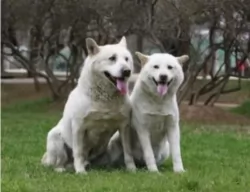
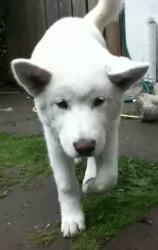 This is a Spitz-type dog and it is considered to be medium to large size. He is an athletic, muscular dog with a deep chest standing at 57 to 60cm in height and weighing roughly between 25 and 30kg.
The legs are nice and straight, the ears erect and the bushy tails curls up over the back.The head is fairly triangular in shape, the nose is black and the eyes are brown, bright and alert.
The coat is thick and comes in different shades of white and cream.
These dogs are such loyal, devoted pets. They’re independent dogs and will benefit from being trained and socialized. With this kind of training they can get on well with children in the home. They can be quite snooty with strangers but they’re good watchdogs.
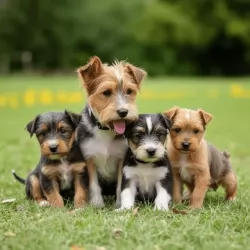 The Gully Terrier is a loyal, energetic, and intelligent breed with a strong, muscular build. Known for their protective nature, they make excellent guard dogs, staying alert and watchful of their surroundings.
While they are friendly and devoted to their family, they can also be independent and sometimes stubborn, requiring consistent training. Their short, dense coat is easy to groom, needing only regular brushing and ear cleaning.
Gully Terriers are active dogs that thrive on daily exercise and mental stimulation, making them great companions for those with an active lifestyle.
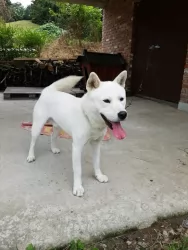 Your Phung San dog is a strong-willed dominant type of dog, and training and socialization will do him the world of good in terms of making him obedient and well mannered. He is loyal, faithful and loving and protects and guards those he loves.
Some people say these dogs aren’t a good choice for novice dog owners, but dogs essentially turn out the way their owners are. The right upbringing will ensure your Pungsan Dog is a good pet for new owners and for families with children.
Do research and you’ll see that these beautiful dogs make splendid pets and companions.
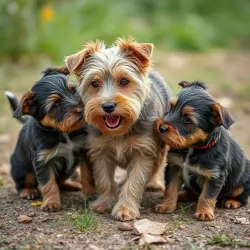 Like many medium to large-sized dogs, Gully Terriers can be prone to hip dysplasia, a condition where the hip joint doesn't develop properly, leading to arthritis and discomfort.
Due to their floppy or semi-erect ears, Gully Terriers can be more susceptible to ear infections. Regular ear cleaning and checking can help prevent this.
Their short coat can sometimes be prone to skin irritations, especially if they are exposed to harsh weather or poor hygiene. Allergies or parasite infestations (like fleas) can cause skin problems.
Gully Terriers are highly energetic, but they can be prone to obesity if they don't get enough exercise or are overfed. A balanced diet and regular activity are essential.
Some dogs in this breed may experience congenital eye issues like cataracts or progressive retinal atrophy (PRA), which can affect vision.
Regular vet check-ups to monitor joints, ears, and skin Consistent exercise to maintain a healthy weight Proper grooming to reduce risk of skin issues and ear infections
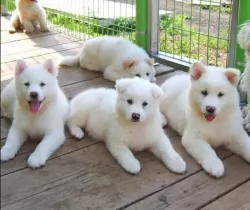 Able to get to 13 or 14 years of age, the Pungsan dog enjoys good health, but there are some dog diseases that it is good to be aware of -
Hip Dysplasia can mean no more games for your pet. It’s a disease that can have a large impact on your pet’s quality of life. It’s not reserved for old dogs either but it affects medium to large breed dogs.
Diet, weight of dog, genetics and environmental factors can all cause hip dysplasia, and while the symptoms are often subtle at first, you’ll see a limp starting and your dog holding his leg up off the ground. The severity of symptoms can change from day to day but the pain can be severe and you will need to get your pet to the vet.
This is an eye problem where the eyelids roll too far inwards and then scrape on the surface of the eye, possibly leading to corneal scarring and painful eye infections.
This is a life threatening illness where the stomach bloats up with gas and the stomach can actually twist. Your pet will be restless, panting and acting out of character and absolutely no time should be wasted getting your pet to the vet.
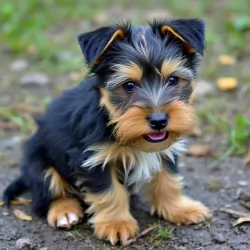 Caring for a Gully Terrier is straightforward but requires attention to their exercise, grooming, and training needs:
Gully Terriers are energetic and need daily exercise. Regular walks, runs, or play sessions will keep them happy and healthy.
They are smart and need activities that challenge their minds, like puzzle toys or training sessions.
Their short coat requires minimal care. Brush them once or twice a week and clean their ears regularly to prevent infections. Trim nails as needed.
Gully Terriers can be a bit independent, so start training early with positive reinforcement. Socialize them with people and other animals to avoid territorial behavior.
Feed them a balanced diet and control their portions to avoid weight gain. Regular vet check-ups will help keep them healthy.
 This is an active, energetic dog that will require some vigorous physical activity each day. While a walk is an excellent form of exercise, he will need something more hectic. You can take him to the park and allow him to run free off his leash, take him with you on your hikes and play ball- or frisbee games with him.
Your Pungsan sheds quite a bit because the fur is thick and you will need to have him brushed at least twice a week. Turn this brushing session into a proper grooming session. There are several things to check during these brushing sessions which your pet will love -
Run your hands over him and check for any unusual lumps.
Look inside his mouth and check his teeth. Your pet can’t tell you that there is a rotting tooth causing tremendous pain and illness.
Check the inside of his ears and make sure they aren’t red and clogged with excess wax and debris. There are ways to clean them and if you don’t know how or you don’t want to, allow a professional groomer to check his teeth, inside his ears and also trim his nails.
Make sure he has an excellent diet. There are some really good commercially manufactured dog foods that have the right balance of vitamins and minerals in them. Give him some home-made food too. Nothing exotic and spicy – just wholesome, simple food that won’t upset his stomach – boiled chicken, brown rice or pasta and some sweet potato, carrots and spinach. Mix these into his kibble from time to time. Once in a while you can also give him some raw meat. Make sure he has easy access to fresh, cool water.