 MyDogBreeds
 Gully Terrier is originated from India but Plummer Terrier is originated from United Kingdom. Gully Terrier may grow 20 cm / 8 inches higher than Plummer Terrier. Gully Terrier may weigh 27 kg / 60 pounds more than Plummer Terrier. Both Gully Terrier and Plummer Terrier has same life span. Gully Terrier may have more litter size than Plummer Terrier. Gully Terrier requires Moderate maintenance. But Plummer Terrier requires Low maintenance
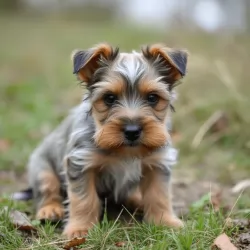 The Gully Terrier originated in India as a street dog, a mix of indigenous Indian Pariah Dogs and bully breeds like Pit Bulls and American Bulldogs.
Developed primarily for protection and hunting, they were used as guard dogs in urban and semi-urban areas. The name "Gully" refers to the narrow alleys and streets where these dogs were often found, while "Bully" highlights their muscular, strong build inherited from bully breeds.
Known for their loyalty, alertness, and protective instincts, Gully Terriers became valued companions for families in need of a strong, resilient dog that could thrive in tough environments.
 This purebred dog was developed by Dr David Brian Plummer in the UK. The whole idea for developing the dog was for it to be an all-purpose dog that could also hunt down vermin.
Developed in the 1960s, the Plummer Terrier combines Jack Russell Terrier, Beagle, and red Fell Terrier blood. Later on, a Bull Terrier was brought in too. This created some problems and certain characteristics were selectively bred out of the Plummer.
Today, as a working terrier, the dog is versatile and has many uses. He may not be recognized by any major organizations, but there is at least a well-established Plummer Terrier club in the UK.
 The Gully Terrier is a medium-sized, muscular dog known for its agility, loyalty, and protective nature. With a short, dense coat that comes in various colors, including black, brown, tan, and white, this breed has a distinctive appearance, often with a strong, powerful build.
The Gully Terrier is highly energetic and requires regular exercise to stay happy and healthy. Its intelligent, alert, and sometimes independent nature makes it a great guard dog and companion, although consistent training is necessary to manage its strong-willed personality.
This breed is well-suited for active families or individuals looking for a devoted and protective dog with a loving but protective demeanor.
 The Plummer Terrier is a small, working terrier standing at between 28 and 36cm both male and female and weighing between 5 and 8kg.
The ears of the dog are high set and are fairly short, being floppy. The Plummer Terrier has a white and red/orangey coat which is short. He is an average shedder.
The tail would traditionally be docked, giving him an attractive, compact look, but these days the tail tends to be left long. The eyes are almond-shaped, dark brown and alert.
Your Plummer Terrier is active, hardy and adaptable, making it that he can settle down into life in the city or in the countryside. They will however, require regular exercise.
They’re the kind of dogs which are at home inside or outside. They’re very intelligent and can easily be trained and socialized. They’re also loving and loyal towards their human family. He is good with kids too and is playful and energetic around them, giving as good as he gets. His alert, intelligent nature makes him a good watchdog.
 The Gully Terrier is a loyal, energetic, and intelligent breed with a strong, muscular build. Known for their protective nature, they make excellent guard dogs, staying alert and watchful of their surroundings.
While they are friendly and devoted to their family, they can also be independent and sometimes stubborn, requiring consistent training. Their short, dense coat is easy to groom, needing only regular brushing and ear cleaning.
Gully Terriers are active dogs that thrive on daily exercise and mental stimulation, making them great companions for those with an active lifestyle.
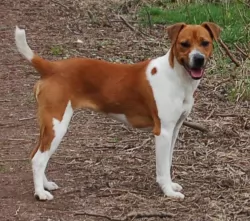 Your Plummer Terrier promises to be a great companion and family pet, getting on well with children.
They’re intelligent too, so they’re easy to train. Being low maintenance and being a healthy breed too, the Plummer Terrier has got everything that people want from a canine friend - love, devotion, action, low maintenance, health and a wonderfully companionable nature.
 Like many medium to large-sized dogs, Gully Terriers can be prone to hip dysplasia, a condition where the hip joint doesn't develop properly, leading to arthritis and discomfort.
Due to their floppy or semi-erect ears, Gully Terriers can be more susceptible to ear infections. Regular ear cleaning and checking can help prevent this.
Their short coat can sometimes be prone to skin irritations, especially if they are exposed to harsh weather or poor hygiene. Allergies or parasite infestations (like fleas) can cause skin problems.
Gully Terriers are highly energetic, but they can be prone to obesity if they don't get enough exercise or are overfed. A balanced diet and regular activity are essential.
Some dogs in this breed may experience congenital eye issues like cataracts or progressive retinal atrophy (PRA), which can affect vision.
Regular vet check-ups to monitor joints, ears, and skin Consistent exercise to maintain a healthy weight Proper grooming to reduce risk of skin issues and ear infections
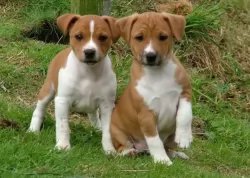 These feisty little dogs are known to be a robust, healthy breed and with good care can reach between 12 and 15 years of age, and maybe older.
Some common dog diseases that your Plummer Terrier might succumb too, but which is highly unlikely.
Distemper and parvovirus are two example of these infectious diseases. Parvovirus is deadly and can be picked up through contact with the feces of an infected dog. Your dog will be vomiting, won’t want to eat and will no doubt also have bloody diarrhea.
Distemper is transmitted through contact with an infected dog’s urine or blood. Symptoms include difficulty with breathing, fever and diarrhea. There are vaccines available for the prevention of these life-threatening diseases.
This disease can be debilitating for your pet and can include incontinence and bacterial infections. You’ll find your pet trying to urinate frequently but producing small drops of urine. Don’t hesitate – get your pet to the vet immediately.
You have to be careful with dental disease because many people think it affects just the teeth but it is linked to problems with the heart, kidneys and to diabetes. To prevent dental problems, look inside your dog’s mouth regularly and get him to a vet or professional dog groomer to attend to the tooth.
 Caring for a Gully Terrier is straightforward but requires attention to their exercise, grooming, and training needs:
Gully Terriers are energetic and need daily exercise. Regular walks, runs, or play sessions will keep them happy and healthy.
They are smart and need activities that challenge their minds, like puzzle toys or training sessions.
Their short coat requires minimal care. Brush them once or twice a week and clean their ears regularly to prevent infections. Trim nails as needed.
Gully Terriers can be a bit independent, so start training early with positive reinforcement. Socialize them with people and other animals to avoid territorial behavior.
Feed them a balanced diet and control their portions to avoid weight gain. Regular vet check-ups will help keep them healthy.
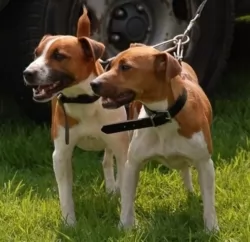 He is an active, energetic little dog and loves nothing more than to be darting after a ball, going for long walks with you or jumping into a pool. He’s happiest when active and busy with his beloved family members.
With his short coat and being a moderate shedder, you’ll just have to give your Plummer a good brush twice a week to keep the coat free of loose hairs and dust.
Always aim to give your dogs the best food there is. Dogs are just like people when it comes to food – nutritious, quality food helps towards good health and longevity. Apart from a good quality commercially manufactured food, give him some homemade food as a treat too. Simple, tasty food is best appreciated by dogs. They don’t want spicy, exotic foods that can upset their stomachs.
They love boiled chicken, brown rice or pasta and healthy vegetables such as sweet potatoes, carrots and spinach. You can add this into the dry kibble occasionally as a treat, and also some raw meat from time to time. Your pet will be healthy and happy with such a diet. Make sure he always has a bowl of cool, fresh water within reach.