 MyDogBreeds
Gully Terrier is originated from India but Podenco Galego is originated from Spain. Both Gully Terrier and Podenco Galego are having almost same height. Gully Terrier may weigh 20 kg / 45 pounds more than Podenco Galego. Both Gully Terrier and Podenco Galego has almost same life span. Both Gully Terrier and Podenco Galego has same litter size. Gully Terrier requires Moderate maintenance. But Podenco Galego requires Low maintenance
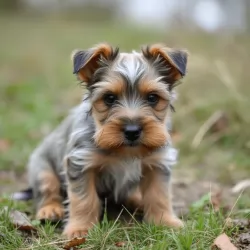 The Gully Terrier originated in India as a street dog, a mix of indigenous Indian Pariah Dogs and bully breeds like Pit Bulls and American Bulldogs.
Developed primarily for protection and hunting, they were used as guard dogs in urban and semi-urban areas. The name "Gully" refers to the narrow alleys and streets where these dogs were often found, while "Bully" highlights their muscular, strong build inherited from bully breeds.
Known for their loyalty, alertness, and protective instincts, Gully Terriers became valued companions for families in need of a strong, resilient dog that could thrive in tough environments.
The Galego is an ancient sighthound breed of hunting dog from Spain.
Unfortunately, like most of the Podencos, they have been badly treated in Spain. People who own them have also used them for rabbit hunting.
It is thought that these dogs may have been bred with other sighthounds over the centuries. The dog may well be the most recognized breed in Spain, but its isn’t recognized by the World Canine Organization. There are however breeders wanting to make it an official breed.
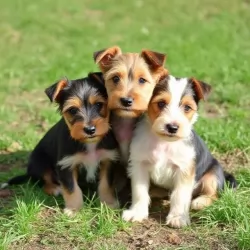 The Gully Terrier is a medium-sized, muscular dog known for its agility, loyalty, and protective nature. With a short, dense coat that comes in various colors, including black, brown, tan, and white, this breed has a distinctive appearance, often with a strong, powerful build.
The Gully Terrier is highly energetic and requires regular exercise to stay happy and healthy. Its intelligent, alert, and sometimes independent nature makes it a great guard dog and companion, although consistent training is necessary to manage its strong-willed personality.
This breed is well-suited for active families or individuals looking for a devoted and protective dog with a loving but protective demeanor.
The Podenco Galego is a medium sized dog standing at between 42 to 52cm in height and weighing roughly from 10 to 15kg.
The Podenco Galego is similar in appearance to greyhounds, being tall ad slender with short smooth coats There are varieties with longer coats. The dog is lean and agile with bright, intelligent eyes.
The coat is thick and dense and available in a variety of colours which include brindle and white. The ears are erect and the tail long.
Loving and loyal to his human family, it is terrible that this dog that has been so abused by humans should still wag his tail and offer a paw of friendship.
He is a gentle dog that loves to play with children. He is intelligent too and if you train him and have him socialized he can be a pleasure to have around.
He is the kind of dog that can adapt to life in the city or the countryside so long as he is exercised regualarly. He has well developed senses and is an alert dog, active and independent, responding well to training.
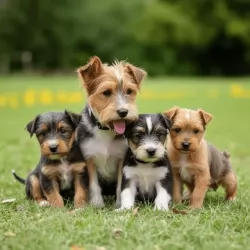 The Gully Terrier is a loyal, energetic, and intelligent breed with a strong, muscular build. Known for their protective nature, they make excellent guard dogs, staying alert and watchful of their surroundings.
While they are friendly and devoted to their family, they can also be independent and sometimes stubborn, requiring consistent training. Their short, dense coat is easy to groom, needing only regular brushing and ear cleaning.
Gully Terriers are active dogs that thrive on daily exercise and mental stimulation, making them great companions for those with an active lifestyle.
Your Podenco Galego is an energetic dog who will rely on you to provide him with lots of daily action.
He is a strong willed dog and will do well with a confident firm, patient and consistent owner. He becomes attached to his human owner and he plays well with gentle, kind, respectful children in the home.
He is a quiet dog too that doesn’t irritate with constant barking. He has had a raw deal from the people in Spain but he is still willing to show you what he can offer you – ongoing friendship and love, and that’s a lot more than lots of humans can offer you.
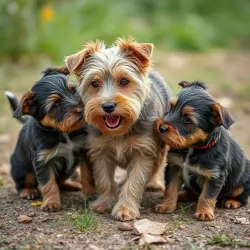 Like many medium to large-sized dogs, Gully Terriers can be prone to hip dysplasia, a condition where the hip joint doesn't develop properly, leading to arthritis and discomfort.
Due to their floppy or semi-erect ears, Gully Terriers can be more susceptible to ear infections. Regular ear cleaning and checking can help prevent this.
Their short coat can sometimes be prone to skin irritations, especially if they are exposed to harsh weather or poor hygiene. Allergies or parasite infestations (like fleas) can cause skin problems.
Gully Terriers are highly energetic, but they can be prone to obesity if they don't get enough exercise or are overfed. A balanced diet and regular activity are essential.
Some dogs in this breed may experience congenital eye issues like cataracts or progressive retinal atrophy (PRA), which can affect vision.
Regular vet check-ups to monitor joints, ears, and skin Consistent exercise to maintain a healthy weight Proper grooming to reduce risk of skin issues and ear infections
These dogs are ancient dog breeds not particularly well known outside the Iberian Penninsula. They are strong, robust dogs,resistant to disease. However, they can succumb to some of the more common dog diseases even though they are so resistant to diseases.
With proper care, a Podenco hardly ever gets sick and can live to be 12 – 14 years of age.They also have a low probability of developing degenerative diseases such as hip dysplasia. This is a joint disease common in other breeds.
Dogs can get allergies which can be very upsetting for both you and your dog.Your dog scratches and licks and can’t find relief. The most common area affected are the ears, underarms, the eye area, groin and paws. You will need to get your pet to the vet as he can become frantic with the itching and pain.
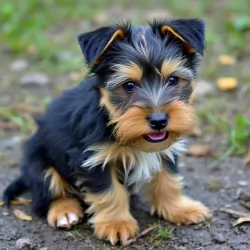 Caring for a Gully Terrier is straightforward but requires attention to their exercise, grooming, and training needs:
Gully Terriers are energetic and need daily exercise. Regular walks, runs, or play sessions will keep them happy and healthy.
They are smart and need activities that challenge their minds, like puzzle toys or training sessions.
Their short coat requires minimal care. Brush them once or twice a week and clean their ears regularly to prevent infections. Trim nails as needed.
Gully Terriers can be a bit independent, so start training early with positive reinforcement. Socialize them with people and other animals to avoid territorial behavior.
Feed them a balanced diet and control their portions to avoid weight gain. Regular vet check-ups will help keep them healthy.
Your Galego is a lean, muscular dog, and he wants lots of exercise. He won’t be content with just a walk every day, but will want ball and frisbee games or joining in with you as you as you go running or jogging.
To ensure your dog stays as robust and healthy as he is, make sue he gets quality food. If you do opt to feed him a commercially manufactured dog food, make sure it isn’t one of the low quality foods that are filled with bad ingredients and which can actually make your dog sick.
Apart from a high quality dry kibble, provide him with some tasty homemade food too. Boiled chicken, brown rice and pasta, sweet potatoes, carrots and spinach, all chopped up and added into the kibble once in a while will be a wonderful treat for your pet.He will be totally satisfied with this. Try and give him some raw meat occasionally as this helps to stave off irritating skin problems.. Make sure he always has a bowl of fresh, cool water close by.
Make sure his vaccinations are up to date.
Provide him with a dry, warm comfortable place to sleep.
Brush him twice a week. Check inside his ears for infections.Trim his nails and look inside his mouth for bad teeth which can play havoc with his health.
Take him to the vet whenever he is sick.