 MyDogBreeds
 Gully Terrier is originated from India but Sage Koochee is originated from Afghanistan. Gully Terrier may grow 33 cm / 12 inches shorter than Sage Koochee. Gully Terrier may weigh 45 kg / 99 pounds lesser than Sage Koochee. Both Gully Terrier and Sage Koochee has almost same life span. Both Gully Terrier and Sage Koochee has same litter size. Gully Terrier requires Moderate maintenance. But Sage Koochee requires Low maintenance
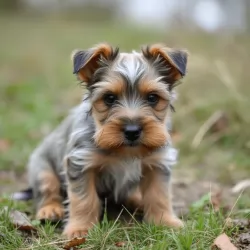 The Gully Terrier originated in India as a street dog, a mix of indigenous Indian Pariah Dogs and bully breeds like Pit Bulls and American Bulldogs.
Developed primarily for protection and hunting, they were used as guard dogs in urban and semi-urban areas. The name "Gully" refers to the narrow alleys and streets where these dogs were often found, while "Bully" highlights their muscular, strong build inherited from bully breeds.
Known for their loyalty, alertness, and protective instincts, Gully Terriers became valued companions for families in need of a strong, resilient dog that could thrive in tough environments.
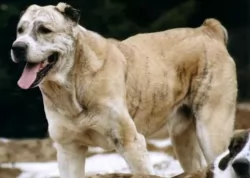 Known also as the Kuchi Dog, the Sage Koochee is a dog that was bred more for his characteristics than his looks. He was bred to be a protector and guardian and named after the Afghan Kochi people.
Referred to as the Kuchi or Sage Kuchi, this working dog has always helped nomads with guarding their caravans and livestock. The dog has genetic resemblance with the Central Asian Ovcharka but isn’t recognized as an official breed by any of the major kennel clubs.
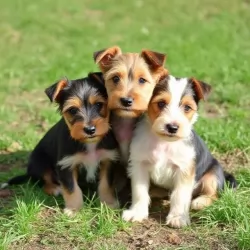 The Gully Terrier is a medium-sized, muscular dog known for its agility, loyalty, and protective nature. With a short, dense coat that comes in various colors, including black, brown, tan, and white, this breed has a distinctive appearance, often with a strong, powerful build.
The Gully Terrier is highly energetic and requires regular exercise to stay happy and healthy. Its intelligent, alert, and sometimes independent nature makes it a great guard dog and companion, although consistent training is necessary to manage its strong-willed personality.
This breed is well-suited for active families or individuals looking for a devoted and protective dog with a loving but protective demeanor.
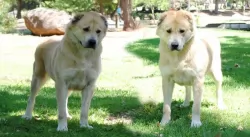
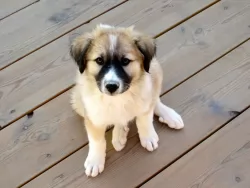 The Sage Koochee is a large molosser dog, although they do vary quite a bit in height. This is because they generally come in 3 varieties.
They can stand at between 58 to 89cm in height and they weigh between 38 to 80kg. This is because this dog is divided into 3 types. The coat of this dog can be short, medium or long, and colors can vary quite a bit as well.
These are moderate, seasonal shedders. Their tails are usually docked to about 1/3 of their length and their ears have been traditionally docked too. They are very territorial and won’t show any tolerance to strangers coming onto the property. He also tends to be aggressive towards other dogs.
These dogs are tough and fierce and also immensely intelligent. Such a dog would have to be trained and socialized or you would land yourself with a strong-willed, disobedient dog.
Once they’ve had training, they are friendly, obedient and affectionate towards their owners, but aren't a good choice for children. They are extremely territorial and make good watchdogs,being prepared to fiercely protect their human family.
The very nature of this dog makes it not suitable for life in the city. It would be terribly frustrated in small spaces and can become aggressive.
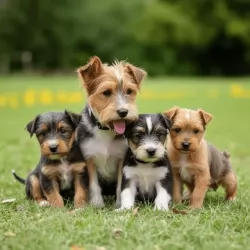 The Gully Terrier is a loyal, energetic, and intelligent breed with a strong, muscular build. Known for their protective nature, they make excellent guard dogs, staying alert and watchful of their surroundings.
While they are friendly and devoted to their family, they can also be independent and sometimes stubborn, requiring consistent training. Their short, dense coat is easy to groom, needing only regular brushing and ear cleaning.
Gully Terriers are active dogs that thrive on daily exercise and mental stimulation, making them great companions for those with an active lifestyle.
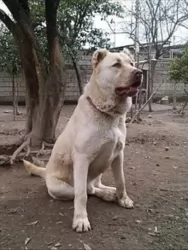 The Kuchi has always been vigilant with guarding livestock, and these tough dogs did the job of guardian and protector extremely well.
They’re hardy too, used to coping with extreme weather conditions, from hot deserts to freezing mountain areas. These dogs are powerful and independent and they are also dangerous.
With good training and socialization they can become loving and loyal, but they require a strong, firm owner, and don’t come as recommended if there are children in the home.
 Like many medium to large-sized dogs, Gully Terriers can be prone to hip dysplasia, a condition where the hip joint doesn't develop properly, leading to arthritis and discomfort.
Due to their floppy or semi-erect ears, Gully Terriers can be more susceptible to ear infections. Regular ear cleaning and checking can help prevent this.
Their short coat can sometimes be prone to skin irritations, especially if they are exposed to harsh weather or poor hygiene. Allergies or parasite infestations (like fleas) can cause skin problems.
Gully Terriers are highly energetic, but they can be prone to obesity if they don't get enough exercise or are overfed. A balanced diet and regular activity are essential.
Some dogs in this breed may experience congenital eye issues like cataracts or progressive retinal atrophy (PRA), which can affect vision.
Regular vet check-ups to monitor joints, ears, and skin Consistent exercise to maintain a healthy weight Proper grooming to reduce risk of skin issues and ear infections
 The Kuchi breed is healthy and doesn’t have any particular health issues. Things to look out for are bloat, skin allergies, cancer and parasites.
Parasites are a common in many dogs. Fleas and ticks are external parasites, but intestinal parasites can be a real nuisance too and endanger your dog’s health.
These parasites live within the dog’s gastrointestinal tract. They can be a host of terrible worms such as roundworm, hookworms and tapeworm among others. The parasites are usually transmitted when the dog ingests contaminated food, soil or even feces.
These parasites can cause endless problems for the dog, from weight loss to diarrhea to vomiting. You will need to get your pet to the vet.
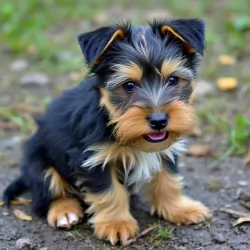 Caring for a Gully Terrier is straightforward but requires attention to their exercise, grooming, and training needs:
Gully Terriers are energetic and need daily exercise. Regular walks, runs, or play sessions will keep them happy and healthy.
They are smart and need activities that challenge their minds, like puzzle toys or training sessions.
Their short coat requires minimal care. Brush them once or twice a week and clean their ears regularly to prevent infections. Trim nails as needed.
Gully Terriers can be a bit independent, so start training early with positive reinforcement. Socialize them with people and other animals to avoid territorial behavior.
Feed them a balanced diet and control their portions to avoid weight gain. Regular vet check-ups will help keep them healthy.
 A nutritious commercially manufactured dog food for large working dogs will be required for this strong, energetic dog. You want to provide it with some variety, so some homemade food added into the dry kibble twice a week will ensure he is healthy and content.
Home-made food such as boiled chicken, brown rice or pasta and spinach, sweet potatoes and carrots all boiled slowly together will delight your pet. You just chop it up and add it to the dry kibble twice a week and your pet will never look back.
For his skin and coat, you can try to add in a little bit of raw meat occasionally.Dogs thrive on simple, consistent meals like this – nothing weird and spicy so as to avoid stomach upsets.
Groom your Kuchi dog by brushing him twice a week and check simultaneously for any lumps you may find on him.
Trim his nails.
Check his eyes and make sure they are clear with no signs of discharge.
Check inside the mouth for rotten or bad teeth as he can’t tell you if one is rotten and causing him tremendous pain and discomfort.
Make sure his vaccines are up to date to avoid life threatening canine diseases.
Provide him with a nice, warm dry place to sleep.
Make sure he has access to shade and sun when he’s outdoors.
Have him or her spayed or neutered to avoid puppies